Proactive plumbing maintenance is one of the most effective and often overlooked strategies for preventing costly, disruptive repairs in your home. By incorporating simple habits and seasonal checks into your routine, you can identify small issues like minor leaks or slow drains before they escalate into major emergencies like burst pipes or sewer backups.
In this guide, we’ll share essential plumbing maintenance tips—from inspecting fixtures and insulating pipes to managing water pressure and scheduling professional inspections—so you can protect your home, save money, and maintain a reliable plumbing system for years to come.
Plumbing Maintenance Tips That Save You From Expensive Repairs
How Can You Prevent Common Plumbing Leaks at Home?

The most effective plumbing maintenance tips focus on catching small problems before they turn into soaked floors or stained ceilings. Most leaks start at predictable spots: pipe joints, faucet seals, appliance hookups, and shutoff valves. These areas wear down over time from movement, mineral buildup, or repeated temperature changes. A simple monthly walk-through can make a big difference. Take a few minutes to look under sinks, around toilets, behind your washing machine, and near the water heater. If you see moisture, corrosion, or white mineral deposits, something is already starting to fail.
Keeping household water pressure in a normal range helps too. Pressure that is consistently too high puts extra stress on fittings and can shorten the life of hoses, valves, and seals. Replacing worn washers, updating old supply lines to braided hoses, and tightening loose connections are small repairs that prevent bigger problems later. These basic plumbing maintenance tips reduce the risk of water damage, mold growth, and expensive repairs to drywall, flooring, and framing. When anything looks more serious than a simple drip, it is safer to call a licensed plumber before the issue spreads.
What Are The Signs Of Household Plumbing Leaks?
Some warning signs are obvious, like standing water under a sink or a steady drip from a faucet. Others are easier to miss but just as important. Discolored spots on ceilings or walls, warped baseboards, bubbling paint, or a musty smell can all signal a hidden leak behind finished surfaces. A water bill that suddenly jumps without a change in use, or the sound of water running when no fixtures are on, often points to a problem in a supply line or in-slab piping.
If you suspect a leak, start by checking visible areas first and watching your water meter when everything is turned off. Take photos of any damage and note dates and locations in case you need to file an insurance claim or compare contractor quotes. In regions with freeze and thaw cycles, small cracks can open up after cold snaps and leak only at certain times, so it is smart to recheck problem spots after very low temperatures. Early response limits structural damage, keeps mold from taking hold, and keeps repair costs more manageable.
Which DIY Leak Detection And Repair Tips Save Money?
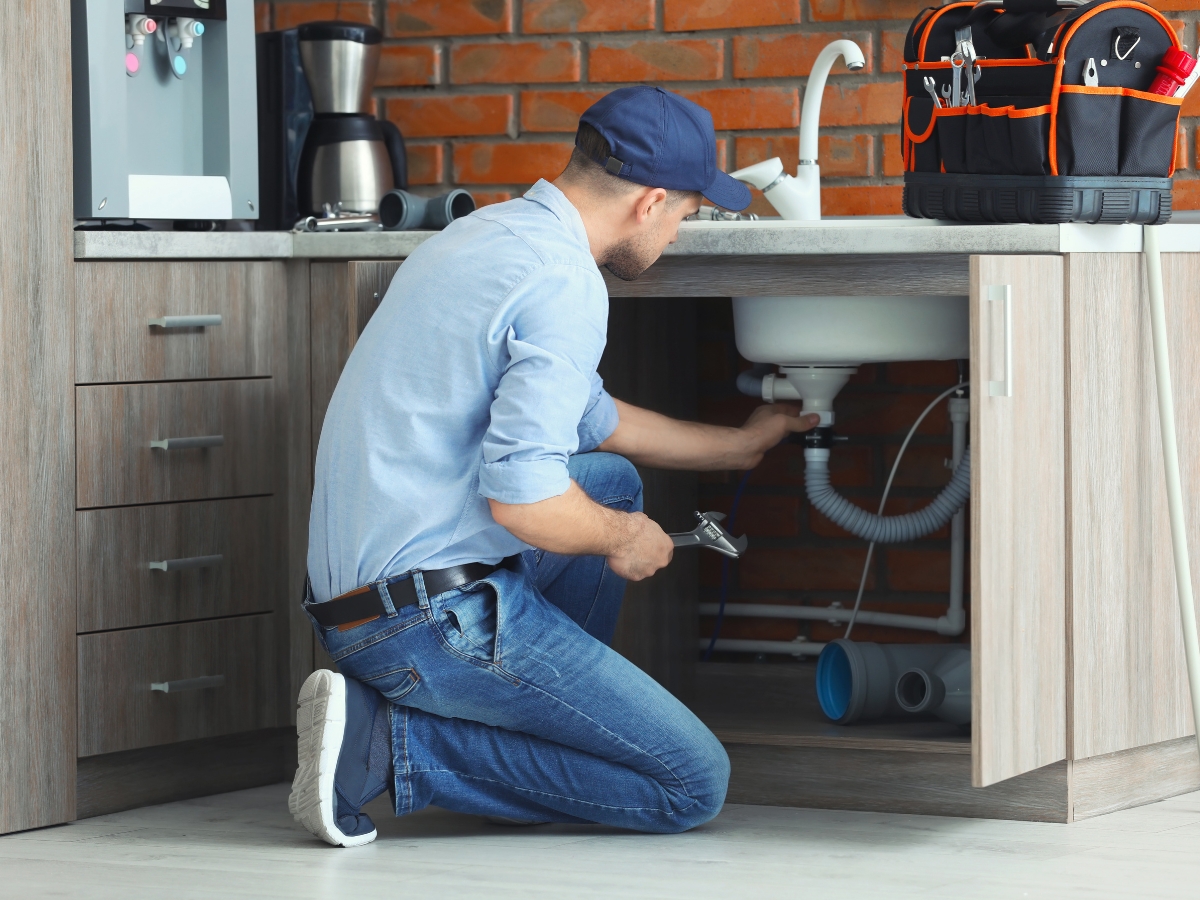
You can handle many basic checks yourself with a flashlight and a little time. Look over exposed pipes for rust, fresh moisture, or chalky mineral buildup that hints at a slow leak. Gently test shutoff valves at sinks and toilets to confirm they still close fully. Inspect washing machine and dishwasher hoses for bulges, cracks, or stiff spots that suggest they are nearing the end of their life. Under sinks and behind toilets, run your hand along the supply lines and traps to feel for dampness that might not yet be visible.
Simple, low-cost fixes can solve a lot of minor issues. Replacing a worn rubber washer, snugging a loose compression nut, or swapping out an aging hose can stop small leaks before they damage cabinets or subflooring. Basic smart leak detectors placed under sinks or near a water heater can send alerts if water is detected, giving you an early warning while you are away from home. These practical plumbing maintenance tips usually take less than an hour to carry out and can save significant money and hassle over time. For anything involving gas lines, sewer mains, slab leaks, or major pipe damage, skip the DIY approach and bring in a licensed professional to keep your home safe and up to code.
What Are the Best Drain and Sewer Line Maintenance Tips to Avoid Clogs?
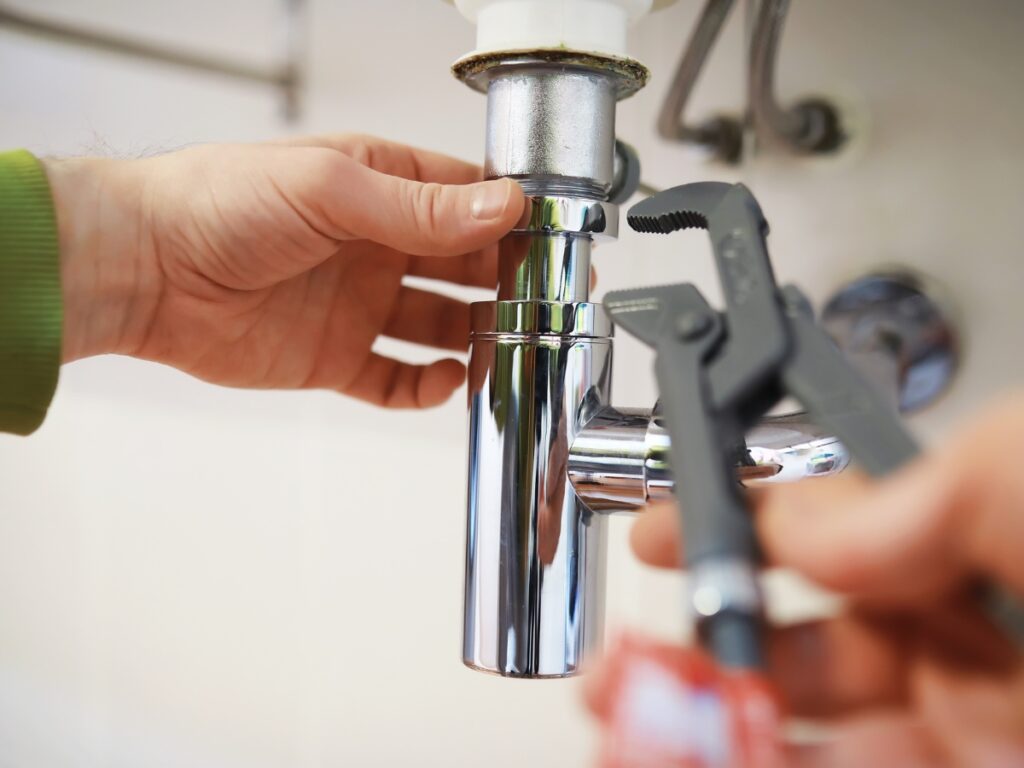
Healthy drains combine good daily habits that stop debris from entering the system with periodic maintenance to remove built‑up organic matter and mineral scale. The most common causes are grease in kitchen sinks, hair in bathroom drains, and tree roots in sewer lines—preventing these inputs is the cheapest way to avoid major sewer work. Routine care keeps water flowing and reduces the need for aggressive cleaning that can harm older pipes. Small clogs are often solvable with safe DIY methods, but recurring blockages, foul odors, or slow drainage across multiple fixtures usually mean a deeper sewer problem and call for a professional camera inspection. Below is a practical schedule to keep drains working well.
How Often Should You Clean Drains to Prevent Blockages?
Different drains need different attention depending on use. Recommended frequencies: kitchen sinks—monthly for grease and food buildup; bathroom sinks and showers—quarterly for hair and soap scum; main sewer lines—annual or every two years, especially if you have trees nearby. Homes with pets, lots of occupants, or heavy cooking should check more often (monthly or even biweekly). If you notice slow drains or bad smells, move to immediate inspection. Regular preventive cleaning lowers the risk of root intrusion and solidified grease that lead to costly sewer repairs.
What Are Effective DIY and Professional Drain Cleaning Methods?
For soft, localized clogs, safe homeowner tools work well: plungers, hand‑crank augers (snakes), and enzyme‑based cleaners for organic buildup avoid pipe damage. Chemical drain cleaners act fast but can harm older or PVC piping and septic systems—use them only as a last resort and with caution. Pros have mechanical augers for stubborn blockages, camera inspection to diagnose roots or collapses, and hydro‑jetting to scour pipe walls. A plumber picks the best method after an inspection to reduce recurrence. Call a pro when multiple fixtures back up, repeated snaking fails, or a camera shows roots, offsets, or structural problems DIY tools can’t fix.
Intro to professional vs DIY drain care table:
| Drain Type | DIY Method | Effectiveness / Risk / When to Call Pro |
|---|---|---|
| Kitchen sink | Plunger, hand auger, hot-water grease flush | Effective for soft clogs; avoid chemicals on old pipes; call pro if recurrence within 2-3 months |
| Bathroom sink/shower | Hair trap, plunger, enzyme cleaner | High effectiveness for hair/soap; use enzyme cleaners monthly; call pro for slow drains in multiple fixtures |
| Main sewer line | N/A for DIY beyond basic snaking | Professional camera inspection and hydro-jetting recommended for root intrusion or recurring backups |
In short: DIY tools handle targeted, soft clogs. For recurring, structural, or root issues, a pro’s inspection and hydro‑jetting are the right move. Good habits and choosing the correct method will reduce disruptive sewer repairs and lengthen pipe life.
How Do You Maintain Your Water Heater to Extend Its Lifespan?

Some of the most effective plumbing maintenance tips focus on your water heater, since it quietly works every day in the background. Good care comes down to three basics: removing sediment, checking the sacrificial anode rod, and keeping temperature and pressure settings within a safe range. Over time, minerals in the water settle at the bottom of a tank and create a layer of sediment. That layer forces the burner or heating elements to work harder, which raises energy use and shortens the life of the unit.
Regular maintenance also protects the tank itself. The anode rod is designed to corrode first so the tank does not, but once that rod is used up, rust can begin to attack the steel. A quick annual inspection lets you replace it before the tank shell is at risk. Pressure and temperature relief valves should also be tested so they can release safely if the system ever overheats. Taken together, these plumbing maintenance tips improve reliability, keep hot water output consistent, and reduce the chances of a sudden breakdown.
Tank and tankless heaters need slightly different care. Traditional tanks benefit most from flushing and anode checks, while tankless units need descaling to keep internal passages clear. Knowing which type you have helps you choose the right routine and maintenance schedule.
What Is The Step-By-Step Process For Annual Water Heater Flushing?
An annual flush is one of the simplest ways to keep a tank-style water heater efficient. Start by turning off the power at the breaker for an electric unit or setting a gas unit to the off position. Close the cold water inlet valve to stop incoming water and give the tank time to cool so you are not working with very hot water.
Next, connect a garden hose to the drain valve near the bottom of the tank and run the hose to a floor drain or outside area where hot water will not cause damage. Open the drain valve and let the water flow out. When the stream begins to slow, briefly open the cold water inlet again to stir up remaining sediment and carry it out through the hose. Continue this process until the water runs clear.
When you are satisfied that most of the sediment is gone, close the drain valve, remove the hose, and fully open the cold water inlet. Open a hot water faucet inside the house to let air escape while the tank refills. Once the faucet runs steadily without sputtering, the tank is full and you can restore power or relight the gas burner. This simple once a year routine improves efficiency and reduces wear on the burner or heating elements.
Different heater types have different needs, so pairing flushing with other checks keeps the system in good shape year after year.
| Water Heater Type | Maintenance Action | Recommended Frequency and Benefit |
|---|---|---|
| Tank (electric/gas) | Drain and flush sediment | Once a year to improve efficiency and reduce burner or element wear |
| Tankless | Descale and clean heat exchanger | Once a year, or every 2 years in moderate hardness, to maintain flow |
| Both types | Inspect anode rod and pressure relief valve | Once a year to limit corrosion risk and protect against overpressure |
If you run into valves that will not close, signs of rust, or unclear water after flushing, it is a good time to involve a licensed plumber for a more thorough inspection.
How Can You Maximize Water Heater Efficiency And Prevent Repairs?
Beyond flushing, small choices add up to better performance and fewer surprises. Setting the thermostat to about 120 degrees Fahrenheit saves energy and lowers scald risk while still providing comfortable hot water. Insulating older tanks and the first few feet of hot water piping cuts heat loss between cycles and lets the heater work less. Installing low-flow fixtures in showers and sinks reduces demand on the system, which can extend its service life.
Pay attention to early warning signs. Popping or rumbling noises often point to heavy sediment buildup. Rusty or discolored hot water can suggest corrosion inside the tank. Sudden temperature swings, especially with a steady demand, may indicate failing elements or controls. Addressing these signals promptly, rather than waiting for a failure, keeps repair costs lower and improves day-to-day comfort.
For tankless units, descaling is especially important in hard water areas, since scale buildup restricts flow and can trigger overheat shutdowns. In those homes, pairing regular descaling with a whole-house softener or conditioner can be a smart long-term investment. Whether you handle some tasks yourself or prefer scheduled professional visits, consistent attention to your water heater is one of the most practical plumbing maintenance tips for protecting both comfort and budget.
How Can You Protect Pipes And Fixtures From Winter Damage In Northwest Georgia?
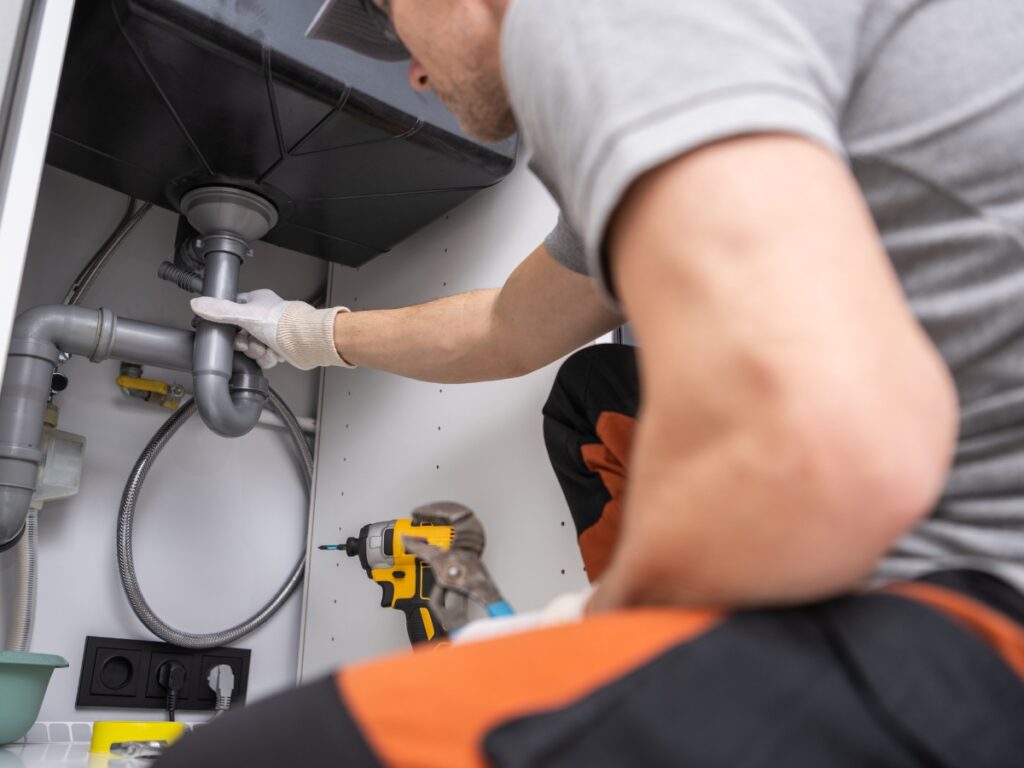
Some of the most practical plumbing maintenance tips for Northwest Georgia focus on winter prep, since even occasional deep freezes can be hard on pipes. The goal is to keep water moving and protected wherever it runs through unconditioned spaces. That usually means insulating exposed lines, winterizing exterior fixtures, and paying attention to irrigation systems before temperatures drop.
Start with the vulnerable areas in your home: basements, crawlspaces, attics, and exterior walls. Insulating exposed supply lines in these locations slows heat loss and helps keep water above freezing, especially at night or when the heat is turned down. It also helps to keep indoor temperatures relatively steady and to open cabinet doors under sinks on very cold nights so warm air can circulate. During extended cold snaps, letting a small, steady trickle run from faucets supplied by exposed piping can reduce the chance of ice forming and pressure building inside the line.
Outdoor fixtures need equal attention. Shutting off and draining exterior hose bibs and irrigation shutoff valves in late fall keeps trapped water from freezing and cracking valves or fittings. These are straightforward plumbing maintenance tips, but they prevent some of the most common winter failures and reduce the likelihood of costly structural repairs that follow frozen burst pipes.
What Are The Best Practices For Insulating Pipes To Prevent Freezing?
When you insulate pipes, match the material to the location. Closed cell foam sleeves are a good fit for straight runs in basements, crawlspaces, and along joists because they are inexpensive, easy to cut, and simple to install. Fiberglass or foam wrap works better around elbows, tees, and irregular shapes where a sleeve will not sit evenly. For lines that are particularly exposed or have frozen in the past, listed electric heat tape can provide gentle, controlled warmth when used according to manufacturer instructions.
Preparation matters. Pipes should be dry and free of loose debris before insulation goes on so moisture does not get trapped against the metal. Joints and seams in sleeves or wraps should be sealed so cold air cannot bypass the insulation. Avoid compressing the material too tightly, since that reduces its insulating value. Pay special attention to runs in attics and exterior walls, where exposure is greatest, and use thicker insulation in those locations.
If you uncover corroded, pitted, or damaged pipe while you are working, treat that as a useful warning sign. At that point, the best plumbing maintenance tips often involve a licensed plumber evaluating whether a section should be replaced rather than covered and forgotten.
How Should Outdoor Faucets Be Winterized To Avoid Bursts?
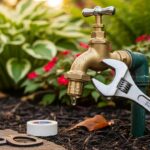
Outdoor faucets and irrigation lines are frequent sources of frozen burst pipes, so a structured winterization routine pays off. Start by locating the interior shutoff valve that feeds each hose bib. Close the valve, then open the exterior faucet to let any remaining water drain out. Once the line is empty, remove any attached hoses, sprinkler heads, or accessories and store them indoors so trapped water cannot freeze and push back into the faucet.
If your home has frost-proof sillcocks, verify that they still operate smoothly and inspect the stems and visible hardware for cracks or signs of past freezing. Adding an insulated faucet cover provides another layer of protection on cold nights. For irrigation systems, use the built-in drain valves or schedule a blowout with a qualified technician so the lateral lines and backflow preventer do not hold water through winter.
As you move through these steps, watch for slow drips at shutoff valves, rust, or obvious cracking around the faucet body. Addressing those issues before a hard freeze is far cheaper than dealing with a split pipe inside a wall. Combined with thoughtful pipe insulation and steady indoor temperatures, these targeted winter plumbing maintenance tips greatly reduce the risk of frozen burst pipes and keep your system ready for the next change in season.
When Should You Schedule Professional Plumbing Inspections to Avoid Costly Repairs?
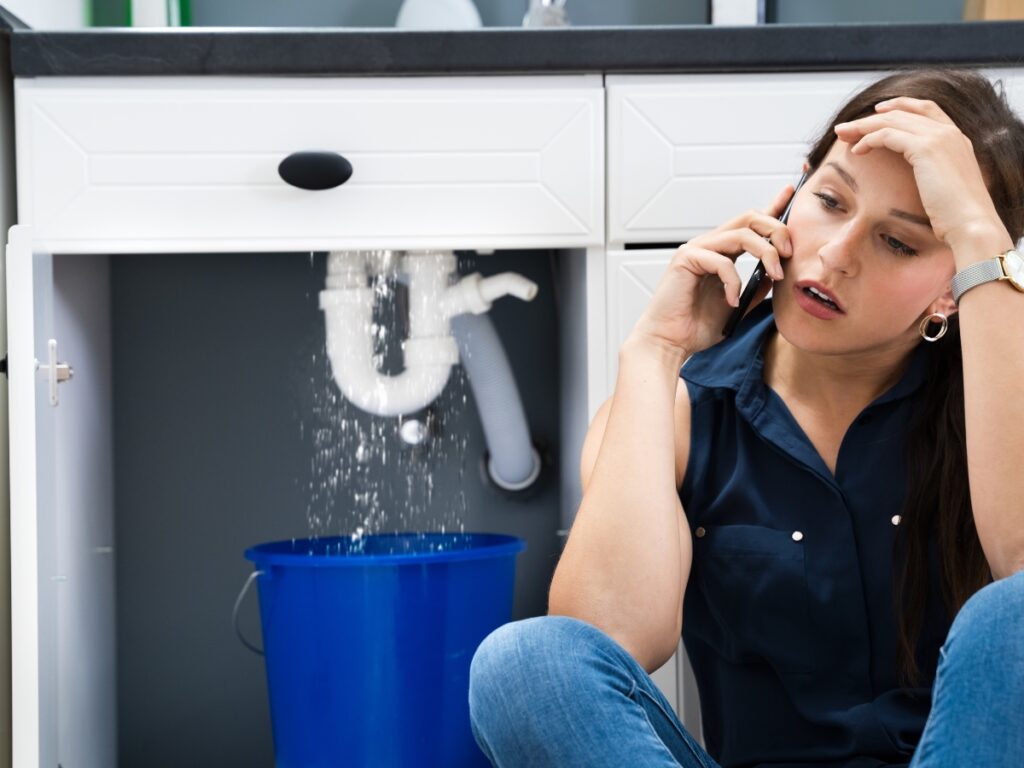
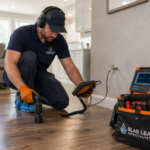
Regular professional inspections create a scheduled checkpoint to find hidden issues—small leaks, failing valves, or early sewer problems—that DIY checks might miss. Professionals use diagnostic tools like pressure gauges, camera inspections, and leak detectors to spot deterioration and recommend repairs or maintenance. Inspections lower emergency repair frequency, keep systems efficient, and provide documentation useful for insurance or real‑estate needs. Timing depends on your situation—annual for most homes, a seasonal check before winter, and inspections after renovations or major weather events—so establish a predictable cadence to protect your budget and your home.
| Inspection Type | What It Checks | Recommended Frequency / Typical Cost Range |
|---|---|---|
| Whole-house plumbing check | Fixtures, visible pipes, water pressure, water heater | Annually; cost varies by scope |
| Sewer line camera inspection | Main sewer line condition, roots, blockages | Every 2–3 years or on recurring backups; moderate cost |
| Post-renovation or pre-sale inspection | New connections, code compliance, visible leaks | As needed; variable cost depending on scope |
What Are the Benefits of Regular Expert Plumbing Check-Ups?
Routine expert check‑ups catch hidden leaks and inefficiencies early, extend equipment life by spotting worn parts before failure, and keep systems running efficiently to save water and energy. Inspections also document system condition, which helps with warranties, insurance, and maintaining home value. A pro might find a failing pressure relief valve, a corroded joint, or a near‑failing pump—issues homeowners often miss until failure. Over time, fewer emergencies mean lower lifetime plumbing costs and a more predictable maintenance budget.
How Do You Recognize Plumbing Issues That Require a Plumber?
Call a licensed plumber for repeated clogs across multiple fixtures, sewage odors or backups, visible water contamination, signs of structural water damage, or gas‑line issues tied to water heaters. Emergency situations include major flooding, suspected sewer gas, or uncontrolled leaks where the shutoff won’t stop the flow—these need immediate professional attention. For less urgent cases, persistent problems after DIY attempts (for example, a running toilet after replacing the flapper) also warrant a pro. When you call, share photos, meter readings, and the DIY steps you tried to speed diagnosis and repair.
For Northwest Georgia homeowners who want an inspection or need fast help, JW Plumbing Pros provides residential plumbing inspections and repairs in cities like Kennesaw, Marietta, and Woodstock. JW Plumbing Pros offers fast, reliable service at fair prices from licensed, insured residential specialists—services include camera sewer inspections, water‑heater tune‑ups, and full system checks to help prevent costly repairs. A professional inspection is especially valuable after severe weather, renovations, or when warning signs appear and you want documented recommendations from an expert.
What Are Essential Fixture Maintenance Tips for Toilets, Faucets, and Showerheads?
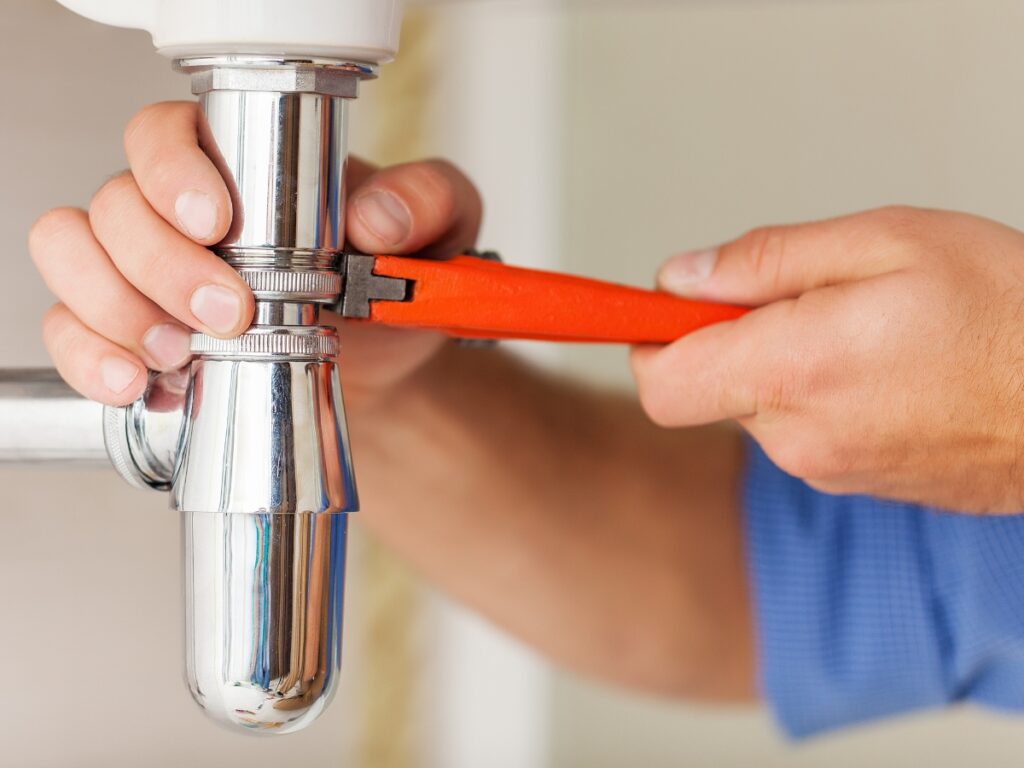
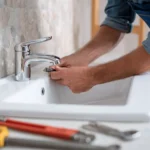
Routine fixture care keeps toilets, faucets, and showerheads working smoothly and prevents small problems from becoming big headaches. Simple tasks—checking toilet flappers, adjusting fill valves, cleaning faucet aerators, and descaling showerheads—restore performance and reduce water waste. These fixes address the common mechanical or mineral issues that cause running toilets or persistent drips, and they’re far cheaper than full fixture replacements. A quarterly fixture routine keeps things working and highlights when replacement by a professional is the better option.
How Can You Prevent Toilet Leaks and Running Water Problems?
Running toilets usually come from worn flappers, misadjusted fill valves, or overflow tubes set too low. Diagnose by watching the tank when the toilet is idle and listening for continuous flow. Replacing a rubber flapper or adjusting the float usually restores the seal and stops water waste; these parts are inexpensive and homeowner‑replaceable with basic tools. If leaks persist after parts replacement, involve multiple fixtures, or appear at the tank‑to‑bowl bolts, a pro should assess the issue—these signs can mean warped tanks or supply‑line problems. Fixing toilets early saves water and avoids gradual increases in utility bills.
What Are Simple Care Tips for Faucets and Showerheads to Ensure Longevity?
Keep faucet aerators clean and replace worn cartridges or O‑rings when drips start. Avoid harsh chemicals that damage finishes and seals. For showerheads, soak in a vinegar solution to remove scale and check for uneven spray patterns that indicate internal clogging. Upgrading to water‑efficient fixtures lowers demand on your water heater and plumbing and often improves performance. Gentle, regular maintenance keeps fixtures reliable and reduces the chance of emergency repairs—consider a water softener if mineral buildup is a recurring issue.
Quick fixture maintenance checklist:
- Clean faucet aerators and screen filters quarterly to maintain flow and pressure.
- Inspect toilet flappers and fill valves every six months and replace worn components.
- Descale showerheads annually or as flow declines to prevent clogging.
- Replace damaged supply hoses and seals when leaks or bulging appear.
These routine checks lower the frequency of disruptive repairs and help you spot problems that need a licensed plumber. JW Plumbing Pros handles repair and installation for toilets, faucets, drain cleaning, and water‑heater work across Northwest Georgia neighborhoods. Their strengths—fast, reliable service; fair pricing; and licensed, insured residential specialists—make them a solid choice when DIY maintenance finds issues beyond simple part swaps or when you want professional assurance. Balance the cost of a pro against potential damage and the value of code‑compliant, documented repairs.
For immediate service or to schedule an inspection, homeowners in the service area can contact JW Plumbing Pros for appointments, inspections, and emergency repairs. The company focuses on residential plumbing repair, water‑line repair, water‑heater installation and repair, drain cleaning, and toilet repair and installation. Choosing a licensed, insured residential specialist helps ensure repairs meet local codes and reduces the chance of repeat problems.
Frequently Asked Questions
What are the common causes of plumbing issues in homes?
Most plumbing problems come from aging pipes, poor installation, or lack of maintenance. Corrosion, mineral buildup, and tree‑root intrusion also create leaks and clogs. Household habits—flushing non‑flushable items or pouring grease down sinks—make matters worse. Regular inspections and basic upkeep catch these problems early and prevent costly repairs.
How can I tell if my water heater needs maintenance?
Watch for inconsistent hot water, popping or rumbling noises, rusty or discolored water, reduced hot‑water supply, or leaks around the unit. These signs mean it’s time for maintenance. Regular flushing and anode‑rod checks help prevent sediment buildup and extend the heater’s life. If you see these symptoms, consider a professional check‑up.
What should I do if I notice a sewage smell in my home?
A sewage odor can signal a serious issue like a broken sewer line or a dry trap. First, look for visible leaks or standing water. If the smell stays, contact a licensed plumber right away—sewer gas is a health risk and can cause more damage if left unaddressed. A pro will inspect and recommend repairs to restore safety and comfort.
How can I improve my home’s water pressure?
Start by checking for leaks—those lower pressure. Clean faucet aerators and showerheads to remove mineral buildup. If that doesn’t help, a pressure regulator or a professional assessment of the main supply line may be needed. Regular maintenance helps keep pressure steady and reliable.
What are the benefits of installing a water softener?
A water softener reduces mineral buildup in pipes and appliances, extending their life and improving efficiency. Soft water makes soaps and detergents work better, keeps dishes and laundry cleaner, and is gentler on skin and hair. Over time, a softener can save money on repairs and improve everyday comfort.
When is the best time to schedule plumbing inspections?
Schedule inspections at least once a year. Also consider one before winter to prepare pipes for cold weather, after major renovations, or after severe storms. Regular inspections help catch issues early and save you from costly emergency repairs.
What should I do if my plumbing system is outdated?
If your plumbing is old, evaluate its condition and plan upgrades. Look for leaks, low pressure, or frequent clogs. Replacing old lines with modern materials like PEX or PVC, and switching to water‑efficient fixtures, improves reliability and lowers bills. A licensed plumber can recommend the best upgrades and help you prioritize work.
Conclusion
A little proactive plumbing maintenance can save you from a lot of costly headaches down the line. By incorporating these simple habits—like monitoring water pressure and insulating pipes—you can protect your home from unexpected leaks, clogs, and water damage. For a comprehensive check-up and expert care, trust the professionals at JW Plumbing Pros. Our licensed technicians provide thorough inspections and maintenance to keep your entire system running smoothly. Don’t wait for a small drip to become a flood. Call 770-635-5159 or fill out our online form for a free quote today to schedule your preventative maintenance. Invest in peace of mind, not expensive repairs.