



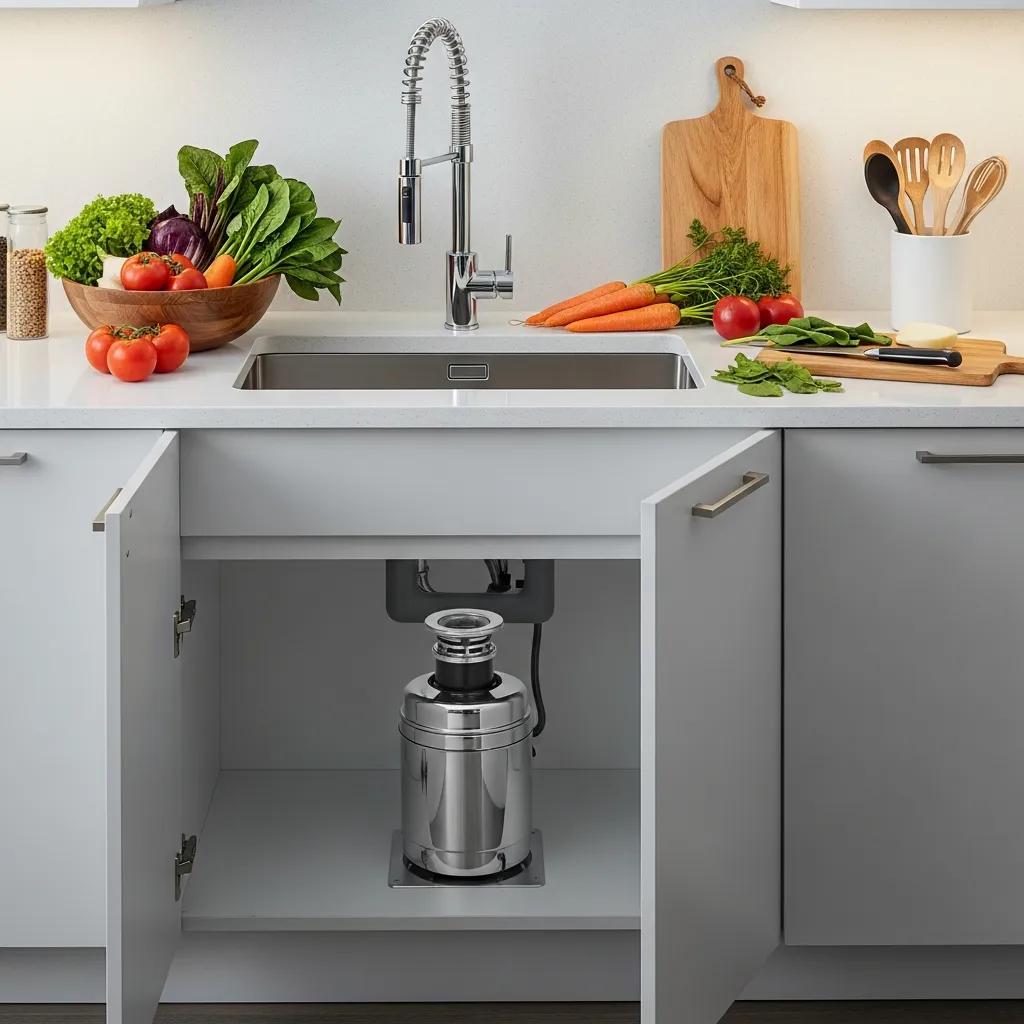
A malfunctioning garbage disposal can quickly disrupt your kitchen routine, leading to unpleasant odors, drainage issues, and potential plumbing damage if not addressed promptly. Whether facing a stubborn jam, persistent leaks, or complete unit failure, professional garbage disposal repair and replacement services restore functionality and prevent further complications.
This guide explores common disposal problems, the benefits of expert service, and key considerations for deciding between repairing your existing unit or investing in a newer, more efficient model.
What to Expect From Garbage Disposal Repair & Replacement Services
What Are the Most Common Garbage Disposal Problems We Repair?
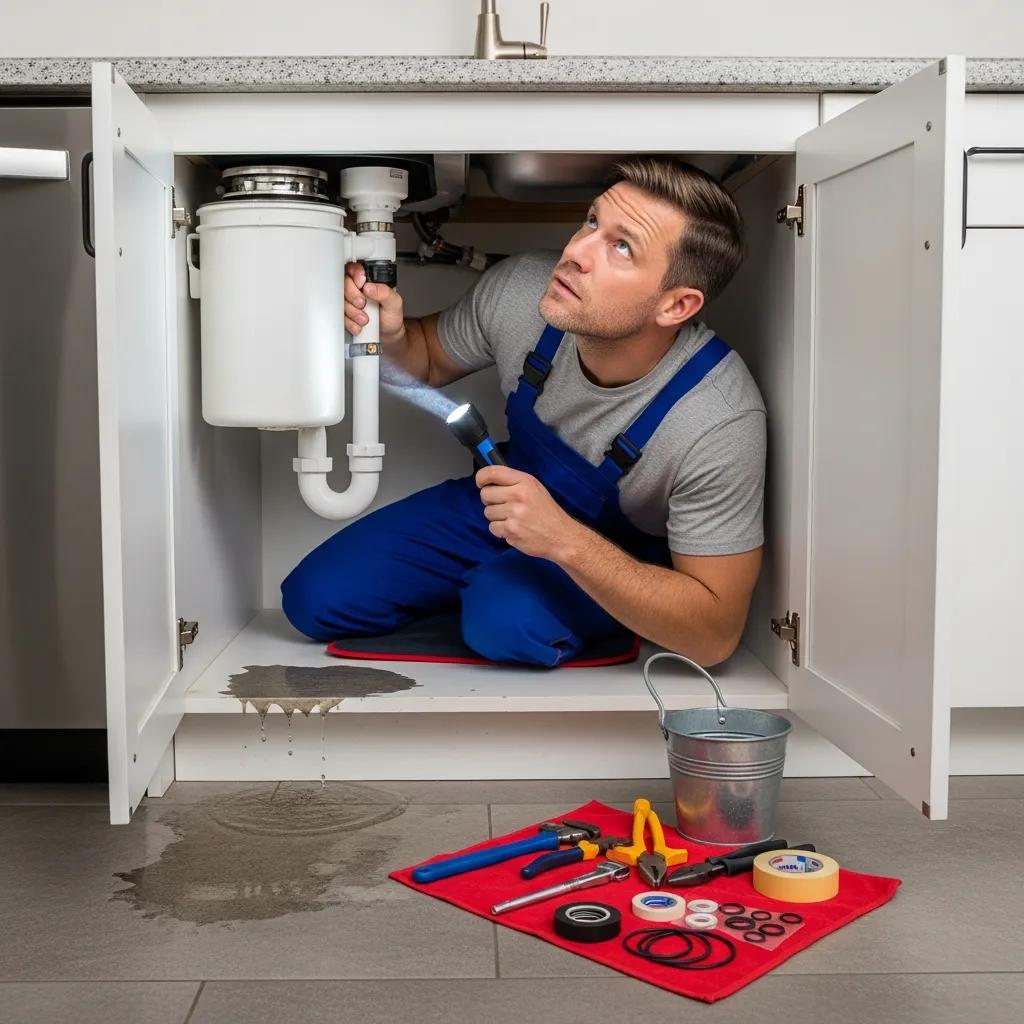
A garbage disposal is built to handle everyday food scraps, but it is not indestructible. Over time, normal use can lead to issues like jams, leaks, strange noises, or a unit that will not turn on at all. When a garbage disposal stops working the way it should, the biggest mistake homeowners make is forcing it to run anyway. That can damage internal components, trip electrical protections, or turn a small clog into a bigger plumbing problem. Knowing what the most common problems look like can help you troubleshoot safely and decide when a repair makes sense.
Most garbage disposal problems fall into a few predictable categories. Jams usually happen when something hard gets caught between the grinding components. Leaks often come from worn seals or loose connections that have shifted over time.
Power failures can be as simple as a tripped reset button or as complicated as an electrical issue that needs professional attention. The key is to move slowly and avoid sticking your hand into the unit, even when it is off.
How Do You Fix A Jammed Or Stuck Garbage Disposal?
A jammed garbage disposal is one of the most common service calls, and it is often caused by a small item that the unit was not designed to grind. Bones, fruit pits, utensils, and even thick vegetable peels can stop the grinding plate from moving. When that happens, the motor may hum, shut off, or trip the internal reset.
Start by turning off the power to the disposal at the switch. For added safety, shut it off at the breaker as well. Then look into the drain opening with a flashlight to check for visible obstructions. If you can see something lodged in the unit, use tongs or pliers to remove it. Avoid using your hands, even if the disposal is off.
If the disposal still will not turn, press the reset button, which is typically located on the bottom of the unit. If it continues to stay stuck, use the hex wrench that many units include. Insert it into the slot underneath the disposal and rotate it back and forth to free the motor shaft.
Once the grinding plate moves again, restore power and run cold water while testing the unit. If the disposal jams repeatedly, it may point to dull grinding components, a buildup issue, or habits that are overloading the unit.
What Causes Garbage Disposal Leaks And How Are They Repaired?
A leaking garbage disposal can come from a few different places, so the first step is identifying where the water is showing up. Some leaks appear at the top where the disposal connects to the sink flange. Others occur at the dishwasher inlet, the drain connection, or the body of the unit itself. Pinpointing the source matters because the fix depends on the location.
If the leak is coming from a connection point, the solution may be as simple as tightening a clamp or re-securing a fitting. Over time, vibration and regular use can loosen connections, especially if the disposal has been used heavily. If the leak is coming from the sink flange or mounting assembly, the seal may need to be re-seated or replaced. Worn seals are common as units age, and they can cause slow drips that worsen over time.
If the disposal body is cracked or leaking from the bottom, repair is usually not the best option. Internal leaks often mean the unit is failing, and replacement becomes the safer, more reliable path. A professional can confirm whether the leak is coming from a seal, a connection, or a failing unit and help prevent water damage under the sink.
Understanding how a garbage disposal fails makes it easier to respond quickly. The sooner you address a jam or leak, the better chance you have of avoiding bigger plumbing or electrical issues.
When Should You Choose Garbage Disposal Repair Vs. Replacement?
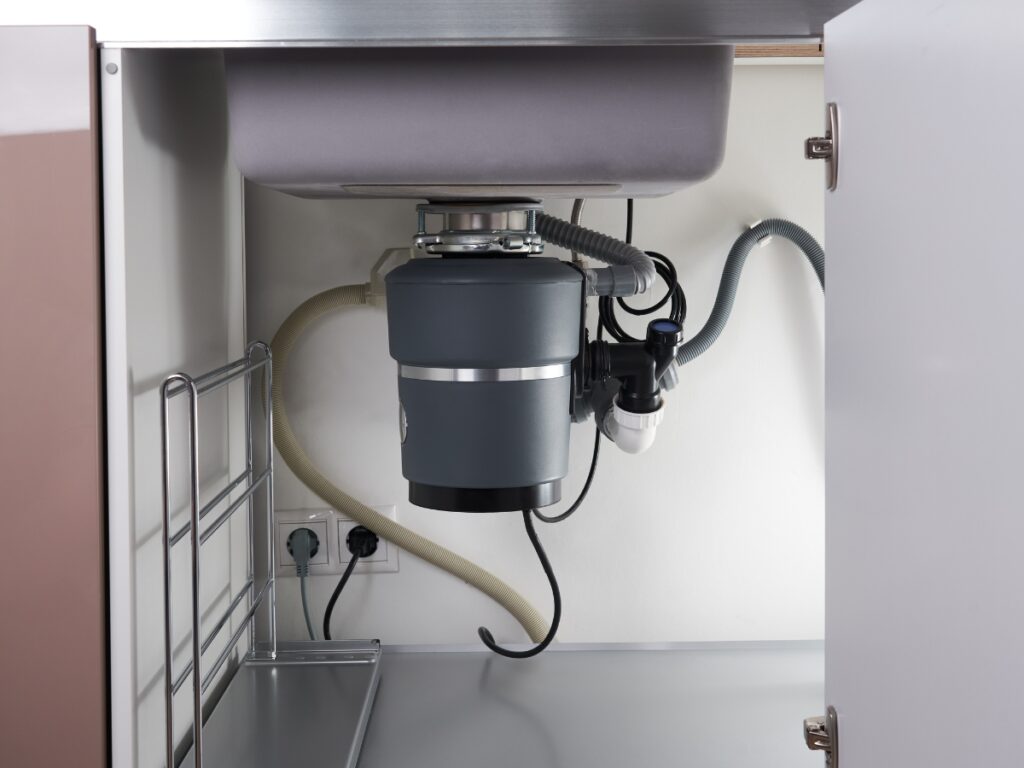
When a garbage disposal starts acting up, it is not always obvious whether a quick fix will solve the problem or whether the unit is nearing the end of its life. The best choice usually depends on how old the disposal is, what kind of failure you are dealing with, and whether the issue is likely to return. A simple jam or loose connection may be worth repairing, especially if the unit has been reliable up to this point. On the other hand, repeated breakdowns or signs of internal damage often mean replacement is the smarter move.
A good rule of thumb is to think about reliability, not just the current symptom. If your garbage disposal has been failing more often, making louder noises, or struggling with scraps it used to handle easily, the internal components may be worn. In those situations, repairs can become a cycle. You solve one problem, then another shows up a few weeks later. Replacement can be more cost-effective when it stops that cycle and restores consistent performance.
What Are The Signs That Indicate Replacement Is Necessary?
Certain warning signs point toward replacement rather than repair. Frequent repairs are one of the clearest indicators. If you have had multiple service visits in a short period, the unit is likely aging out or developing internal issues that will continue. A disposal that constantly trips the reset button, jams easily, or leaks repeatedly is often telling you it is worn beyond a simple fix.
Age also matters. Most disposals last about eight to ten years with typical use, and units near or past that range are more likely to develop problems that are not worth repairing. If your disposal is older and you are starting to see performance decline, replacement may prevent a sudden failure that leaves you without a working sink during a busy week.
Performance issues are another clue. If the garbage disposal hums but will not grind, grinds very slowly, or makes sharp rattling, grinding, or screeching sounds, something may be damaged internally. Strange noises can come from a foreign object caught in the unit, but if that has been ruled out and the noise persists, the motor or grinding components may be failing. Persistent leaks can also be a dealbreaker, especially if water is coming from the body of the unit or from underneath, which often indicates cracking or internal seal failure.
How Does Repair Cost Compare To Replacement Cost?
Cost is usually the deciding factor, but it helps to look at the full picture. Minor garbage disposal repairs often fall in the range of one hundred to three hundred dollars, depending on what needs to be adjusted or replaced. Common repairs include clearing a jam, resetting the unit, tightening fittings, or replacing certain seals. These repairs can make sense when the unit is newer, and the rest of the disposal is in good shape.
Replacement costs can vary widely depending on the model and installation complexity. A new garbage disposal can cost roughly one hundred twenty to six hundred dollars, with installation included. While that can feel like a bigger expense upfront, a new unit can offer better reliability and fewer breakdowns, which matters if you have already spent money on repairs. In many homes, replacement also reduces the risk of leaks or sudden failures that can cause cabinet damage and additional plumbing costs.
The decision is often easiest when you compare the repair cost to the age and condition of the unit. If a repair is inexpensive and the disposal is relatively new, fixing it is usually reasonable. If the repair is costly, the disposal is older, or problems keep returning, replacement is often the better long-term choice for a dependable garbage disposal.
What Types Of Garbage Disposal Installation Services Do We Offer?
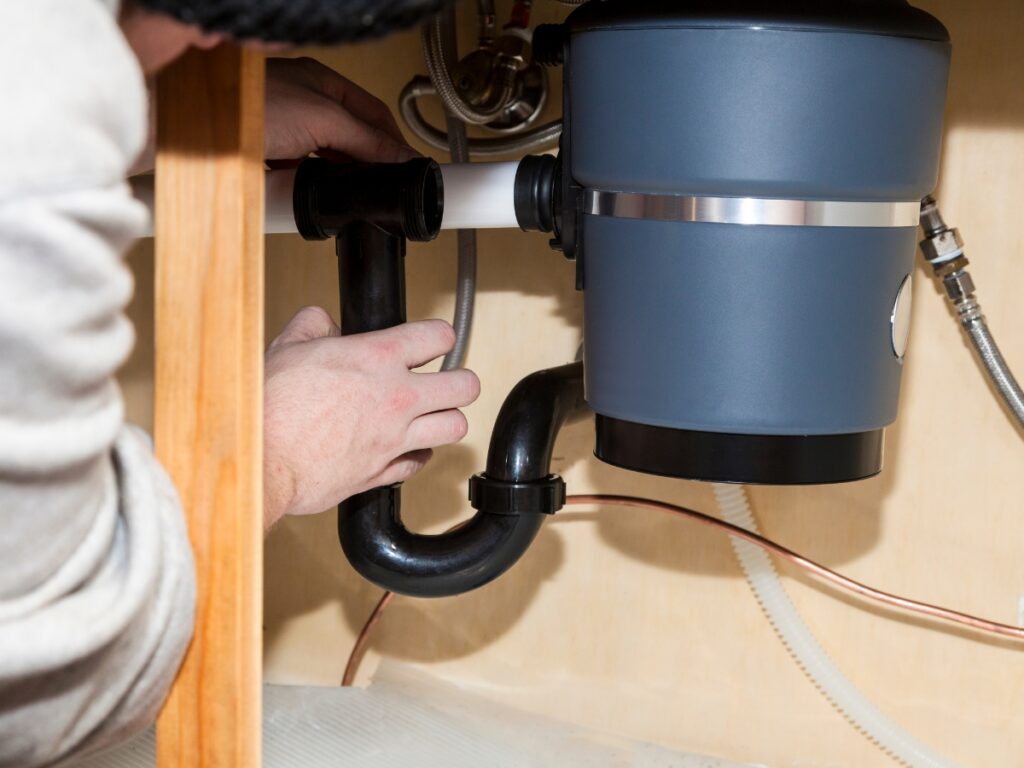
A new garbage disposal can make everyday kitchen cleanup easier, but the right setup depends on how your household cooks and how your sink plumbing is configured. At JW Plumbing Pros, garbage disposal installation is approached as a practical upgrade, not a one-size-fits-all swap. The goal is to match the unit to the kitchen’s needs, install it correctly, and make sure it runs quietly, drains properly, and works safely with the rest of the sink system.
Installation often involves more than bolting a disposal in place. A proper fit requires secure mounting, tight connections, and correct alignment with the drain line. If the disposal connects to a dishwasher, that hookup needs to be handled correctly as well. Electrical requirements also matter. Some units plug into an outlet, while others may be hardwired, depending on the existing setup. These details impact performance and reduce the risk of leaks or early failure, which is why professional installation can be a smart choice when upgrading a garbage disposal.
What Are The Differences Between Continuous Feed And Batch Feed Disposals?
Most homeowners choose between continuous feed and batch feed units. A continuous feed garbage disposal runs while the switch is on, which means you can add scraps as you go. This style is popular in busy kitchens because it keeps the process moving, especially during meal prep or cleanup. It is simple, familiar, and convenient when used with good habits, such as running cold water and avoiding items that cause jams.
Batch feed disposals work differently. They require you to load food waste into the chamber and place a cover over the opening before the unit will turn on. That added step is the main appeal. Because it cannot run unless the cover is in place, some homeowners prefer batch feed models for the extra safety factor, especially in households with kids. Batch feed units can also help limit what goes into the disposal since the opening stays covered during operation.
Both types can work well. The best choice usually depends on how you use your kitchen. If convenience is the top priority, continuous feed may be the better fit. If you prefer a more controlled process, batch feed may feel like a safer and cleaner option.
How Do Horsepower Ratings Affect Garbage Disposal Performance?
Horsepower is one of the biggest factors in how a garbage disposal performs. In simple terms, more horsepower generally means the motor can grind tougher scraps more easily and handle a higher volume without straining. Most residential disposals range from one-third horsepower up to one horsepower. Lower-horsepower units are often fine for light use, but they can struggle if the household cooks frequently or sends heavier scraps down the drain.
For many homes, a half-horsepower garbage disposal is a solid middle option. It typically provides enough grinding power for everyday food waste without being oversized for the job. Households that cook often, entertain regularly, or deal with more fibrous scraps may prefer three-quarter-horsepower or one-horsepower units, since these models tend to run smoother and jam less when used properly.
It is also worth remembering that horsepower is only part of performance. Installation quality, how the unit is used, and what goes into it all affect reliability. The right garbage disposal is the one that matches your cooking habits and keeps the sink flowing without constant resets, drain clogs, or noise. When the unit is sized correctly and installed properly, it usually performs better and lasts longer.
Why Choose JW Plumbing Pros For Garbage Disposal Services In Northwest Georgia?
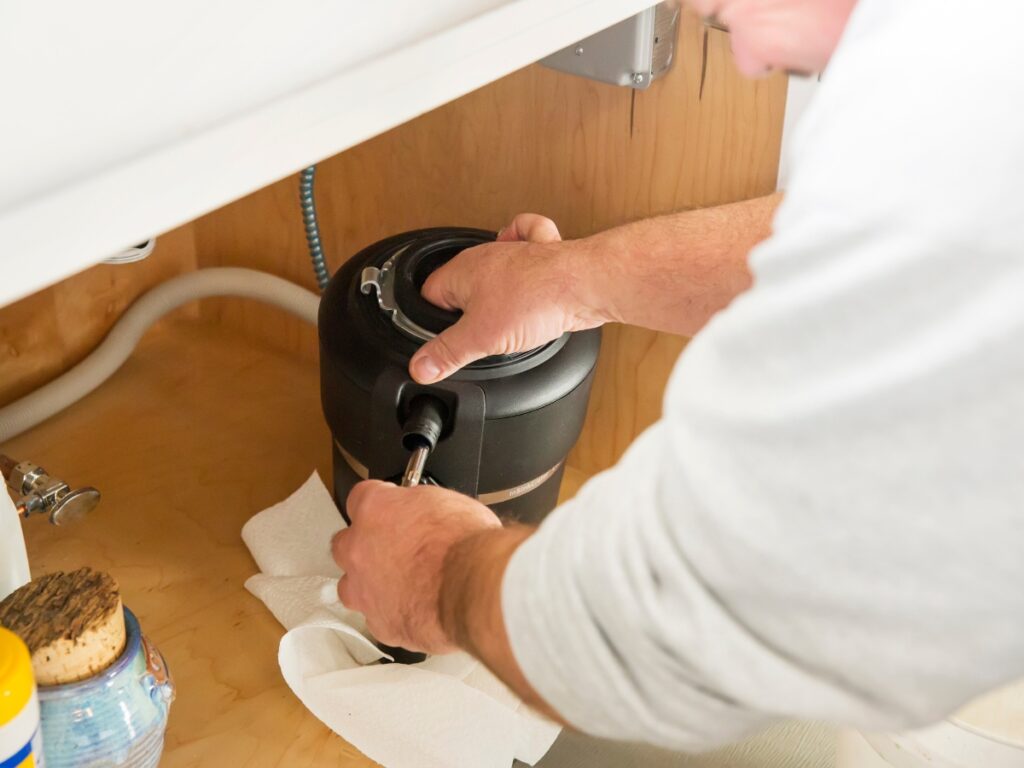
When a garbage disposal stops working, it rarely happens at a convenient time. The sink backs up, the kitchen starts to smell, and cleanup becomes a headache. In those moments, what homeowners usually want is simple: a clear answer, a safe fix, and a solution that holds up. JW Plumbing Pros focuses on practical garbage disposal service that keeps your kitchen running without turning the job into a bigger production than it needs to be.
A garbage disposal is tied into plumbing, electrical components, and the way the sink drains. That is why repairs and installations should be handled carefully. A disposal that is installed incorrectly can leak under the sink, loosen over time, or strain the drain line, which can lead to clogs. A disposal that is repaired incorrectly can keep jamming, keep tripping, or mask a deeper issue in the drain or dishwasher connection. JW Plumbing Pros takes a straightforward approach by identifying the real cause first, then addressing it with the right repair or replacement strategy.
Homeowners in Northwest Georgia also deal with a range of kitchen setups, from older plumbing configurations to newer remodels. A one-size solution does not always work. JW Plumbing Pros services are designed to fit the actual conditions in the home, whether that means correcting a connection that has started dripping, replacing a worn mounting assembly, or installing a new garbage disposal that matches how the household uses the kitchen.
How Do Our Fast, Reliable, And Affordable Services Benefit Homeowners?
Speed matters, but reliability matters more. A quick fix is not helpful if the garbage disposal fails again a week later. JW Plumbing Pros works to restore function and reduce repeat issues by addressing common causes like worn seals, loose fittings, persistent jams, and draining problems that contribute to backups. When the problem is more than the disposal itself, such as a clog deeper in the water line or a dishwasher drain connection issue, the goal is to catch that early instead of treating symptoms.
Affordability is also about avoiding unnecessary work. Homeowners should not have to pay for replacements when a repair would solve the issue, and they should not have to keep paying for repairs when the unit is clearly worn out. A practical service approach helps homeowners understand whether the garbage disposal is still a good candidate for repair or whether replacement will be the more dependable choice. That kind of clarity saves money over time and reduces frustration.
What Makes Our Licensed And Insured Team The Top Choice?
A licensed and insured team matters because garbage disposal work involves both plumbing and electrical safety. Under-sink leaks can damage cabinets and flooring. Loose or incorrect wiring can create hazards. Improper mounting can lead to vibration, noise, and early failure. JW Plumbing Pros focuses on doing the job correctly so the disposal is secure, the connections are tight, and the sink drains the way it should.
Professional training also helps with troubleshooting. Many disposal problems look similar on the surface, but the causes vary. A unit that hums might be jammed, overheated, or failing internally. A slow drain might be a disposal issue, or it might be a line restriction further down. A leak might be from the sink flange, a drain connection, or the body of the unit itself. JW Plumbing Pros works through those possibilities to identify what is actually happening, then recommends a solution that fits the condition of the system.
If you want garbage disposal service in Northwest Georgia that is focused on clear solutions and dependable results, JW Plumbing Pros offers the kind of practical support that helps you get back to a normal kitchen routine quickly and safely.
Why Trust JW Plumbing Pros for Garbage Disposal in Northwest Georgia?
A garbage disposal can last for years when it is used correctly and kept reasonably clean. Most problems that shorten a disposal’s life come from two things: buildup that turns into odors and clogs, or putting the wrong items into the unit. The good news is that a few consistent habits can reduce both issues and help your garbage disposal run smoother, quieter, and longer.
One of the simplest maintenance habits is running cold water every time you use the disposal. Cold water helps solidify fats so they are less likely to coat the inside of the drain line, and it also helps push ground food particles through the plumbing. Let the water run for a short time after the disposal stops to help clear the water line. This small step is often the difference between a disposal that drains well and one that develops slow, smelly buildup over time.
It also helps to use the disposal regularly, even if you do not cook often. When a unit sits unused for long stretches, leftover residue can dry out inside, which leads to odor and makes it easier for debris to stick the next time you run it. Regular use combined with good rinsing keeps the grinding chamber cleaner.
What Are Expert Tips For Cleaning And Preventing Odors?
Odors usually come from food residue stuck under the splash guard, along the inside wall of the grinding chamber, or in the drain line just past the disposal. The key is cleaning both the unit and the area around it, not just masking the smell.
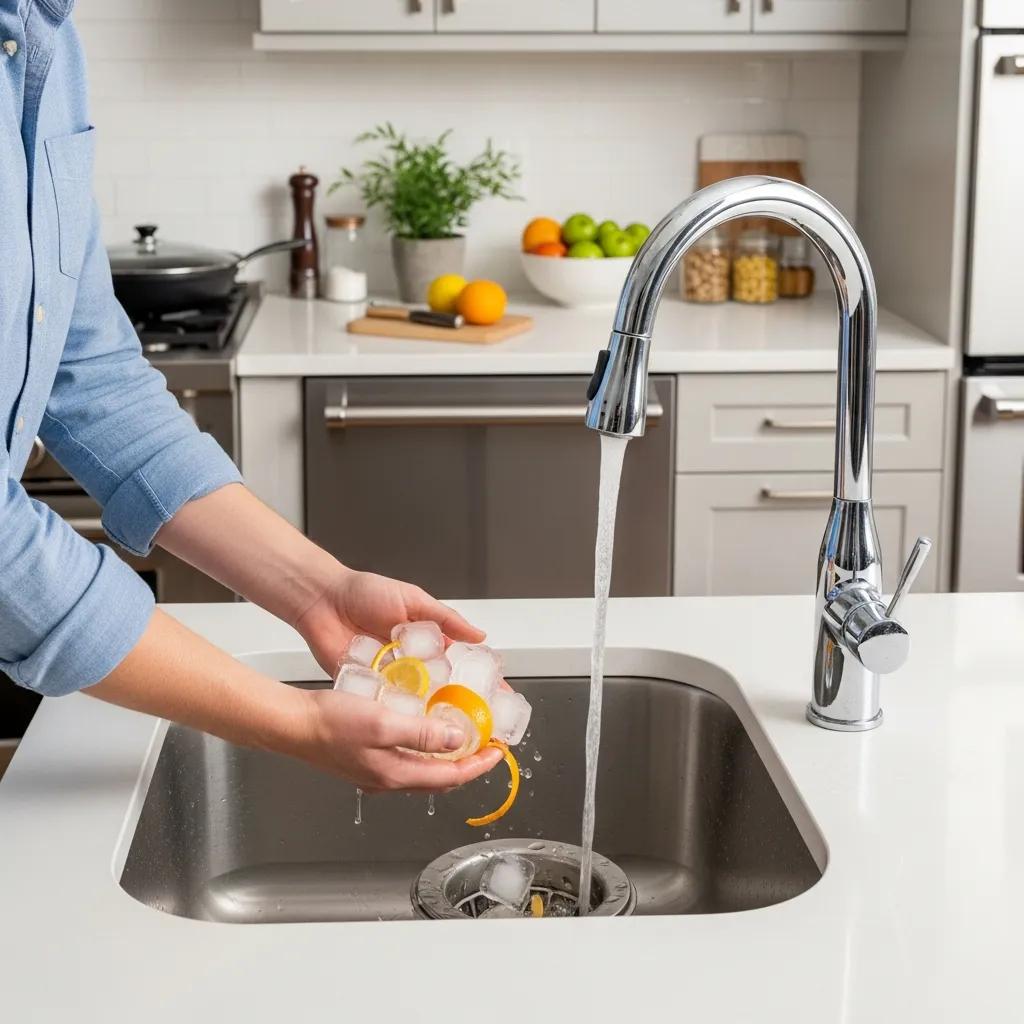
A practical monthly routine starts with cold water and ice. Drop a handful of ice cubes into the garbage disposal and run it with cold water. The ice helps knock loose residue on the inside without using harsh chemicals. If you want a fresher scent, you can add a few small citrus peels, but keep portions modest so you do not overload the unit with fibrous rinds.
For deeper odor control, baking soda and vinegar can help loosen buildup. Sprinkle baking soda into the disposal, then add vinegar and let it fizz for a few minutes before flushing with hot water from the sink. This approach can freshen the disposal and reduce lingering smells, especially when combined with cleaning the rubber splash guard. Many odors cling to the underside of that guard, so wiping it down with a sponge and warm, soapy water can make a noticeable difference.
What Should You Avoid Putting Down Your Garbage Disposal?
Even a strong garbage disposal is not meant to grind everything. The most common cause of jams and clogs is fibrous food. Celery, corn husks, onion skins, and similar scraps can wrap around moving parts and prevent the unit from turning freely. Starchy foods are another problem because they expand and turn gummy. Large amounts of pasta, rice, potato peels, or oatmeal can thicken in the drain line and contribute to backups.
Grease and oil should also stay out of the disposal. Even if they go down as liquid, they can cool and solidify in the plumbing, trapping other debris and narrowing the pipe over time. Coffee grounds are another common offender. They do not break down the way people expect, and they can settle into a heavy sludge in the drain line.
Hard objects are risky as well. Bones, fruit pits, shells, and other dense items can damage the grinding components or strain the motor. When in doubt, treat your garbage disposal like a helper for small scraps, not a replacement for the trash can. With smarter habits and simple cleaning, a garbage disposal is more likely to stay reliable and avoid the issues that lead to early replacement. costly repairs.
What Are The Typical Costs And Factors Influencing Garbage Disposal Repair And Replacement?
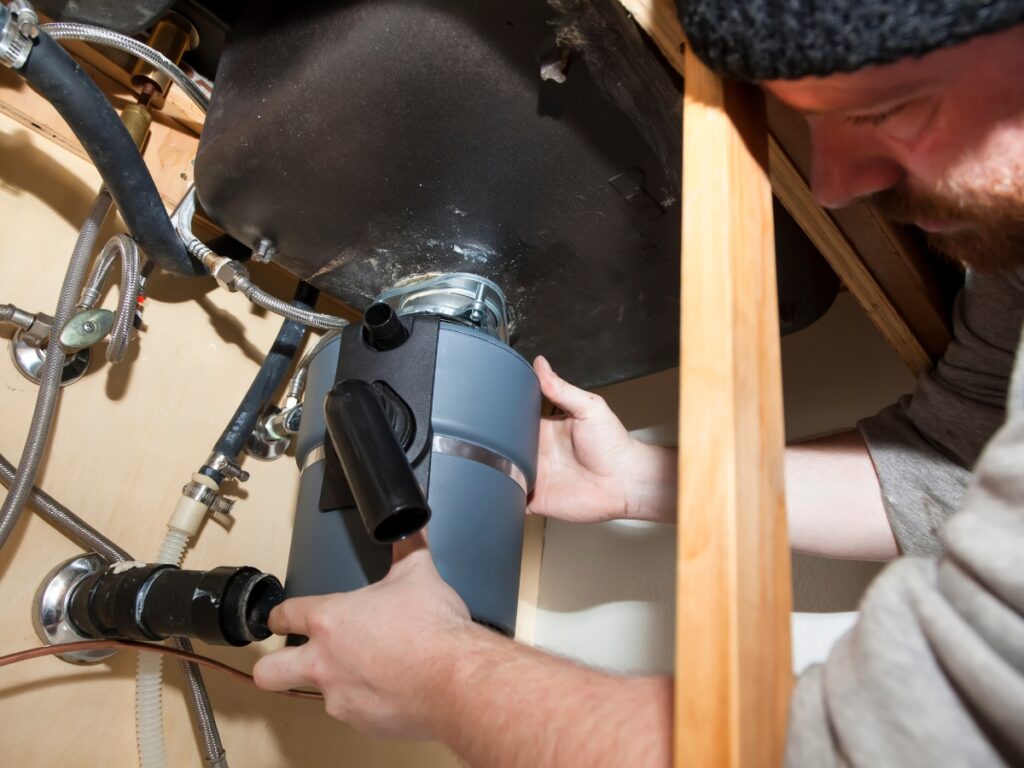
When a garbage disposal starts leaking, humming, or refusing to turn on, cost is usually the next question. Homeowners want to know what a repair might run, what replacement typically costs, and how to avoid paying for the wrong solution. While exact pricing depends on the situation, understanding the common cost ranges and what drives them can make it easier to plan for a garbage disposal repair or replacement without surprises.
In many cases, the first step is figuring out whether the problem is truly the garbage disposal or something connected to it. A clogged drain line, a loose dishwasher connection, or a failing sink flange can all look like a disposal issue. Getting the correct diagnosis early can prevent paying for a repair that does not solve the real problem.
How Much Does Garbage Disposal Repair Usually Cost In Northwest Georgia?
In Northwest Georgia, garbage disposal repair commonly falls in the range of $100-300, depending on what is wrong and how much labor is involved. A basic service call to clear a jam, reset the unit, or tighten a connection is usually on the lower end of that range. More involved repairs, such as replacing a worn mounting assembly, correcting a leak at the sink flange, or addressing electrical and switch-related issues, can push the cost higher.
The type of repair is a big factor because some problems are quick adjustments, while others require disassembly, replacement parts, and testing. Labor also plays a role. Rates can vary based on experience, travel time, and how difficult it is to access the unit under the sink. Parts can add to the overall price as well, especially if a seal, flange component, or drain fitting needs replacement. A good rule is that the more time it takes to diagnose and rebuild, the more the repair will cost.
What Factors Affect The Price Of New Garbage Disposal Installation?
Replacement costs depend on both the unit you choose and what the installation involves. Some homes have a straightforward setup where the old garbage disposal is removed and a similar model is installed with minimal adjustments. Others require changes to the mounting assembly, updates to plumbing connections, or modifications to the electrical connection, which can increase labor.
Unit selection matters too. Basic disposals cost less than higher-capacity models that offer stronger motors, quieter operation, or more durable grinding components. While it can be tempting to choose the least expensive option, the “best value” is usually the unit that matches how the household uses the kitchen. A garbage disposal that is too small for heavy daily use may jam more often and wear out faster, which leads to higher costs over time.
Here is a simple breakdown of what typically influences installation cost:
| Installation Type | Cost Factor | Average Price |
|---|---|---|
| Basic Installation | Labor | $100 – $200 |
| High-End Models | Unit Cost | $300 – $600 |
| Additional Features | Upgrades | $50 – $100 |
These are general ranges, but they show how pricing usually works. Labor covers removal and installation. Unit cost depends on the model. Upgrades may include changes that improve fit, performance, or compatibility with an existing setup.
When deciding between repair and replacement, consider the age of the unit, the severity of the issue, and whether problems have become frequent. A one-time repair on a newer garbage disposal often makes sense. If the unit is older, leaking from the body, or failing repeatedly, replacement is often the more dependable investment.
Conclusion
A malfunctioning garbage disposal can quickly disrupt your kitchen routine, leading to unpleasant odors, drainage issues, and potential damage to your plumbing system. While some minor problems may be resolved with simple fixes, persistent issues often require professional diagnosis and repair or a complete replacement.
For fast, reliable plumbing repair services that gets your kitchen back in working order, trust the licensed plumbers at JW Plumbing Pros. Don’t let a broken disposal spoil your day. Call 770-635-5159 or request a free quote online today for expert repair or replacement. We’ll have your kitchen running smoothly again in no time.