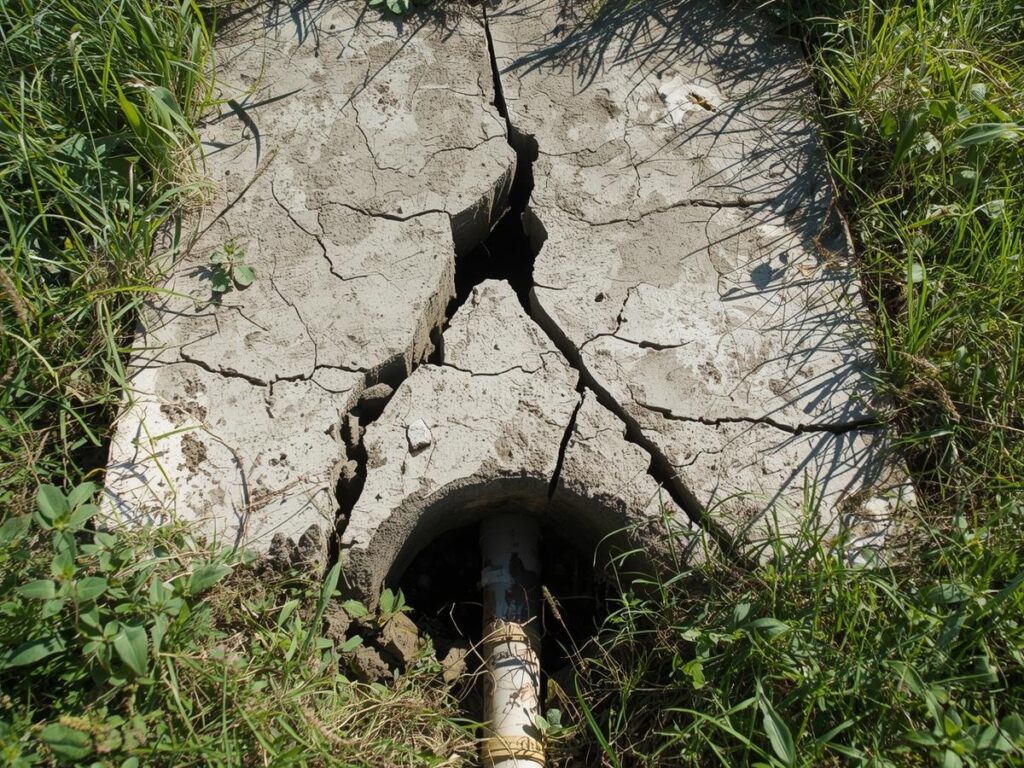
A slab leak can stay hidden for weeks or even months while quietly causing serious damage beneath your home. Because the plumbing runs under the foundation, these leaks often go unnoticed until you see rising water bills, damp flooring, or cracks forming where they shouldn’t.
This slab leak guide that covers signs, detection, and repair costs in Georgia can help you catch problems early and avoid extensive repairs. Georgia’s soil conditions and seasonal moisture changes can place added stress on pipes beneath the slab, increasing the risk of leaks over time.
Identifying warning signs and understanding how professionals locate and fix these issues is key to protecting your home’s structure. Knowing what to watch for and what repairs may involve gives you a clearer path to addressing slab leaks before they escalate.
Slab leaks are not always easy to spot, especially in the early stages. Because they occur beneath the foundation, the signs often show up gradually and can be mistaken for other issues. A clear slab leak guide helps homeowners recognize these warning signs before they turn into larger problems.
One of the most common indicators is a sudden increase in your water bill without a clear explanation. If water usage has not changed but costs continue to rise, it may point to a hidden leak. You might also notice a musty smell inside the home, which can develop when moisture builds up under flooring or within walls.
Visual signs can appear as well. Water stains, peeling paint, or damp spots on floors often suggest that moisture is moving beyond where it should be. These changes may seem minor at first, but they can signal a deeper issue beneath the surface.
Recognizing these early symptoms is an important step in protecting both residential and commercial properties from more extensive damage.
Detecting a leak early can make a significant difference in both repair costs and overall damage. Many of the warning signs tied to slab leaks also affect the structure of the building, which is why paying attention to small changes matters.
Some of the most noticeable signs include:
These issues often develop slowly, which makes them easy to overlook. However, they are often connected to moisture moving through the structure over time. A reliable slab leak guide encourages regular observation of these changes so problems can be addressed early.
The sooner a leak is identified, the easier it is to limit the impact on the foundation and surrounding materials.
When a leak goes unnoticed, the effects can extend far beyond higher water bills. Water trapped beneath a concrete slab can gradually weaken the structure and create conditions that affect both the building and the people inside it.
One of the most serious concerns is structural damage. As water continues to flow beneath the slab, it can cause the soil underneath to shift. Over time, this may lead to cracks in the foundation or uneven settling.
Moisture buildup also creates an environment where mold can develop. This can affect indoor air quality and lead to additional maintenance issues. In some cases, the damage may remain hidden until it becomes more difficult to repair.
Other long-term effects include:
Understanding these risks is a key part of any slab leak guide. It highlights why early detection is not just about convenience, but about protecting the overall integrity of the property.
Slab leaks rarely resolve on their own. Instead, they tend to worsen over time, especially if the source remains active. Staying aware of the early signs allows property owners to respond before the issue becomes more complex.
A practical slab leak guide focuses on observation and consistency. By paying attention to changes in water usage, surface conditions, and structural details, it becomes easier to catch problems early and limit their impact.
Taking these signs seriously can help preserve both the condition of the property and the long-term cost of maintenance.
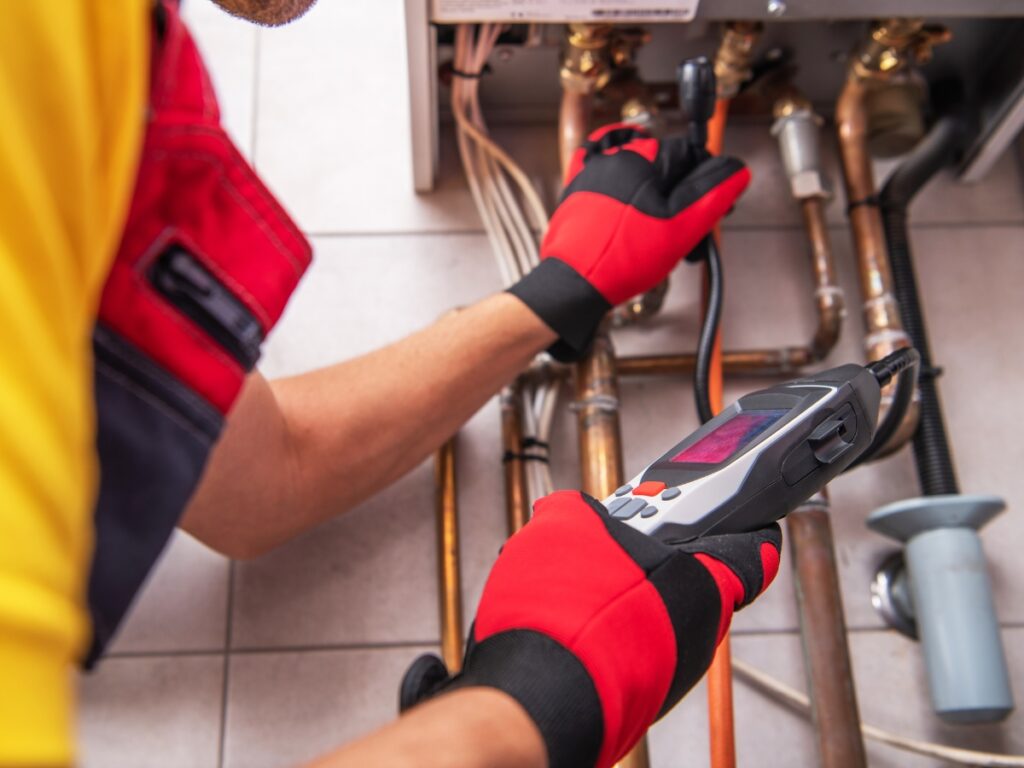
Finding a slab leak is not always straightforward. Because the pipes are hidden beneath concrete, the process requires more than a visual inspection.
A well-rounded slab leak guide often focuses on the tools and methods professionals use to locate leaks with as little disruption as possible.
Modern detection techniques are designed to identify the exact location of a leak before any repair work begins. This helps reduce unnecessary damage to floors or foundations and keeps the process more efficient overall.
Some of the most commonly used methods include:
Each method serves a specific purpose, and in many cases, more than one approach is used to confirm the location of the problem.
Thermal imaging is one of the more practical tools used in leak detection because it does not require breaking into the surface. Instead, it relies on infrared technology to identify temperature differences in floors and walls.
When a pipe leaks beneath a slab, the escaping water can change the temperature of the surrounding area. This often creates cooler or sometimes warmer spots, depending on the conditions. A thermal camera can detect these subtle changes, even when they are not visible to the eye.
By scanning the surface, technicians can narrow down the area where the leak is likely located. This allows for a more targeted approach to repairs. Within a slab leak guide, thermal imaging is often highlighted because it helps reduce guesswork and limits unnecessary disruption.
It is important to note that thermal imaging does not always provide a complete answer on its own. It is most effective when combined with other detection methods to confirm the findings.
Acoustic sensors are another key part of modern leak detection. These tools are designed to pick up the sound of water moving through pipes or escaping into surrounding materials.
Even small leaks can produce vibrations that travel through the structure. Acoustic equipment amplifies these sounds, making it easier to identify where the leak is coming from. Technicians often use multiple listening points to compare sound intensity and narrow down the exact location.
This process can be very precise. By focusing on sound patterns, it becomes possible to locate leaks without removing large sections of flooring. Many slab leak guide resources emphasize acoustic detection because of its ability to reduce unnecessary damage while still delivering accurate results.
No single method works perfectly in every situation. Factors such as pipe depth, building materials, and the size of the leak can all affect how easily it can be detected. That is why professionals often combine different tools to get a clearer picture.
For example, thermal imaging may identify a general area of concern, while acoustic sensors help pinpoint the exact spot. In some cases, a camera inspection inside the pipe can confirm the issue and reveal the condition of the plumbing.
Using multiple techniques allows for a more reliable diagnosis. It also helps ensure that repairs are focused only where they are needed.
Advanced detection methods have changed how slab leaks are handled. Instead of relying on trial and error, professionals can now locate issues with greater precision and less disruption.
A well-informed slab leak guide helps property owners understand why these methods matter. By using the right combination of tools, it becomes easier to address leaks early and avoid unnecessary damage to the structure. This approach not only protects the property but also makes the repair process more efficient from start to finish.
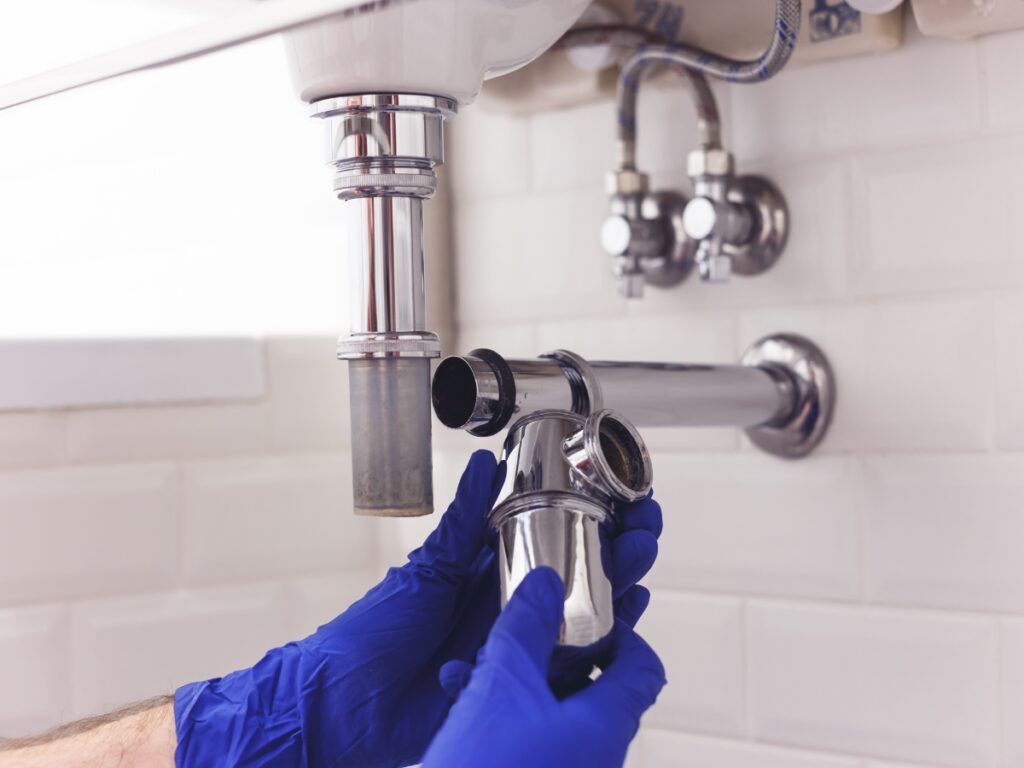
Once a leak has been confirmed, the next step is choosing the right repair method. Not every solution works for every situation, so the decision usually depends on the location of the leak, the condition of the pipes, and how much disruption a homeowner is willing to accept. A clear slab leak guide helps make sense of these options and what they involve.
Two of the most common repair methods are pipe rerouting and epoxy pipe lining. Both are effective, but they address the problem in different ways. Understanding how each works can make it easier to choose the right approach based on the severity of the issue.
Pipe rerouting is often used when the damaged section of pipe is difficult to access or has multiple weak points. Instead of repairing the pipe under the slab, a new line is installed to bypass the affected area. This approach can reduce the need to break through concrete and is often preferred for more extensive damage.
Epoxy pipe lining, on the other hand, focuses on repairing the pipe from the inside. A resin coating is applied within the existing pipe, sealing small cracks and preventing further leaks. This method is less invasive and works best when the pipe is still structurally sound.
Here is a general comparison to help put both options into context:
These ranges can vary depending on the property and the extent of the issue. A slab leak guide typically presents these options so homeowners can weigh both the cost and the level of disruption involved.
Choosing between these methods is not always straightforward. Pipe rerouting may be more reliable in cases where the plumbing system has widespread wear, while epoxy lining can be a practical solution when the damage is limited.
The location of the leak also plays a role. If the affected pipe runs beneath a large section of the home, rerouting may be the more efficient option. If the leak is isolated and accessible, lining the pipe from within may be enough to resolve the issue.
Budget is another factor, but it should be considered alongside long-term results. A lower upfront cost does not always mean the best outcome if additional repairs are likely later on.
Several variables affect how much a repair will cost. Even when using the same method, the final price can change depending on the specifics of the property.
Some of the most common cost factors include:
For example, a leak beneath a hard-to-reach area may require more time and effort, which increases labor costs. Similarly, a pipe that has multiple weak points may require a more extensive solution.
A well-rounded slab leak guide encourages homeowners to look at the full picture rather than focusing on a single estimate. Understanding these variables helps set realistic expectations before any work begins.
Slab leak repairs are not just about fixing a single problem. They are also about preventing future issues and maintaining the stability of the property. Choosing the right method and understanding the associated costs can make a noticeable difference over time.
By following a practical slab leak guide, homeowners can approach repairs with more confidence. Knowing the available options, how they compare, and what influences pricing helps create a clearer path from detection to resolution.

Preventing slab leaks starts with awareness and consistency. While not every issue can be avoided, many problems develop over time and show early warning signs if you know what to look for.
A practical slab leak guide focuses on simple habits that reduce stress on plumbing systems and help catch small issues before they grow.
One of the most effective steps is scheduling routine plumbing inspections. A professional can spot early wear, minor leaks, or pressure concerns that are not obvious during everyday use. These inspections do not need to happen frequently, but checking in on the system once a year can make a difference.
It also helps to monitor water usage. Sudden changes in your water bill often point to hidden problems. Even a small increase can be worth investigating if it does not match your typical usage patterns.
These habits work together to create a more proactive approach to property care. Instead of reacting to damage, you are reducing the chances of it happening in the first place.
Good maintenance does not need to be complicated, but it does need to be consistent. A reliable slab leak guide usually highlights a few key practices that help keep plumbing systems stable over time.
Regular inspections are one of the most important steps. Checking visible plumbing, looking for signs of moisture, and paying attention to changes in flooring or walls can reveal early issues. These checks do not require special tools, just a bit of attention to detail.
Water pressure is another factor that often gets overlooked. When pressure is too high, it places extra strain on pipes. Over time, this can lead to small cracks or weak points. Keeping pressure within a safe range helps extend the life of the plumbing system.
Landscaping can also affect what happens beneath the surface. Trees and large shrubs planted too close to the foundation may cause problems as roots grow and search for moisture. Giving these plants enough distance helps reduce the risk of interference with underground pipes.
These maintenance steps are simple, but they support long-term stability. When combined, they create a routine that helps prevent unexpected repairs.
Technology has made it easier to monitor plumbing systems without constant manual checks. Smart leak detection sensors are designed to track water activity and alert property owners when something changes.
These devices can be placed in areas where leaks are more likely to occur. When they detect unusual moisture or water flow, they send an alert so the issue can be investigated quickly. Some systems also monitor overall water usage and highlight patterns that do not match normal behavior.
In certain setups, sensors can be paired with automatic shutoff valves. If a leak is detected, the system can stop the water supply before the damage spreads. This added layer of protection is especially useful for properties that are unoccupied for periods of time.
Within a slab leak guide, these tools are often recommended as part of a broader prevention strategy. They do not replace inspections, but they provide an extra level of awareness that can help catch problems early.
Preventing slab leaks is not about a single solution. It is about combining regular checks, mindful water use, and the right tools to reduce risk over time. Each step may seem small on its own, but together they create a stronger system.
A well-rounded slab leak guide encourages this kind of approach. By staying aware of how your plumbing system behaves and making small adjustments when needed, it becomes easier to avoid larger issues later.
Taking these preventative steps helps protect both the structure of the property and the long-term cost of maintaining it.nts for precise leak identification.

Knowing when a slab leak becomes an emergency can help limit damage and avoid more complex repairs. Some leaks develop slowly, but others can escalate quickly and affect both the structure of a property and its plumbing system. A reliable slab leak guide focuses on recognizing these shifts early so action can be taken at the right time.
One of the first warning signs is a sudden drop in water pressure. If multiple fixtures are affected and there is no clear explanation, it may point to a leak beneath the slab.
You might also notice soggy areas in your yard, even when there has been no recent rain. These wet spots can indicate that water is escaping underground and spreading outward.
Another common sign is the sound of water running when all taps are turned off. This can be subtle at first, but it often signals that water is moving where it should not be. When these symptoms appear together, they should not be ignored.
Some situations require more urgent attention than others. While minor leaks can sometimes be monitored briefly, certain conditions call for immediate action to prevent further damage.
Here are a few signs that typically require fast intervention:
In more severe cases, the signs become harder to miss. Overflowing fixtures or sudden flooding inside the property can indicate a larger issue within the plumbing system. At that point, waiting can increase the risk of structural damage or additional repairs.
A practical slab leak guide encourages property owners to treat these warning signs seriously. Acting early can reduce both the scope of the repair and the overall cost involved.
The longer a slab leak continues, the more it can affect the surrounding structure. Water beneath the slab can weaken the foundation, shift supporting soil, and create conditions that lead to mold growth. These problems do not always appear immediately, but they tend to worsen over time.
Responding quickly helps contain the issue before it spreads. Even if the leak seems small, the location beneath the slab makes it more difficult to assess without proper tools. This is why early evaluation is often recommended.
A slab leak guide often emphasizes timing because it directly affects how complex the repair process becomes. Addressing a leak early is usually simpler than dealing with the long-term effects of water damage.
Modern leak detection methods allow professionals to locate issues without unnecessary disruption. Techniques such as thermal imaging and acoustic detection help narrow down the problem area before any repairs begin.
These methods make it possible to act quickly and with more precision. Instead of removing large sections of flooring, the focus can remain on the specific area where the leak is occurring.
This approach helps reduce both repair time and overall impact on the property. For property owners, this means less uncertainty and a clearer path to resolving the issue.
A slab leak is one of the most serious and often hidden plumbing emergencies a Georgia homeowner can face, with the potential to cause extensive foundation damage, mold growth, and skyrocketing water bills if left undetected. Recognizing the warning signs is critical for early intervention.
For professional leak detection and precise, minimally invasive repair, trust the expert plumbing team at JW Plumbing Pros. Don’t let a slab leak undermine your home’s foundation—or your peace of mind. Call 770-635-5159 today for expert assessment and reliable repair. Let our specialists protect your home with prompt, professional care.