Frequently Asked Questions
How can I maintain my plumbing system?
Maintaining your plumbing system involves regular inspections, clearing clogs, checking for leaks, and ensuring proper drainage. Additionally, consider scheduling professional maintenance to address potential issues before they escalate.
What are some common plumbing issues homeowners face?
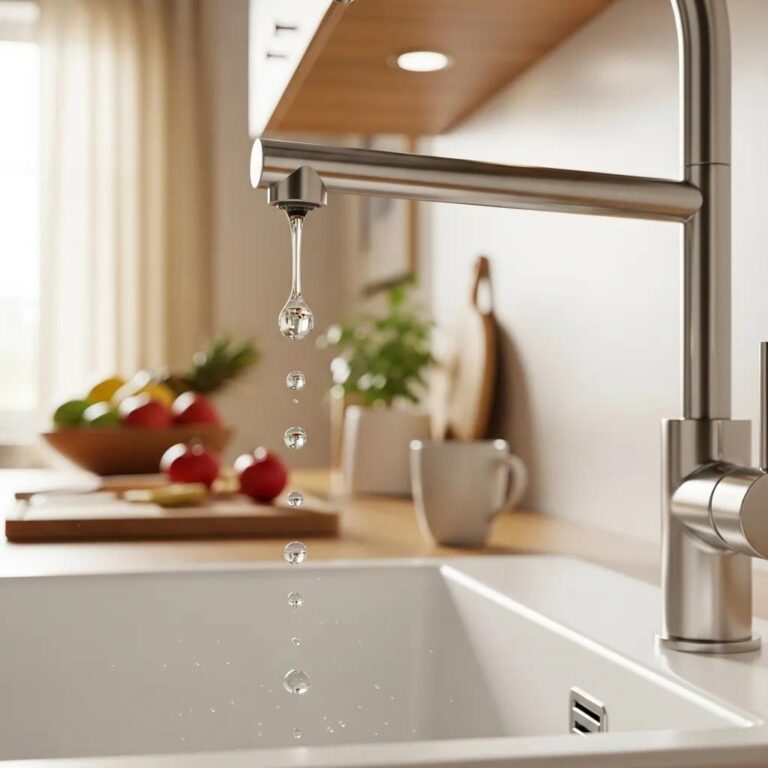
Common plumbing issues homeowners face include leaky faucets, clogged drains, running toilets, and low water pressure. These problems can lead to water waste and increased bills, making timely repairs essential for home maintenance.
How do I identify signs of a hidden leak?
Signs of a hidden leak include unexplained water bills, damp spots on walls or ceilings, mold growth, and the sound of running water when all fixtures are off. Regularly check these areas to catch leaks early.
What tips can you provide for home maintenance related to plumbing?
Home maintenance related to plumbing involves several essential tips. Regularly check for leaks, inspect your water heater, and clean your drains to prevent clogs. Additionally, know the location of your main shut-off valve for emergencies.
What are the benefits of using a professional plumbing service?
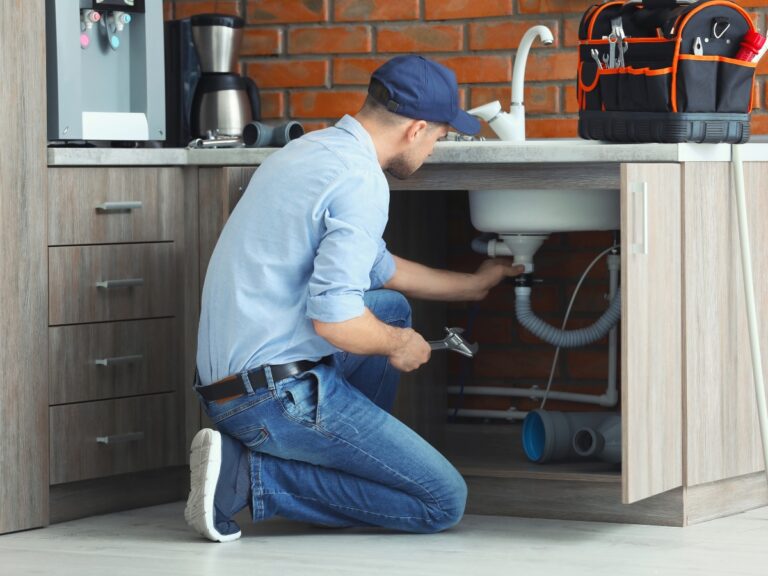
The benefits of using a professional plumbing service include expert knowledge, efficient problem-solving, and access to specialized tools. Professionals ensure quality workmanship, compliance with local codes, and can prevent costly future repairs, providing peace of mind for homeowners.
What routine checks can prevent plumbing issues?
Routine checks that can prevent plumbing issues include inspecting for leaks, checking water pressure, ensuring drains are clear, and monitoring the condition of pipes and fixtures. Regular maintenance helps identify problems early and saves costly repairs.
How often should I inspect my plumbing?
Regular plumbing inspections are essential for maintaining your home's plumbing system. It is recommended to inspect your plumbing at least once a year to identify potential issues early and ensure everything is functioning properly.
What are signs of plumbing system wear?
The signs of plumbing system wear include frequent leaks, low water pressure, discolored water, strange noises from pipes, and visible corrosion or rust. Addressing these issues promptly can prevent more significant problems and costly repairs.
How can I prevent pipe corrosion?
Preventing pipe corrosion involves maintaining proper water chemistry, insulating pipes to reduce temperature fluctuations, and regularly checking for leaks. Additionally, using corrosion-resistant materials can significantly extend the lifespan of your plumbing system.
What should I do during a plumbing emergency?
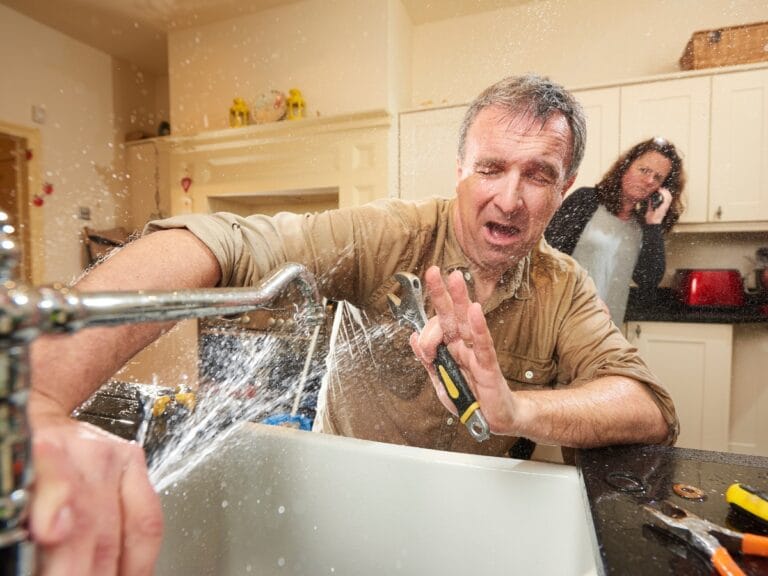
During a plumbing emergency, it’s crucial to act quickly. First, turn off the water supply to prevent further damage, then assess the situation and call a professional plumber for immediate assistance.
How to choose a reliable plumber?
Choosing a reliable plumber involves checking their credentials, reading customer reviews, and ensuring they offer transparent pricing. Look for licensed professionals with experience and good communication skills to guarantee quality service.
What maintenance tasks should I prioritize?
The maintenance tasks you should prioritize include regularly checking for leaks, cleaning faucet aerators and showerheads, inspecting your water heater, and ensuring your sump pump is functioning properly. These tasks help prevent costly repairs and maintain efficient plumbing.
How can I improve my homes water pressure?
Improving your home's water pressure can be achieved by checking for clogs in pipes, ensuring all valves are fully open, and installing a water pressure booster if necessary. Regular maintenance and inspections can also help identify underlying issues.
What are the risks of DIY plumbing repairs?
The risks of DIY plumbing repairs include potential for costly mistakes, inadequate fixes that can lead to further damage, and safety hazards such as leaks or exposure to harmful substances. Professional help is often a safer choice for complex issues.
How to recognize a plumbing emergency?
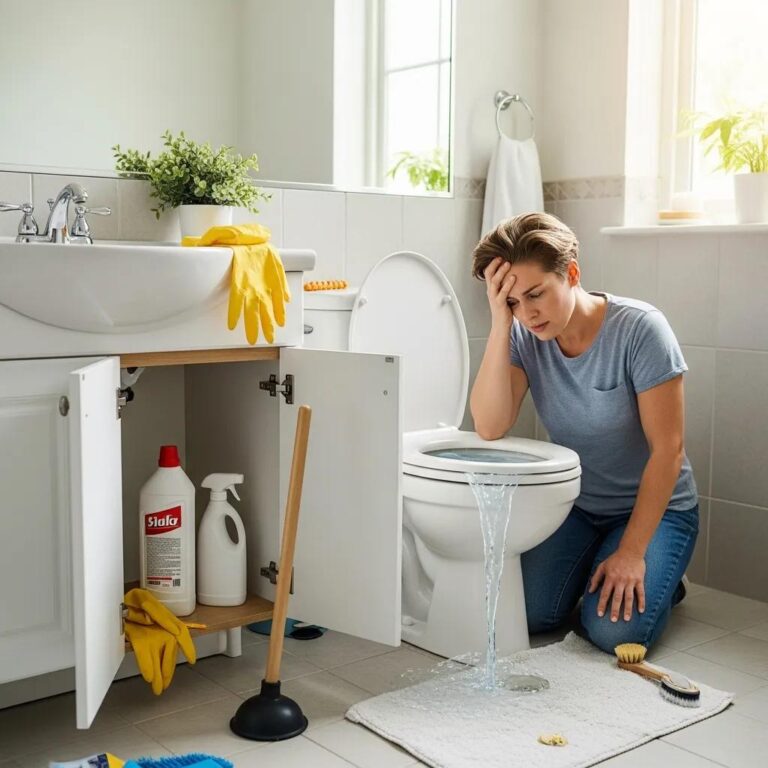
Recognizing a plumbing emergency involves identifying situations like severe leaks, overflowing toilets, or a complete loss of water pressure. If the issue poses a risk of damage or health hazards, it requires immediate attention from a professional.
What tools are essential for plumbing maintenance?
The essential tools for plumbing maintenance include a plunger, adjustable wrench, pipe wrench, screwdriver set, and a drain snake. These tools help homeowners effectively address common plumbing issues and perform routine maintenance.
How can I reduce my water bill?
Reducing your water bill can be achieved by fixing leaks, installing low-flow fixtures, and using water-efficient appliances. Additionally, being mindful of your water usage during daily activities can significantly lower your overall consumption.
What are common causes of clogged drains?
Common causes of clogged drains include the buildup of hair, grease, soap scum, food particles, and foreign objects. These materials can accumulate over time, leading to blockages that disrupt proper drainage in your plumbing system.
How to maintain my water heater effectively?
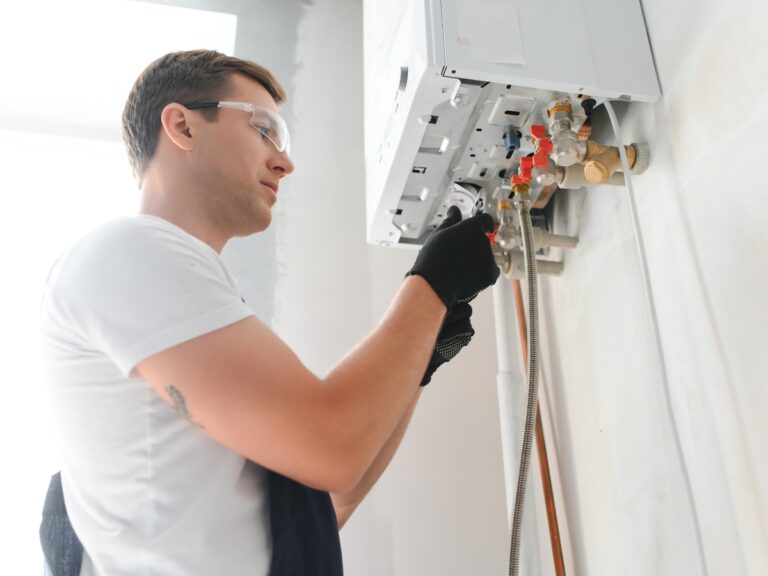
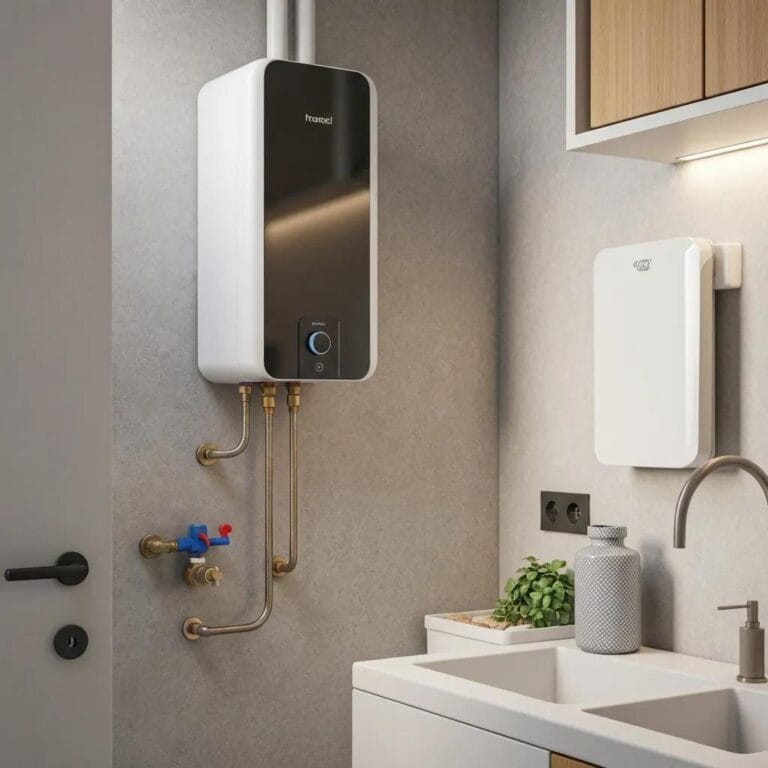
Effective maintenance of your water heater involves regularly flushing the tank to remove sediment, checking the anode rod for corrosion, and ensuring the temperature is set to around 120°F to optimize performance and energy efficiency.
What plumbing upgrades increase home value?
Plumbing upgrades that increase home value include modernizing fixtures, installing energy-efficient appliances, and upgrading to copper or PEX piping. These improvements enhance functionality, reduce utility costs, and appeal to potential buyers, making your home more attractive on the market.