


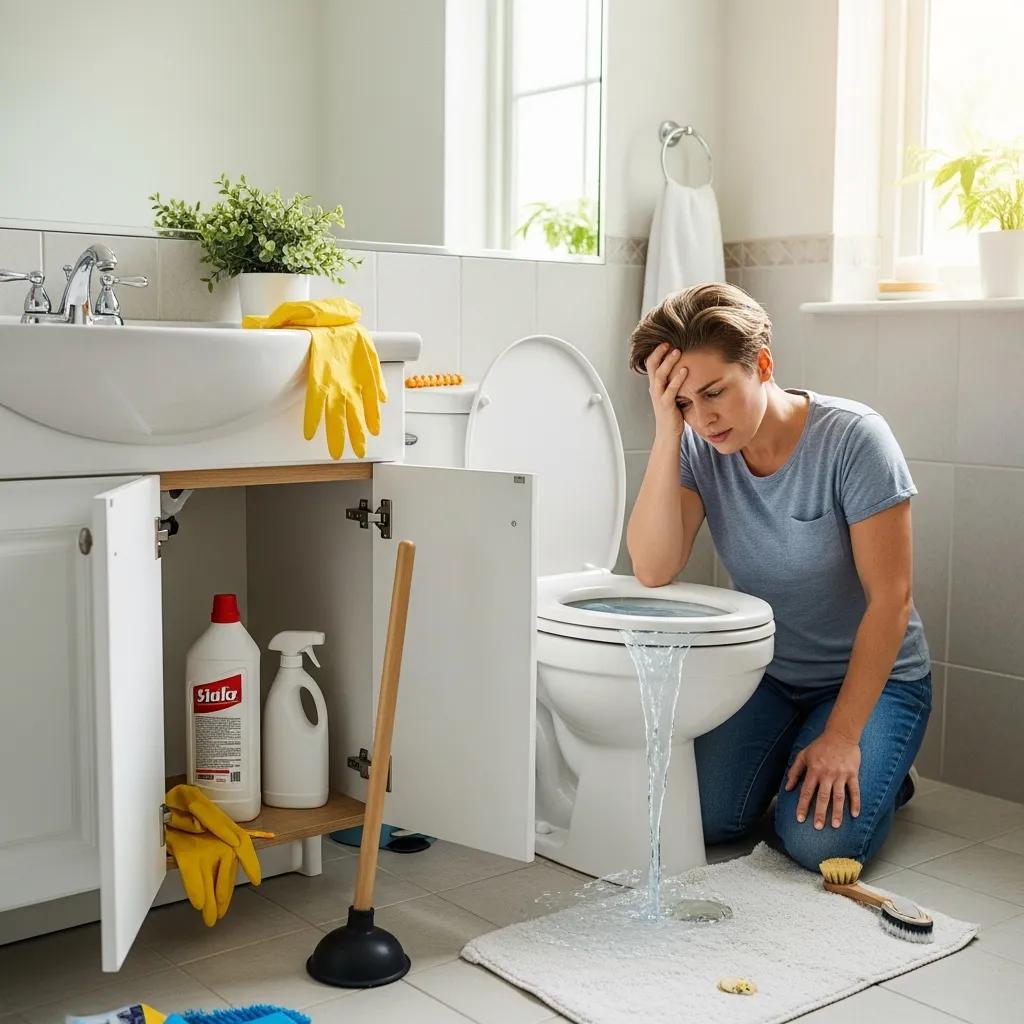
A clogged toilet is one of the most common—and urgent—household plumbing issues, but before you call a plumber, several quick and effective DIY fixes can often restore normal flow in minutes. From using a properly angled plunger and a toilet auger to trying safe, natural solutions like hot water and dish soap, understanding the right techniques for different types of clogs can save you time, money, and stress.
In this guide, we’ll walk you through the safest and most reliable quick fixes for a clogged toilet, as well as when to recognize that a clog requires professional attention.
Clogged Toilet Troubleshooting Before You Call for Help
Common Causes Of A Clogged Toilet
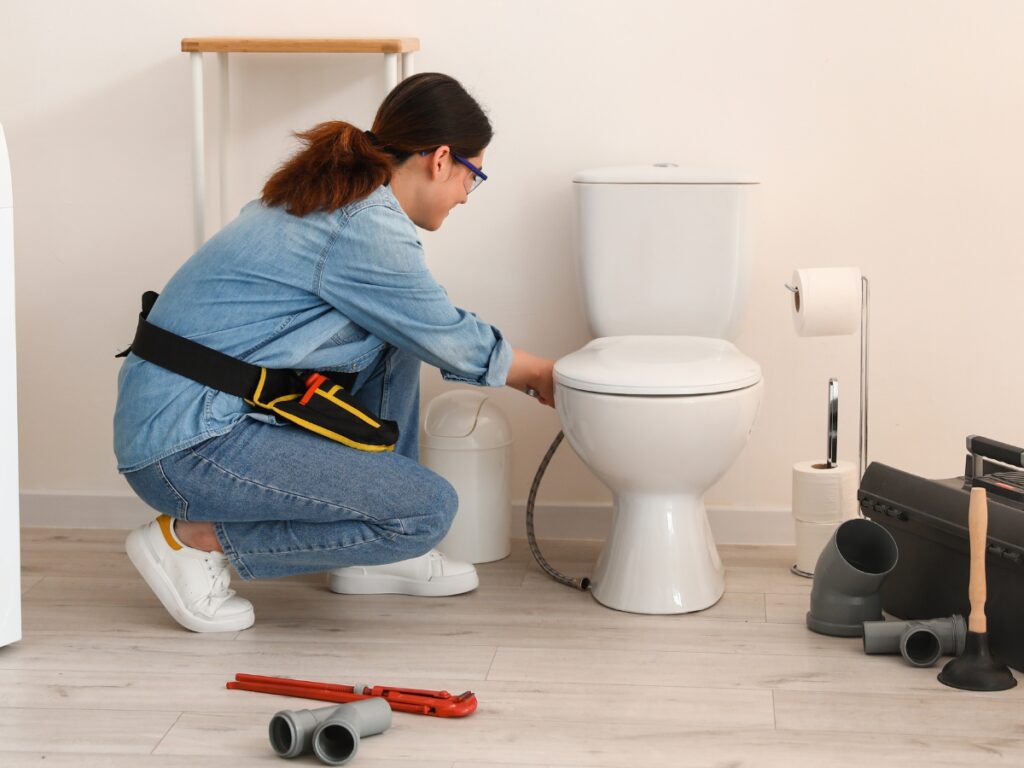
A clogged toilet rarely happens without warning. In most homes, blockages develop because of a few consistent habits or conditions within the plumbing system. Breaking these causes down makes it easier to understand why clogs keep happening and what signs to watch for before a small issue becomes a bigger disruption.
Flushing Items That Do Not Break Down
The most common cause of a clogged toilet is flushing items that are not designed to dissolve in water. Toilet paper is made to break apart quickly, but many everyday products are not. Wet wipes, even those marketed as flushable, paper towels, cotton products, and feminine hygiene items tend to hold their shape once they enter the drain. These materials can catch inside the toilet trap or farther down the pipe, creating a point where waste and paper begin to collect. Using large amounts of toilet paper at once can also cause clogs, especially in older plumbing where pipe diameters may already be limited.
Partial Blockages In The Main Sewer Line
Not every clogged toilet is caused by something inside the bowl. Sometimes the problem is deeper in the plumbing system. A partial blockage in the main sewer line can slow drainage throughout the home and cause toilets to back up unexpectedly. When this happens, the toilet may flush slowly, bubble, or refill unevenly. You may also notice other fixtures draining poorly at the same time. These signs often indicate restricted flow leaving the home, which makes it easier for waste to back up into the toilet.
Mineral Buildup From Hard Water
Hard water can quietly contribute to a clogged toilet over time. Minerals left behind as water passes through pipes can form a hard residue along the interior surfaces. As this buildup thickens, it narrows the space available for waste and water to move through. Pipes that once handled normal flushing without issue may start clogging more often because there is less room for material to pass freely. This type of buildup happens gradually, which is why it often goes unnoticed until clogs become frequent.
Weak Or Inefficient Toilet Flushing
The toilet itself can also play a role in repeated clogs. Older toilets or models with low flushing power may not move waste effectively with each flush. If waste remains in the bowl, or if multiple flushes are needed to clear it, the risk of a clogged toilet increases. Low water levels in the tank, worn internal components, or partially blocked rim jets can all reduce flushing strength. When the toilet cannot generate enough force, waste may settle where it should not.
Why Recurring Clogs Matter
An occasional clog is normal, but repeated issues usually signal an underlying problem. A clogged toilet often reflects patterns in usage, gradual pipe restrictions, or flushing performance that is no longer reliable. Paying attention to how often clogs occur and what else is happening in the plumbing system can help identify the cause early and prevent more serious drainage problems down the line.
Essential Tools For Fixing A Clogged Toilet
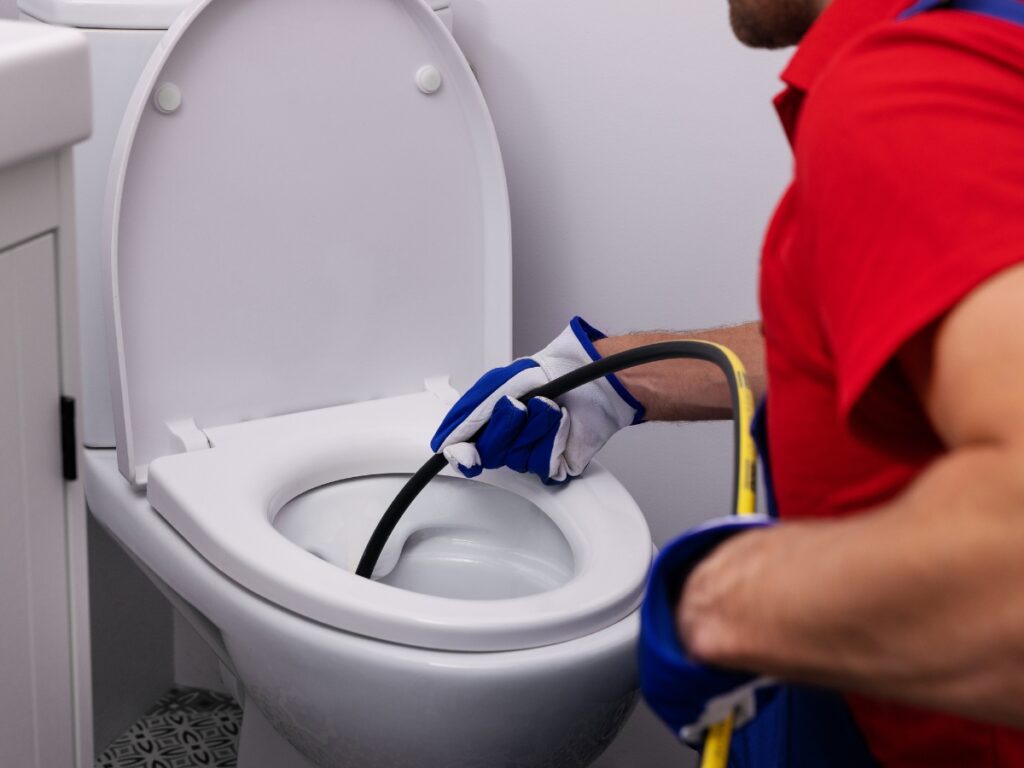
When you are dealing with a clogged toilet, the right tools make the difference between a quick fix and a frustrating mess. Most clogs can be handled with basic equipment you can keep on hand, as long as you choose the right version of each tool and use it correctly. Having >>>clogged toilet<<< supplies ready before you start also helps you work faster and avoid unnecessary spills.
Choosing The Right Plunger
A plunger is the go-to tool for a clogged toilet, but not every plunger works well on a toilet bowl. The best option is a flange plunger, which has an extra rubber flap that extends from the cup. That flange helps create a tighter seal in the curved opening of the toilet drain, which is what you need to build pressure and pull the clog loose. A standard cup plunger, the type usually used for sinks, can work in a pinch, but it often does not seal well enough to move a toilet clog.
If you want one tool that handles the most common clogs, a sturdy flange plunger is the one to keep nearby. It is also worth checking that the rubber is flexible and not cracked, since worn rubber reduces suction and makes the work harder than it needs to be.
Using A Toilet Auger For Stubborn Clogs
When plunging does not clear the blockage, a toilet auger, sometimes called a closet auger, is the next step. This tool is designed specifically for toilets and is made to reach farther into the drain pathway than a plunger can. A good auger has a protective sleeve so it does not scratch the porcelain, and the cable is stiff enough to break through buildup or hook onto an object that should not be in the line.
A toilet auger is especially helpful when the clogged toilet is caused by something lodged deeper in the trap, like a small item that accidentally got flushed. It is also useful when clogs keep coming back, since it can push through compacted paper or waste that sits beyond the immediate bend of the toilet.
Protective Gear And Cleanup Supplies
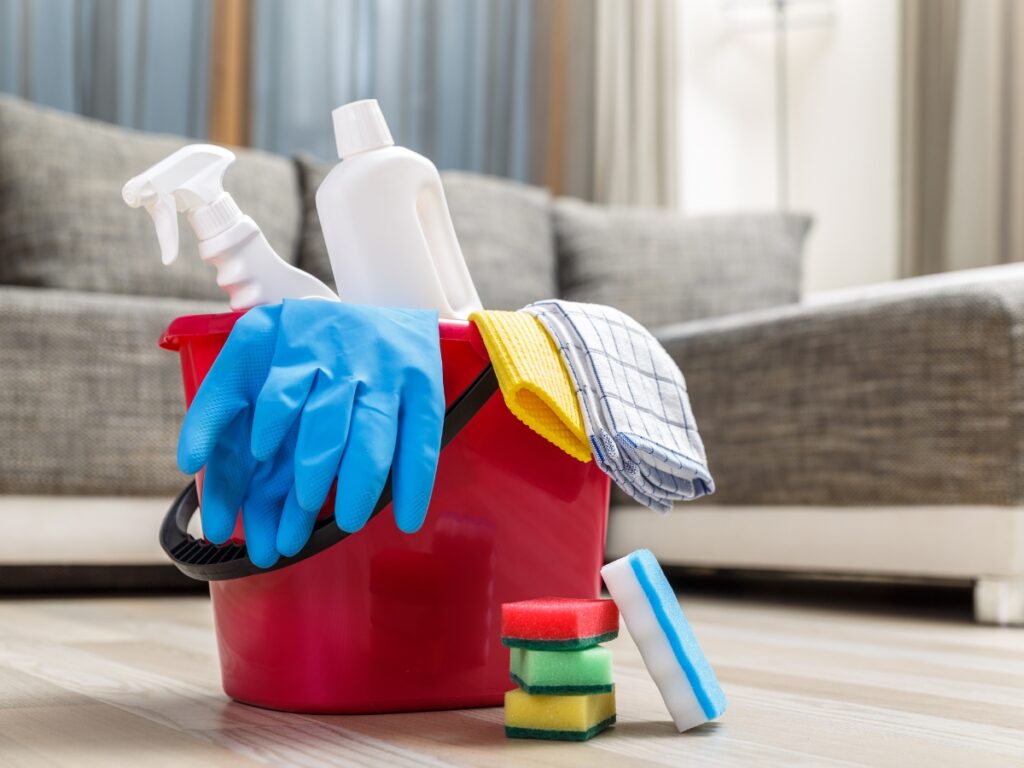
Unclogging a toilet can get messy, so it helps to prepare the area before you start working. Rubber gloves protect your hands and make cleanup easier. Old towels are also useful for catching drips and protecting the floor around the base of the toilet, where water tends to spill first. A small bucket can come in handy if you need to remove some water from the bowl before plunging, or if you need a place to rinse tools afterward.
While these items are not the main tools for clearing a clogged toilet, they reduce stress and help you avoid damage to flooring, baseboards, and nearby surfaces.
Keeping A Simple Toilet Kit Ready
If toilet clogs happen more than once in your home, it is worth keeping a small toilet kit in an easy-to-reach spot. A good plunger, a reliable toilet auger, gloves, towels, and a bucket cover most situations you are likely to run into. With those basics in place, you can respond quickly, stay cleaner, and handle a clogged toilet without turning it into a bigger project.
Step-By-Step Guide To Using A Plunger For A Clogged Toilet
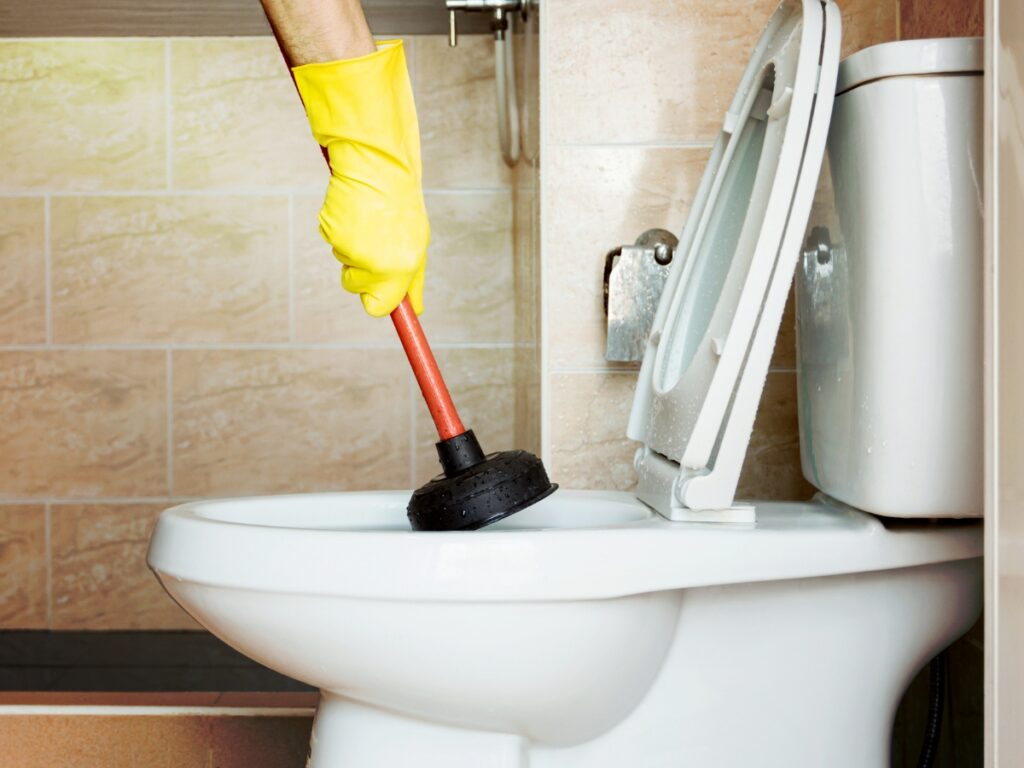
A plunger can clear a clogged toilet quickly, but results depend on technique. Many people push too hard too fast, which breaks the seal and splashes water without moving the blockage. If you slow down at the start and focus on pressure and suction, you are much more likely to clear the clog without making a mess.
Start By Checking The Water Level
Before you plunge, look at the water level in the bowl. You want enough water to cover the rubber head of the plunger because water is what helps create pressure. If the bowl is too low, add a bit of water so the plunger can seal properly. If the water is high and close to the rim, remove some first to reduce the risk of overflow. A clogged toilet can back up quickly when pressure builds, so it is worth taking a minute to set the bowl up safely.
Set The Plunger In Place And Create A Seal
Position the plunger directly over the drain opening at the bottom of the bowl. For toilets, a flange plunger usually works best because the extended rubber ring helps fit the shape of the drain. Press down gently at first to seat it and confirm you have a solid seal. If the plunger is tilted or the cup is not fully covering the opening, the motion will not build the pressure needed to loosen the clog.
Use Controlled Pressure First, Then Stronger Suction
Once the plunger is sealed, push down slowly. That first push should be steady, not aggressive, because you are forcing air out and setting up the pressure wave that helps dislodge the blockage. After the slow push, pull up firmly without lifting the plunger off the drain. That upward pull is what creates suction, which can help break apart the clog or draw it loose.
Continue with a consistent rhythm of pushing down and pulling up while keeping the seal intact. The goal is not speed, it is control. If you feel the seal slipping, reposition the plunger and start again rather than continuing with weak plunges.
Time Your Plunging And Test The Flush
Keep plunging for about 15 to 20 seconds, then pause and see if the water level changes. If you notice the bowl draining, that is a good sign the clog is breaking up. At that point, pull the plunger straight up to release the seal cleanly, then give the toilet a cautious test flush. If the water drains normally, the clogged toilet is likely cleared.
If the water still sits high or drains slowly, repeat the plunging cycle. It often takes a few rounds to fully clear a clogged toilet, especially if the blockage is compacted toilet paper or waste sitting deeper in the trap.
Know When To Switch Tactics
If you have tried several controlled plunging cycles and nothing changes, forcing it harder usually will not help. That is often the point where a toilet auger becomes the better next step, especially if the clog is caused by an object or a deeper blockage. The key is staying patient, keeping the seal tight, and using steady pressure so the plunger can do what it is designed to do.
Natural And Chemical Solutions For A Clogged Toilet
When a clogged toilet is minor, it can sometimes be cleared without a plunger or auger. Both natural remedies and store bought chemical solutions have their place, but they work best when used correctly and in the right situations. Knowing when to try a gentler approach and when to be cautious can save time and help prevent damage to your plumbing.
Using Dish Soap And Hot Water
One of the simplest methods for a clogged toilet involves dish soap and hot water. This approach works best for clogs caused by toilet paper or organic waste rather than solid objects. Dish soap acts as a lubricant, helping waste slide through the pipe more easily. Start by pouring about half a cup of dish soap into the bowl, aiming for the water rather than the sides. Let it sit for several minutes so it can settle around the blockage.
After that, add hot water to the bowl. The water should be hot but not boiling, since extreme heat can crack porcelain. Pour the water from waist height to help create gentle pressure as it enters the drain. Allow the mixture to sit for 20 to 30 minutes. In many cases, the combination of lubrication and warmth is enough to loosen the clog and restore normal drainage.
Baking Soda And Vinegar Reactions
Another commonly used natural method relies on baking soda and vinegar. This solution creates a fizzing reaction that can help break up soft clogs and move them along. Pour one cup of baking soda into the toilet bowl and give it a moment to sink into the water. Follow with two cups of white vinegar and step back as the reaction begins.
The bubbling action helps agitate the clog rather than dissolve it, so patience is important. Let the mixture sit for at least 20 minutes, or longer if possible. Afterward, add hot water to encourage the loosened material to move through the drain. This method is gentle on pipes and can be a good first step when the clogged toilet is draining slowly rather than fully blocked.
When Chemical Cleaners May Help
Chemical drain cleaners can be effective for certain toilet clogs, but they should be used with care. Only products labeled as safe for toilets should be considered, since some drain cleaners are designed for sinks and can damage toilet components. These cleaners work by breaking down organic material, but they are not effective against solid objects and will not fix mechanical blockages.
Always follow the manufacturer instructions closely and avoid using more than directed. Overuse of chemical cleaners can weaken pipes over time and may cause issues in septic systems. For that reason, chemical solutions are best reserved for occasional use when natural methods have failed and the clogged toilet is caused by buildup rather than an obstruction.
Choosing The Right Approach
Natural solutions are often a good starting point because they are low risk and easy to try. They work best when the clog is light and water is still draining, even if slowly. Chemical cleaners may help in specific situations, but they should not be the first response every time a clogged toilet occurs. If repeated treatments do not improve drainage, it is a sign the problem may be deeper in the system and require a different approach. Using the right solution at the right time helps keep the toilet functioning without creating new problems down the line.
When To Call A Professional Plumber For A Clogged Toilet
A clogged toilet is often something you can handle with a plunger, a toilet auger, or a simple at-home method. Still, not every clog is a quick fix, and pushing too hard with repeated DIY attempts can sometimes make the situation worse. Knowing when to stop troubleshooting and bring in a professional can help you avoid overflow, water damage, and bigger plumbing problems down the line.
When DIY Methods Are Not Working
If you have tried plunging properly and repeated the process a few times without any improvement, that is usually the first sign the blockage is not near the toilet trap. The same is true if you tried a toilet auger and still cannot get the water level to drop. A clogged toilet that will not respond to basic tools can mean the obstruction is deeper in the line, compacted, or caused by something that should not have been flushed.
Another clear warning sign is when the bowl stays dangerously full. If the water level remains high after your attempts, or rises each time you test a flush, it is safer to pause rather than keep forcing water through. Overflow can happen quickly, especially if the drain is fully blocked.
Recurring Clogs That Keep Coming Back
A clogged toilet that returns every few days or every week is often a symptom rather than the full problem. Repeated clogs can point to a partial obstruction in the drain line, buildup that keeps catching toilet paper, or a toilet that is not flushing strongly enough to move waste through consistently. While you might be able to clear it temporarily, the pattern usually means something is restricting flow and needs a closer look.
This is also where homeowners sometimes damage components by using harsh chemicals too often or by trying to force an auger through a tight bend. If the clog keeps returning, it is usually more efficient to address the cause than to keep repeating the same fix.
Multiple Drains Acting Up At The Same Time
If more than one fixture is draining poorly, the issue may be in the main sewer line rather than the toilet itself. Watch for clues like a shower or tub that backs up when you flush, a sink that drains slowly at the same time the toilet struggles, or gurgling sounds coming from drains. When multiple drains are affected, the plumbing system is telling you the blockage is happening farther downstream.
In these situations, continued flushing can increase pressure in the system and lead to backups in the lowest drains in the home. That is one reason a clogged toilet paired with other drainage problems should be treated as a bigger warning sign.
Why Professional Equipment Matters
Professional plumbers can pinpoint the location and cause of a blockage using tools designed for deeper, tougher clogs. Stronger augers can reach farther into the line than most consumer versions, and some clogs require specialized cleaning methods to remove buildup safely. When the problem is tied to the main sewer line, professional equipment and experience can clear the obstruction without damaging pipes or creating a bigger mess inside the home.
Avoiding Bigger Damage And Costlier Repairs
Waiting too long to address a stubborn clogged toilet can lead to repeated overflows, water damage around the base of the toilet, and potential issues within the plumbing system. If the warning signs are there, especially lack of improvement, recurring clogs, or multiple drains backing up, bringing in a professional early is often the safest way to protect your home and get the problem resolved correctly.
Final Tips: DIY Toilet Clog Fixes & When to Call JW Plumbing Pros
A clogged toilet is a common household headache, and these quick fixes can often get things flowing again. However, persistent clogs or frequent blockages can signal a deeper issue in your plumbing system that requires professional attention.
For reliable, lasting plumbing solutions and to prevent messy overflows, trust the experts at JW Plumbing Pros. Don’t let a stubborn clog disrupt your day. Call 770-635-5159 or request a free quote online today for prompt, professional service. We’re here to restore your peace of mind and your plumbing.