


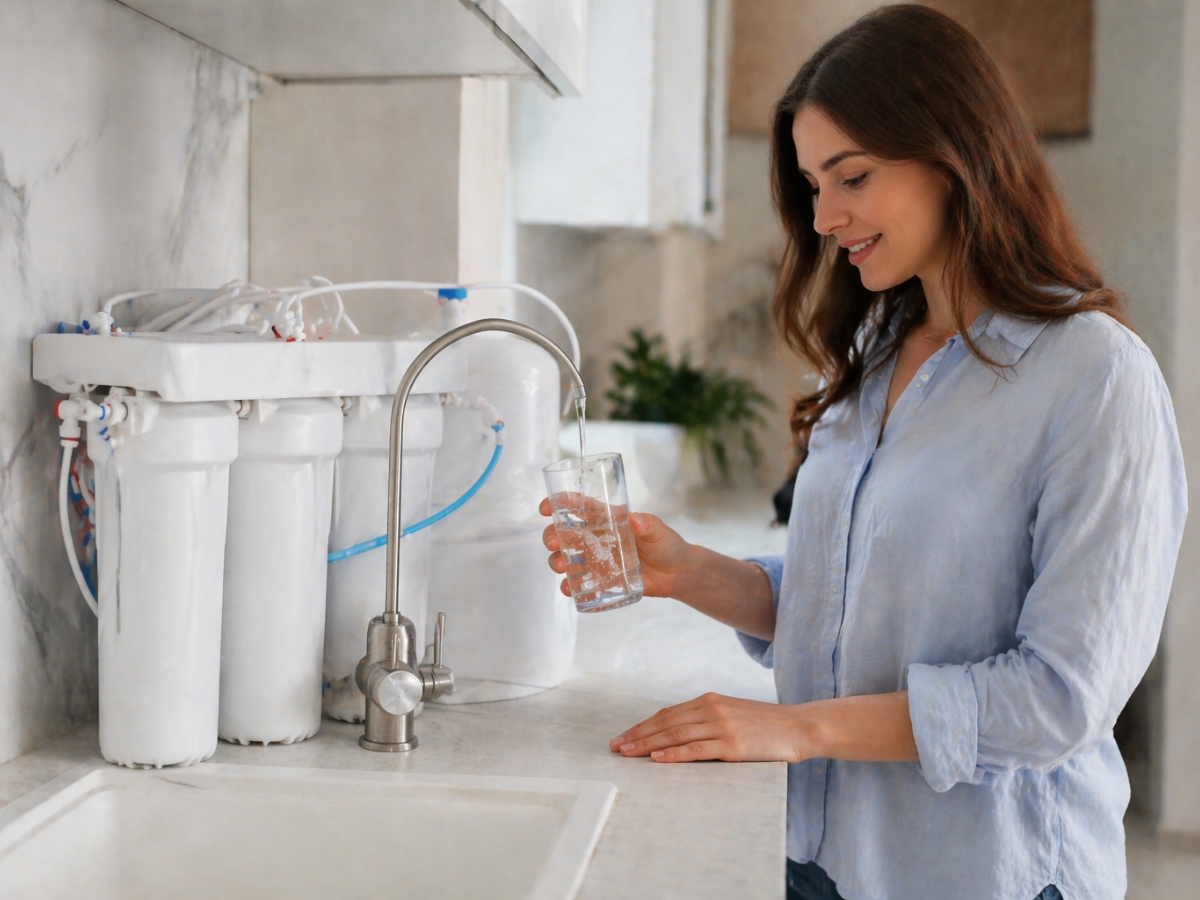
What comes out of your tap affects more than just taste. It impacts your health, your plumbing, and the lifespan of your appliances.
Many homeowners deal with chlorine, sediment, and other contaminants without realizing how much they influence daily use. Understanding the benefits of home water filtration systems can help you make a more informed decision about your water quality.
Whole-house water filter installation and maintenance provide a consistent solution by treating water at the point it enters your home. This means cleaner water for drinking, cooking, bathing, and cleaning, all from a single system.
With the right setup, you can improve water clarity, reduce buildup in pipes and fixtures, and create a more reliable source of clean water throughout your home.
Whole House Water Filtration Benefits and Maintenance
What Are The Key Types Of Home Water Filtration Systems?
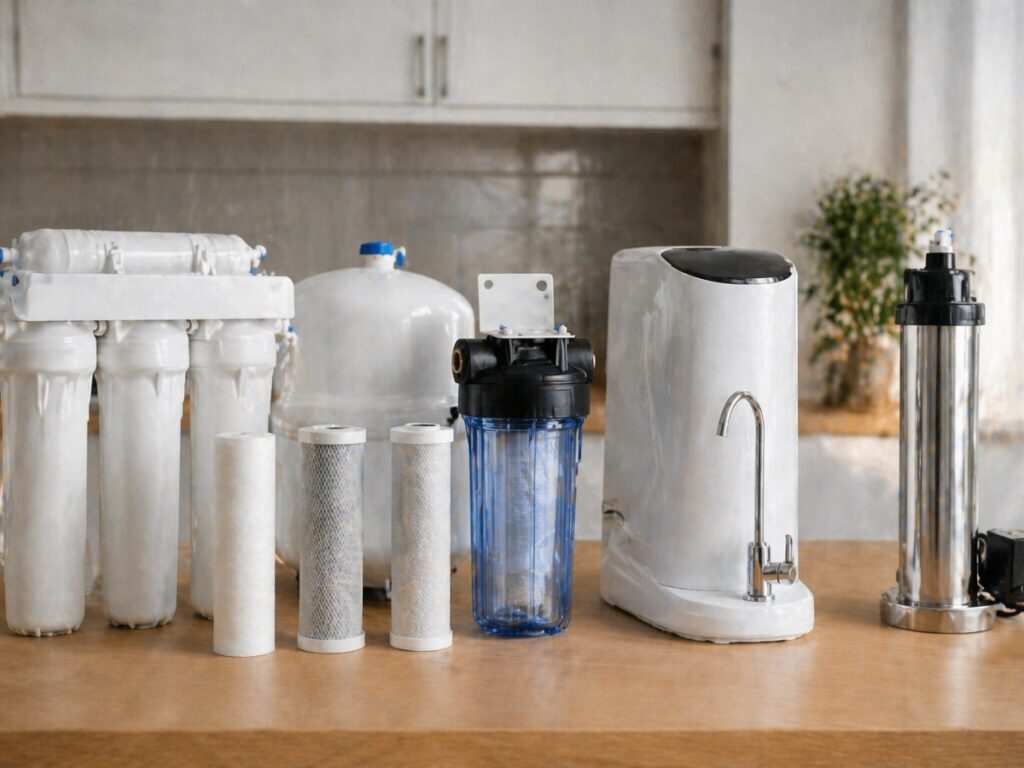
Choosing the right water filtration system starts with understanding how each option works and what it is designed to handle. Not all systems serve the same purpose, and the best choice often depends on the specific water concerns in your home.
The most common types include whole-house systems, under-sink filters, and reverse osmosis units. Each plays a different role in improving water quality.
Some focus on treating all the water entering your home, while others target drinking water at a single tap. Knowing how these systems differ makes it easier to select a solution that fits both your needs and your budget.
How Whole House Water Filtration Improves Everyday Use
A whole-house system takes a broad approach to water filtration by treating water at the point where it enters your home. This means every faucet, shower, and appliance receives filtered water, not just the kitchen sink.
These systems typically rely on multiple stages of filtration. Water often passes through a sediment filter first to remove larger particles like dirt or rust.
From there, carbon filters help reduce chlorine, odors, and certain chemicals that affect taste and smell. Some setups may also include additional treatments such as UV light or softening components, depending on the local water supply.
The benefit of this approach is consistency. Instead of addressing water quality in one area, the entire home experiences improved water conditions.
This can help extend the life of plumbing fixtures, reduce buildup in appliances, and create a more comfortable experience for daily use, especially when it comes to bathing and cleaning.
How Carbon Filters And Reverse Osmosis Systems Differ
While whole-house systems focus on coverage, carbon filters and reverse osmosis systems are more about precision.
These two types of water filtration are often used for drinking water, but they operate in very different ways. Carbon filters work through a process called adsorption, where contaminants attach to the surface of the carbon material.
This makes them especially effective at removing chlorine, unpleasant tastes, and certain organic compounds. They are commonly used in under-sink systems or pitcher-style filters because they are simple to maintain and relatively affordable.
Reverse osmosis systems take a more intensive approach. They push water through a semi-permeable membrane that blocks a much wider range of contaminants.
This includes dissolved solids, heavy metals, and some microorganisms. The result is highly purified water, though the process is slower and typically limited to a single tap.
Because of this, reverse osmosis is often chosen in areas where water quality is a bigger concern, while carbon filters are preferred for improving taste and odor in already treated water.
Choosing The Right Water Filtration Approach For Your Home
Selecting a system is less about finding the most advanced option and more about matching the system to your situation.
For example, a home with noticeable sediment or chlorine issues throughout the house may benefit from a whole-house setup. On the other hand, someone focused on drinking water quality may prefer a reverse osmosis unit at the kitchen sink.
It is also common to combine systems. A whole-house filter can handle general water quality, while a smaller reverse osmosis unit provides an extra level of purification for drinking water. This layered approach allows homeowners to address multiple concerns without overcomplicating the setup.
In the end, effective water filtration comes down to understanding what is in your water and choosing a system that addresses those concerns in a practical way.
What Are The Health And Environmental Benefits Of Clean Drinking Water?
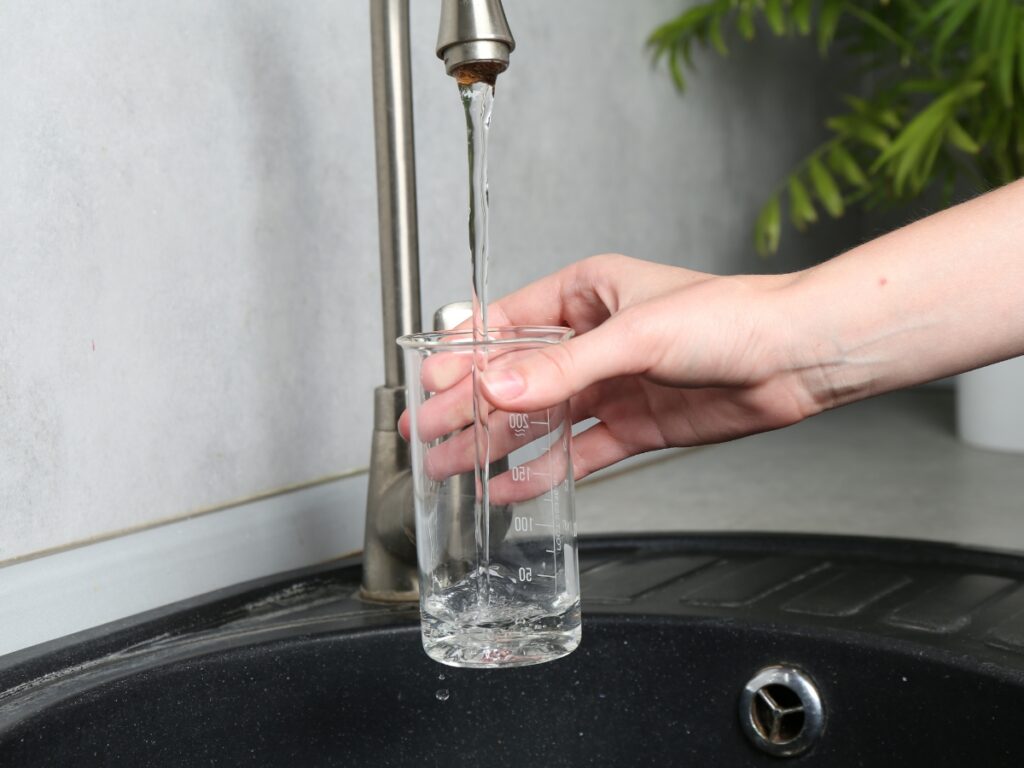
Access to clean drinking water plays a direct role in everyday health. When water is properly treated through water filtration, it reduces exposure to contaminants that can affect the body over time.
This can lower the risk of waterborne illnesses and support more consistent hydration, which is essential for digestion, circulation, and overall function.
Beyond personal health, there is also a broader environmental benefit. Households that rely on water filtration systems often reduce their dependence on bottled water.
Over time, this shift can significantly cut down on plastic waste. Instead of single-use bottles, filtered tap water becomes a reliable and more sustainable option for daily use.
These combined benefits make water filtration not just a convenience, but a practical long-term investment for both health and environmental impact.
How Water Filtration Targets Common Contaminants
Tap water can contain a range of substances depending on the source and local infrastructure. Two of the most commonly discussed are chlorine and lead, both of which serve a purpose in water systems but can pose concerns at higher levels.
Chlorine is widely used to disinfect municipal water, helping eliminate bacteria and other microorganisms.
While effective for sanitation, it can leave behind an unpleasant taste and may form byproducts when it reacts with organic material. Water filtration systems that use activated carbon are particularly effective at reducing chlorine and improving both taste and odor.
Lead presents a different kind of issue. It typically enters water through aging pipes or plumbing fixtures rather than the water supply itself.
Even low levels of exposure can be harmful, especially for children. More advanced water filtration methods, such as reverse osmosis, are designed to reduce heavy metals like lead and provide an added layer of protection.
By addressing these contaminants directly, water filtration helps create a more consistent and reliable source of clean drinking water within the home.
How Clean Water Supports Daily Health
The impact of cleaner water often becomes noticeable in subtle but meaningful ways. Many people report improvements in how water tastes, which naturally encourages better hydration. Staying properly hydrated supports energy levels, concentration, and digestion, making it easier to maintain daily routines.
There are also indirect benefits that come from reducing exposure to unwanted substances. For example, filtered water may contribute to healthier skin by minimizing contact with irritants found in unfiltered water. It can also support long-term wellness by lowering the intake of trace contaminants that accumulate over time.
While results vary depending on individual circumstances and water quality, the general trend is clear. Consistent access to cleaner water supports a healthier lifestyle in ways that extend beyond simple thirst.
Why Environmental Impact Matters In Water Choices
The environmental side of water use is often overlooked, but it plays an important role in how households manage resources.
Bottled water, while convenient, comes with a cost that extends beyond the purchase price. The production, transportation, and disposal of plastic bottles all contribute to environmental strain.
Switching to water filtration at home reduces the need for bottled alternatives. Over time, this change can lead to a noticeable reduction in household waste. It also reduces the energy required to produce and distribute packaged water.
In this way, water filtration supports a more sustainable approach without requiring major lifestyle changes. It offers a practical way to align everyday habits with broader environmental goals.
A Practical Shift Toward Cleaner Water
Choosing to use water filtration is often less about a single benefit and more about the combined impact. It improves water quality, supports better health habits, and reduces environmental waste, all within a system that fits into daily life.
As more households pay attention to both health and sustainability, the role of water filtration continues to grow. It provides a straightforward way to improve what is already a basic necessity, making clean water more accessible and reliable over time.g bodily functions and promoting optimal health.
How Does JW Plumbing Pros Ensure Expert Installation Of Water Filtration Systems In Georgia?
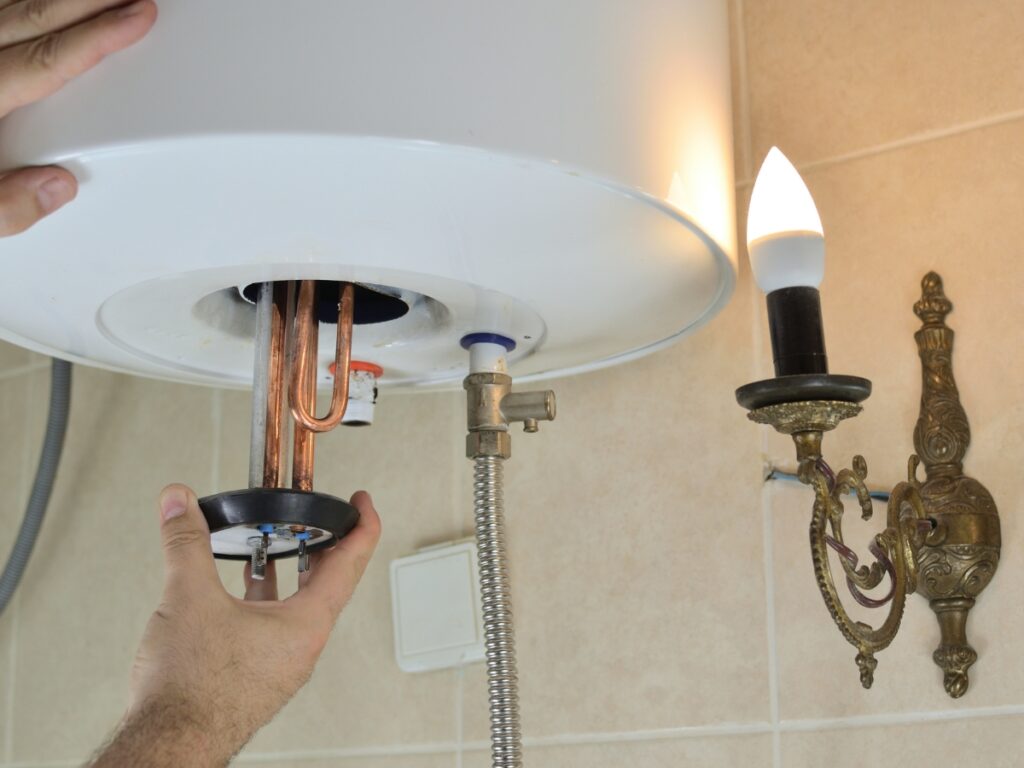
Installing a water filtration system is not just about connecting a unit to your plumbing. It requires a clear understanding of the home’s water supply, layout, and local requirements. JW Plumbing Pros approaches water filtration with this broader perspective, focusing on both performance and long-term reliability.
Their team works with homeowners to identify the right system based on water quality concerns, household size, and daily usage. This tailored approach helps ensure that the system installed is not only effective but also practical for the home it serves.
What Happens During A Whole House Water Filtration Installation?
A whole-house system is designed to treat water at the point it enters the home, so the installation process needs to be handled carefully. It typically begins with an on-site assessment.
During this step, the installer evaluates the existing plumbing and determines the best location for the system to ensure proper flow and accessibility.
Once the plan is in place, the water supply is temporarily shut off so the system can be connected safely. The installation itself involves integrating the filtration unit into the main water line, which allows it to treat all incoming water before it reaches faucets, showers, and appliances.
After installation, the system is tested to confirm that water is flowing correctly and that the filtration stages are functioning as intended.
Adjustments may be made to optimize pressure and performance. In most cases, the entire process can be completed within a few hours, though more complex plumbing layouts may take longer.
How Proper Installation Impacts System Performance
The effectiveness of water filtration depends heavily on how well the system is installed. Even a high-quality unit can underperform if it is not properly connected or calibrated. That is why professional installation plays such a key role in long-term results.
A correctly installed system maintains consistent water pressure, prevents leaks, and ensures that all filtration stages are working as designed. It also helps avoid issues like uneven flow or bypassing, where unfiltered water could enter the system.
By taking the time to install and test each component carefully, professionals help homeowners get the full benefit of their water filtration investment. This attention to detail can also extend the lifespan of the system and reduce the likelihood of future repairs.
Why Local Plumbing Code Knowledge Matters
Every region has its own plumbing standards, and these regulations are in place to protect both the home and the water supply. In Georgia, following local codes is especially important when installing systems that interact directly with the main water line.
Proper compliance helps prevent issues such as backflow, which can allow contaminated water to re-enter the supply. It also ensures that the system is installed in a way that supports safe operation over time.
JW Plumbing Pros brings local expertise to each installation, making sure that every system meets current requirements. This not only reduces risk but also gives homeowners confidence that their water filtration setup is both safe and dependable.
A Reliable Approach To Cleaner Water At Home
Choosing a professional installation service is about more than convenience. It is about ensuring that the system works the way it should from day one.
With a careful assessment, a structured installation process, and a strong understanding of local standards, JW Plumbing Pros provides a reliable path to better water quality.
For homeowners investing in water filtration, that level of care can make all the difference in how the system performs over time.
What Are Essential Water Filter Maintenance Tips For Longevity And Performance?
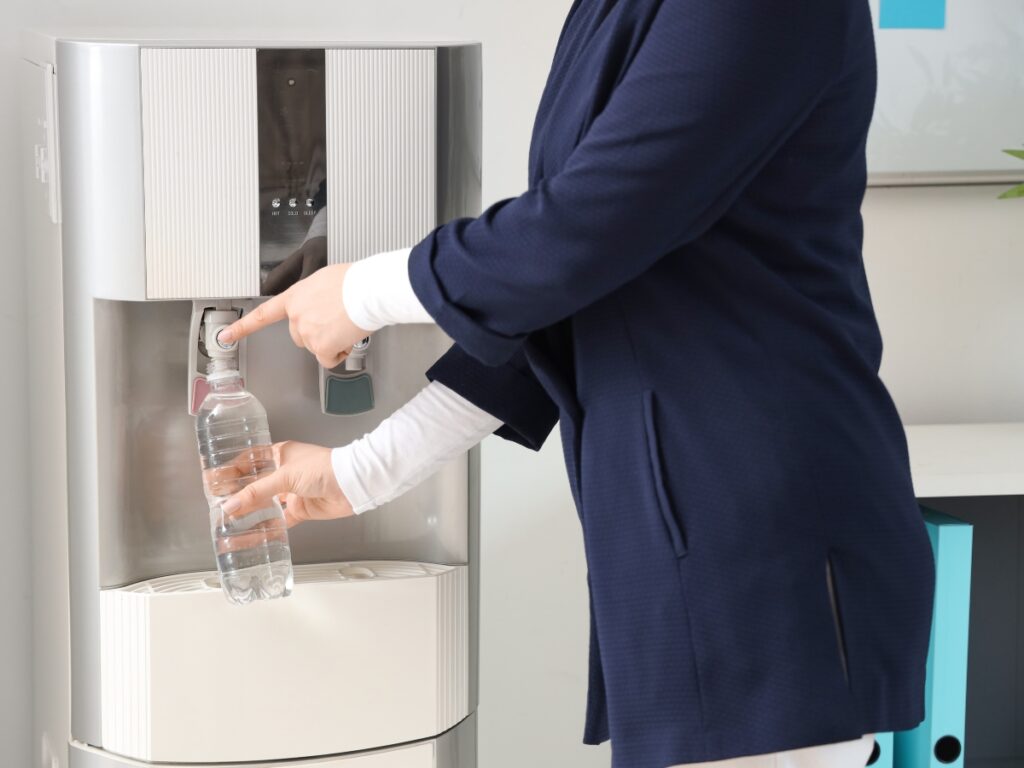
Keeping a water filtration system in good condition is just as important as choosing the right one. Over time, filters collect the very contaminants they are designed to remove, which means regular upkeep is necessary to maintain performance.
With consistent maintenance, homeowners can extend the life of their system and ensure that water quality remains reliable. Neglecting routine care can lead to reduced efficiency, changes in taste, or even the return of unwanted particles in the water.
A well-maintained system, on the other hand, continues to deliver the benefits that made water filtration a worthwhile investment in the first place.
How Replacement Timing Affects Filtration Quality
One of the most important aspects of maintenance is knowing when to replace filters. Each type of system has its own timeline, and following those recommendations helps prevent performance issues before they start.
Carbon filters, which are commonly used to reduce chlorine and improve taste, typically need to be replaced every six to twelve months. As they become saturated, their ability to absorb contaminants decreases.
Reverse osmosis systems operate differently, but their membranes still require periodic replacement, often every two to four years, depending on usage and water conditions.
It is worth noting that these timelines are general guidelines. Homes with higher water usage or more challenging water quality may need more frequent replacements. Paying attention to changes in water taste, odor, or flow can also help signal when a filter is nearing the end of its effectiveness.
Staying on schedule ensures that the water filtration system continues to perform at the level it was designed for, rather than gradually declining over time.
How Routine Checks Prevent Bigger Issues
Beyond filter replacement, simple inspections can go a long way in maintaining a system. Taking a few minutes to look over the unit periodically helps catch small issues before they turn into larger problems.
Homeowners should check for visible leaks, loose connections, or unusual noises coming from the system. These signs may indicate wear or minor damage that can be addressed early. Ignoring them can lead to more costly repairs or reduced filtration performance.
Routine checks also provide an opportunity to confirm that water pressure remains steady. A sudden drop in pressure can sometimes point to a clogged filter or a blockage within the system. Addressing these issues promptly keeps everything running smoothly.
Why Professional Maintenance Adds Long-Term Value
While many maintenance tasks can be handled at home, professional servicing offers an added layer of assurance. Scheduling an annual check with a qualified technician allows for a more detailed evaluation of the system.
Professionals can test water quality, inspect internal components, and make adjustments that are not always visible during routine checks. They can also identify early signs of wear that may not be obvious to the homeowner.
This type of maintenance is especially helpful for more complex systems, where multiple filtration stages need to work together. A professional inspection helps ensure that each part of the water filtration system is functioning as intended.
Keeping Water Filtration Consistent Over Time
Maintaining a system is ultimately about consistency. Regular filter changes, quick inspections, and occasional professional servicing all work together to support long-term performance.
When these habits are in place, water filtration remains effective without requiring constant attention. The system continues to deliver clean, reliable water while avoiding the gradual decline that can happen with neglect.
How Do Costs And ROI Influence Choosing The Best Water Filtration Brands?

When comparing water filtration systems, price is often the first thing people notice. However, the real value becomes clearer when you look beyond the initial cost and consider how the system performs over time.
A well-chosen setup can improve water quality, reduce ongoing expenses, and protect household systems, all of which contribute to long-term return on investment.
Instead of focusing only on upfront pricing, it helps to think about how the system will impact daily use, maintenance needs, and potential savings in other areas of the home.
What Determines The Cost Of A Whole House Water Filtration System?
The cost of installing a whole-house system can vary widely depending on the size of the home, the complexity of the plumbing, and the type of filtration being used.
In many cases, homeowners can expect installation to fall within a broad range, with simpler systems on the lower end and multi-stage setups on the higher end.
A more advanced water filtration system may include additional components designed to address specific concerns, such as sediment, chlorine, or heavy metals. While these features can increase the initial investment, they often provide more consistent results and require fewer adjustments over time.
Maintenance is another factor to consider. Filter replacements, periodic servicing, and occasional system checks all contribute to the overall cost.
While these expenses are ongoing, they are generally predictable and can be planned for in advance. Over time, consistent maintenance helps the system operate efficiently, which supports its long-term value.
How Water Filtration Contributes To Long-Term Savings
The return on investment for water filtration is often seen in indirect ways. For example, cleaner water can help reduce wear on appliances such as dishwashers, washing machines, and water heaters. When fewer contaminants are present, there is less buildup inside these systems, which can extend their lifespan.
There are also potential savings related to bottled water. Households that rely on filtered tap water often reduce or eliminate the need for packaged alternatives. Over time, this shift can lead to noticeable cost reductions while also simplifying daily routines.
Health-related benefits may also factor into ROI, though they are less easily measured. Access to cleaner water supports better hydration and reduces exposure to certain contaminants, which can contribute to overall well-being. While this is not always reflected in direct financial terms, it is still an important part of the value equation.
How Water Softeners Improve System Efficiency
In many homes, hard water is a separate issue that affects how well a water filtration system performs. Minerals such as calcium and magnesium can cause scale buildup, which may reduce efficiency and increase maintenance needs over time.
This is where water softeners come in. By reducing mineral content, they help create conditions that allow water filtration systems to operate more effectively. Pipes, fixtures, and appliances are less likely to develop buildup, which can improve water flow and reduce strain on the system.
When used together, softeners and filtration systems create a more balanced approach to water quality. Filtration focuses on removing contaminants, while softening addresses mineral content. This combination often leads to better overall performance and fewer long-term issues.
Balancing Upfront Cost With Practical Value
Choosing a system ultimately comes down to finding the right balance between cost and performance. A lower-priced option may seem appealing at first, but it may require more frequent maintenance or deliver less consistent results.
On the other hand, a higher-quality system may involve a larger initial investment but offer greater reliability over time. Water filtration is not just a one-time purchase.
It is an ongoing part of how a home manages water quality. By considering both immediate costs and long-term benefits, homeowners can make a decision that supports both their budget and their daily needs.
Conclusion
Investing in a home water filtration system is one of the simplest and most effective ways to ensure your family has access to clean, great-tasting drinking water while reducing reliance on bottled water and plastic waste.
From removing common contaminants like chlorine and lead to improving flavor and protecting your plumbing, the benefits extend far beyond the glass. For professional plumbing services tailored to your home’s needs, trust JW Plumbing Pros.
Ready to enjoy cleaner, healthier water at every tap? Call 770-635-5159 or request a free quote online today. Let our experienced plumbers help you choose and install the perfect filtration solution for your family’s health and peace of mind.