
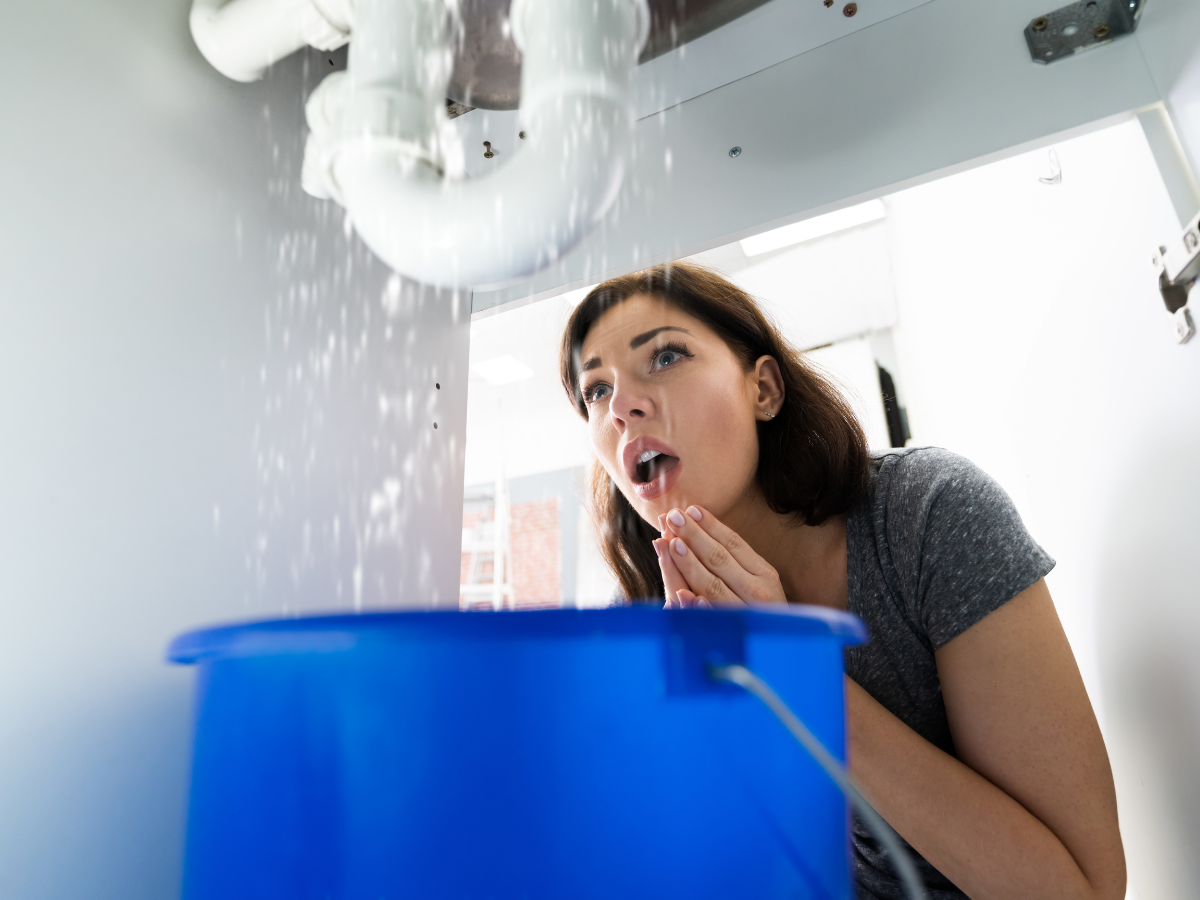
When a pipe bursts or a toilet begins overflowing, the worst time to figure out where your main water shutoff is located is while water is already spreading across the floor.
A few minutes of confusion can mean considerably more cleanup and property damage. Preparing for emergency plumbing situations gives homeowners a practical plan before stress takes over.
Knowing how to shut off the water, recognizing which problems require immediate attention, keeping basic supplies accessible, and having reliable professional contact information ready can make an unexpected leak or backup easier to manage.
You can’t prevent every plumbing failure, but you can control how prepared you are to respond. A little planning now can help you act quickly, limit avoidable damage, and make better decisions when a plumbing problem suddenly becomes urgent.
How to Prepare Your Home for an Emergency Plumbing Situation
What Does Preparing for a Plumbing Emergency Actually Accomplish?
Preparing for a plumbing emergency does not guarantee that a pipe will never burst, a toilet will never overflow, or a water heater will never leak.
What preparation can do is reduce the amount of time spent figuring out what to do after something goes wrong. That matters because the first few minutes of an emergency plumbing problem are usually about control.
Can you stop or reduce the water flow? Do you know which fixture or valve is involved? Can you move belongings out of the affected area safely? Do you already know who to contact if the problem cannot be handled with a simple shutoff?
A basic plan turns those questions into actions you have already thought through.
You Can Shut Off the Water Faster
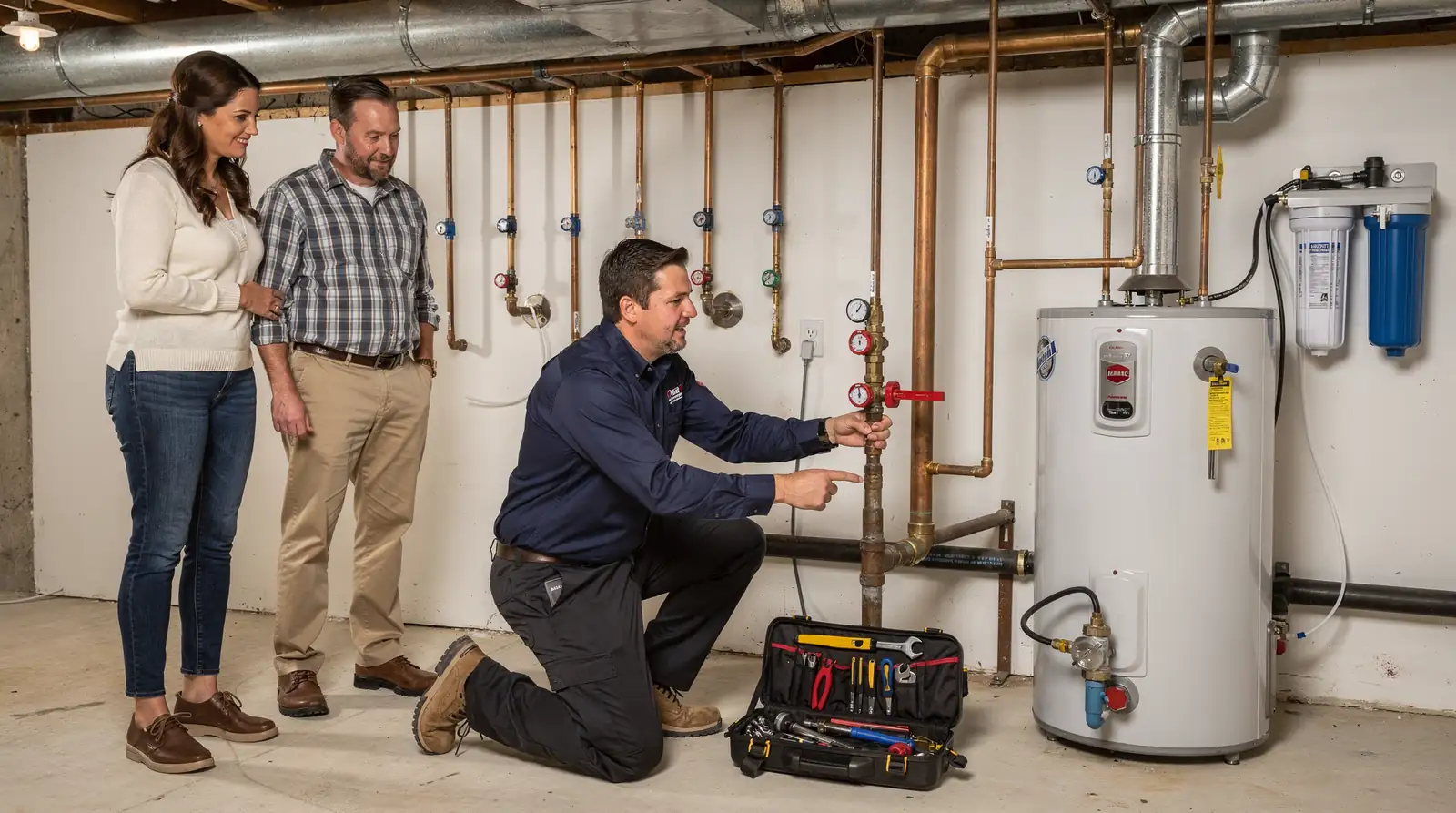
One of the most useful things a homeowner can do before an emergency is locate the home’s main water shutoff and the individual shutoff valves for sinks, toilets, washing machines, and other fixtures.
If a toilet supply line starts leaking, for example, shutting off that fixture may be enough to stop the immediate flow without cutting water to the entire house. A failed pipe or major water-line problem may require the main shutoff instead.
The goal is not to diagnose the repair yourself. It is to know how to stop additional water from entering the affected area while professional help is arranged.
Problems involving a damaged supply pipe, unexplained loss of water pressure, or water appearing where it should not may eventually require water line leak repair, but knowing how to isolate the water first can make the situation easier to manage.
You Can Limit How Far the Water Spreads
Water damage does not depend only on how serious the plumbing failure is. Duration matters too. An overflowing fixture caught immediately is a different problem from one that continues running while someone searches for the shutoff valve.
Water can reach flooring, drywall, cabinetry, insulation, furniture, and belongings, especially when the source is upstairs or near finished living areas. Preparation cannot eliminate that risk, but a faster response can reduce how long uncontrolled water is allowed to continue.
Keep a few basic items where they are easy to reach, such as:
- Towels or absorbent cloths
- A bucket or shallow container
- A flashlight
- Work gloves
- A wet/dry vacuum, if you already own one and it can be used safely
- Your plumber’s contact information
These supplies are not substitutes for repairs. They simply make the first response less improvised.
You Can Give the Plumber Better Information
A prepared homeowner can often describe the problem more clearly when calling for emergency plumbing help.
Instead of only saying that “water is everywhere,” you may be able to explain that the leak is coming from beneath the kitchen sink, the fixture valve has been closed, water has stopped, and there is no visible leak elsewhere.
Useful information can include:
- Where the water first appeared
- Whether the flow is continuous or intermittent
- Which shutoff valve has been closed
- Whether multiple fixtures are affected
- Whether water pressure changed suddenly
- Whether the problem involves hot or cold water
- Whether a drain is backing up or a supply line is leaking
Photos can also help document what you saw before cleanup begins, particularly if the leak is no longer active when service arrives.
You Can Make Better Decisions Under Pressure
Not every plumbing problem requires the same response. A dripping faucet can usually wait for a scheduled repair. A burst supply line, rapidly overflowing fixture, sewage backup, or uncontrolled leak needs faster action.
Preparing in advance helps homeowners distinguish between “this needs attention” and “I need to stop the water now.” That is particularly useful when a problem occurs at night, before work, or while the household is already dealing with something else.
If the issue requires professional diagnosis, residential plumbing repair may involve identifying leaks, broken pipes, fixture failures, drainage problems, or other causes that cannot be determined safely from symptoms alone.
Preparation Also Helps When You Are Away From Home
Emergency planning is useful even when no one is standing beside the leak. Make sure other adults in the household know where the main shutoff is located and how to operate it. If someone is house-sitting, consider showing them the valve as well.
Homeowners leaving for an extended trip may also want to check exposed plumbing, appliance supply lines, and visible areas around water heaters before leaving. The objective is simple: make essential information available to more than one person.
What Preparation Cannot Do
A preparedness plan cannot prevent every plumbing failure, and it should not encourage risky DIY repairs. Do not open walls, dismantle pressurized plumbing, handle sewage without appropriate protection, or work around electrical equipment in standing water simply because you want to contain the problem yourself.
The value of preparing for emergency plumbing is knowing the safe first steps: stop the water when possible, protect people and belongings, identify what you can observe, and contact the appropriate professional when the problem requires repair.
That is what preparation accomplishes. It does not make emergencies impossible. It makes the first few minutes more controlled, which is often the part homeowners can influence most.
What Should You Know Before Trouble Strikes?
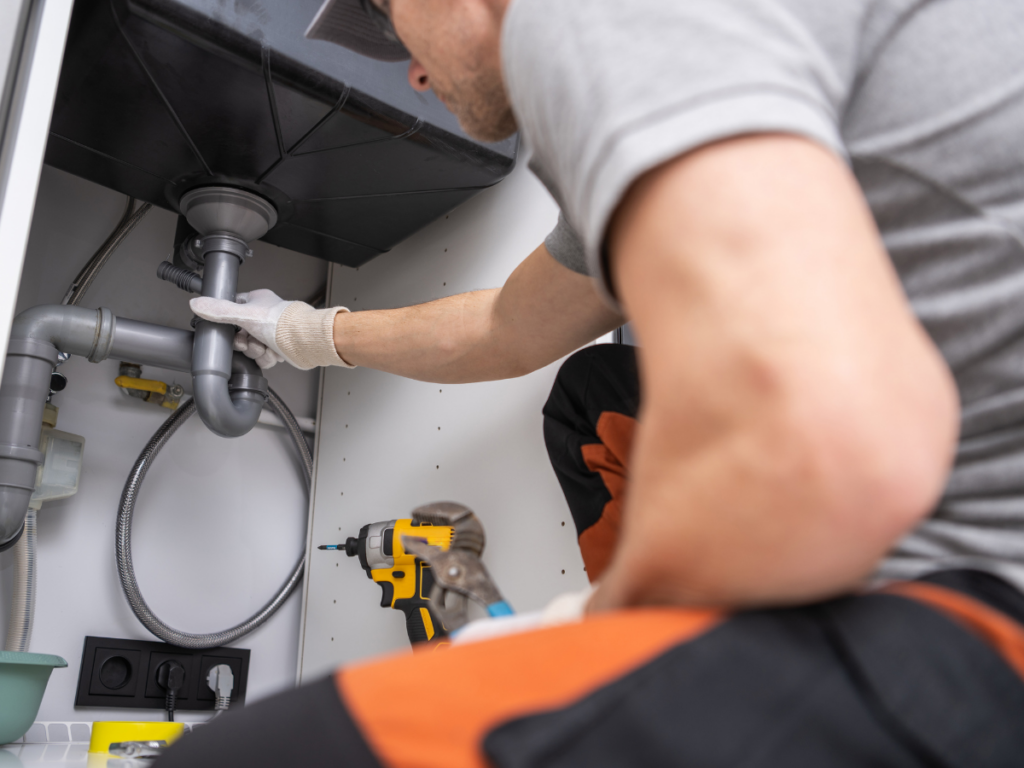
The best time to learn how your home’s plumbing works is before water starts appearing where it should not. Emergency plumbing preparation does not require tracing every pipe through the house or becoming your own plumber.
What matters is knowing how to stop water, recognizing which problems need immediate attention, and keeping a few essential details easy to find.
A short walkthrough of the house can establish that baseline. Locate the main water shutoff, identify the individual valves serving major fixtures and appliances, and make sure other adults in the household know where they are.
Those few steps are more useful in an emergency than trying to reconstruct the plumbing layout under pressure.
Find the Main Water Shutoff Before You Need It
The main shutoff controls the home’s incoming water supply. Its location varies by property, so do not rely on a generic description such as “next to the meter” and assume you will find it quickly later.
Depending on the home, the shutoff may be located in a basement, crawl space, utility area, garage, or near the point where the water service enters the building. Some properties also have a valve associated with the meter outside.
Once you find the correct household shutoff, make the location easy to remember. A label, photo, or note stored on your phone can help. Show other household members where it is as well.
Do not force a valve that is corroded, stuck, or difficult to operate. A damaged shutoff valve can create another plumbing problem instead of solving the first one.
Learn Which Fixtures Have Their Own Shutoff Valves
Not every leak requires shutting water off to the whole house. Toilets and sinks commonly have individual supply valves. Washing machines and some other water-using appliances also have dedicated shutoffs.
Knowing which valve controls a leaking fixture can allow the rest of the house to keep its water supply while the affected area is isolated.
Take a few minutes to locate valves for:
- Toilets
- Bathroom and kitchen sinks
- Washing machine supply lines
- Water heater supply, where accessible
- Outdoor plumbing where applicable
A leaking or overflowing toilet is a good example of why fixture-level shutoffs matter. Some toilet problems can be contained quickly at the supply valve, while repeated leaks or clogs may indicate a repair issue that needs closer attention.
Knowing when a toilet problem needs professional repair can help homeowners distinguish a simple interruption from a recurring plumbing problem.
Know What You Should Shut Off First
A plumbing emergency does not always mean “turn off everything.” If the leak clearly comes from one fixture and its local valve can be reached safely, that may be the first shutoff to use.
If a supply pipe has burst, the source cannot be identified, or water continues flowing despite closing a fixture valve, the main household shutoff may be necessary.
Safety comes first. If water is near electrical outlets, appliances, panels, or energized equipment, avoid entering standing water or reaching through it to access plumbing controls. Water containment should never require taking an electrical risk.
Keep Basic Plumbing Information in One Place
Emergency plumbing calls are easier when you can provide specific information instead of trying to remember details while dealing with water on the floor.
Keep a simple household plumbing note containing:
- The location of the main shutoff
- Photos of hard-to-find valves
- Your plumber’s phone number
- Water heater type and approximate age
- Any recent plumbing repairs
- Known recurring drain or pressure problems
- The location of the water meter if applicable
You do not need a detailed plumbing diagram. The goal is to make the information most likely to matter during an emergency easy to retrieve.
Check Supply Lines and Visible Plumbing Periodically
Some plumbing emergencies give warning signs before they become urgent. Occasionally look beneath sinks, around toilets, behind washing machines where accessible, and near the water heater for visible moisture, corrosion, staining, or damaged supply lines.
A slowly developing leak is generally easier to address before it becomes an uncontrolled one.
Water heaters deserve particular attention because leaks can originate from plumbing connections, valves, the drain pan, or the tank itself. Problems with hot water do not always mean the unit is leaking, so water heater troubleshooting can help separate performance issues from conditions that need repair.
Decide in Advance What Counts as an Emergency
One of the most useful parts of plumbing preparedness is knowing when normal troubleshooting should stop.
Situations that generally deserve prompt action include uncontrolled water flow, a burst supply line, sewage backing into the home, water near electrical equipment, a fixture overflowing faster than it can be contained, or a leaking water heater that cannot be isolated.
A slow faucet drip or a toilet that occasionally runs may still need repair, but it usually does not require the same response as active flooding.
That distinction helps emergency plumbing preparation do what it is supposed to do: reduce uncertainty. You know where the water controls are, which problems you can safely isolate, what information to provide, and when the situation has moved beyond a household fix and needs professional attention.
How Do You Shut Off the Water Fast?
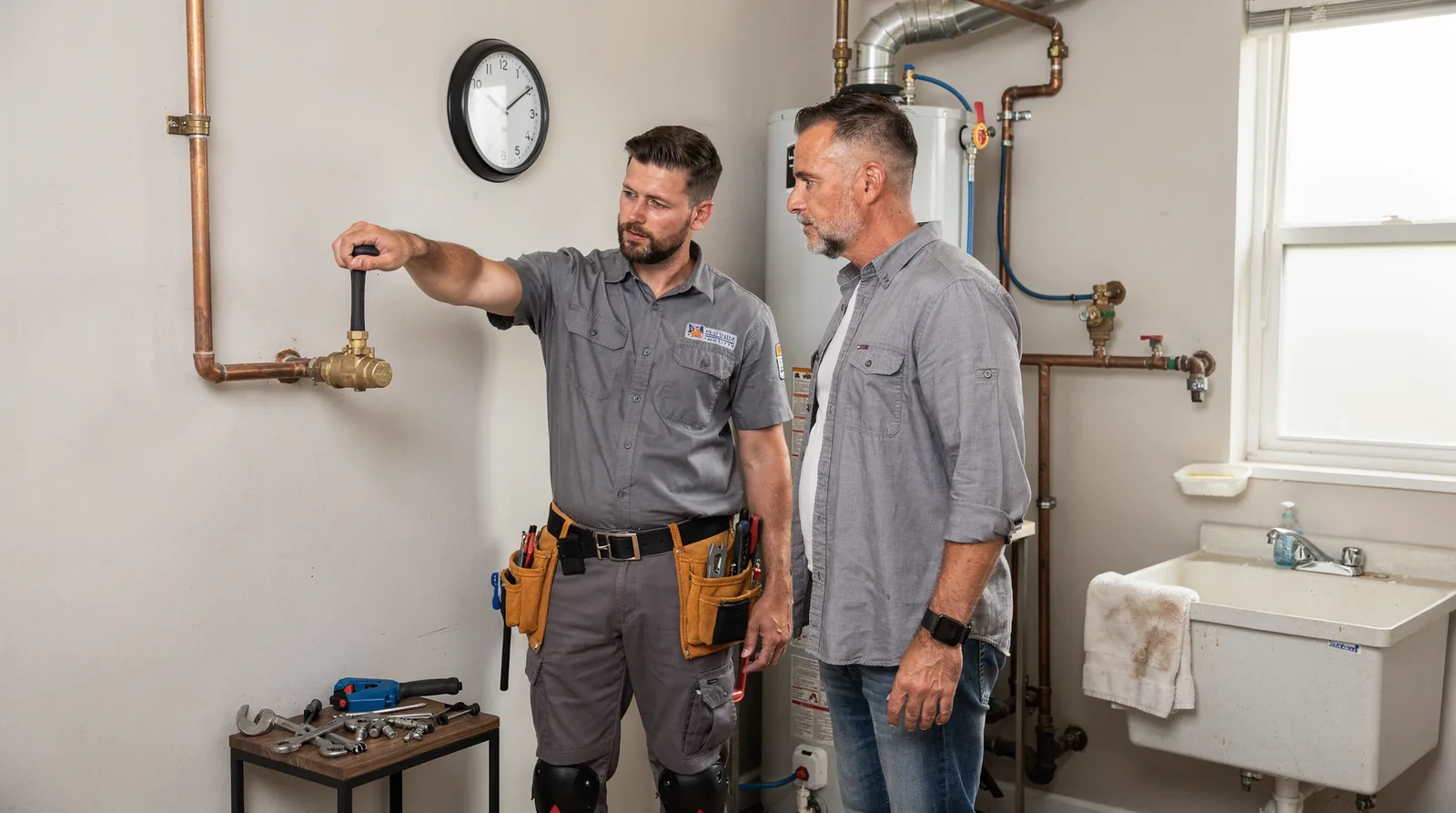
During an active plumbing leak, the first priority is stopping or reducing the flow of water without creating another hazard. That may mean closing a fixture-level valve, shutting off the home’s main supply, or stepping away entirely if water has reached electrical equipment.
Good emergency plumbing preparation makes this much easier. Homeowners who already know where their shutoff valves are do not have to search through a basement, crawl space, or utility room while water continues to spread.
Should You Shut Off the Fixture or the Whole House?
Start with the most specific valve that can safely stop the leak. If water is coming from a toilet supply line, sink connection, or another fixture with an accessible shutoff, closing that valve may contain the problem without interrupting water throughout the house.
Use the main household shutoff when:
- A supply pipe has burst
- The source of the leak cannot be identified
- A fixture valve does not stop the water
- Water is leaking inside a wall or ceiling
- Multiple fixtures appear to be affected
- The leak is too large to control locally
For a burst pipe, shutting off the main supply is one of the first steps in limiting additional water entering the damaged line. A clear burst-pipe response plan is especially useful during freezing weather, when pipe failures may occur in areas that are difficult to reach.
How Do You Close the Main Water Valve?
Main shutoff valves are not all operated the same way, so identify the type before an emergency occurs. A round gate-style valve usually closes by turning clockwise. A lever-style ball valve typically closes with a quarter turn until the handle is perpendicular to the pipe.
If the valve is heavily corroded, stuck, or requires excessive force, do not wrench it aggressively. Breaking an old shutoff valve can make the leak worse.
Once the valve has been closed:
- Open a nearby faucet briefly to see whether water pressure begins dropping.
- Check the leaking area to confirm that new water is no longer entering.
- Remember that some water already inside the pipes may continue draining for a short period.
- Leave the valve off until the source of the problem has been identified or repaired.
If the main valve does not stop the flow, professional or utility assistance may be necessary.
What Should You Do Immediately After the Water Is Off?
Once the incoming flow is controlled, shift from stopping the leak to protecting people and limiting the spread of water.
Move valuables, rugs, furniture, and other belongings away from the affected area when it is safe to do so. Towels, mops, buckets, and a wet/dry vacuum can help with clean-water spills if there is no electrical hazard.
Do not treat sewage backups the same way. Wastewater can contain harmful contaminants, so avoid direct contact and keep children and pets away from the affected area.
Electrical safety also takes priority over cleanup. If water has reached outlets, appliances, extension cords, or the electrical panel, do not stand in water to unplug equipment or reach the breaker box. If the electrical system cannot be accessed safely, stay clear of the area and seek appropriate professional assistance.
Do You Need to Turn Off the Water Heater Too?
Not after every plumbing emergency. If a sink supply line or toilet is leaking and the water heater remains full and unaffected, shutting down the heater may not be necessary.
It becomes more important when the water heater itself is leaking, the tank may lose water, or the home’s water supply will remain off long enough that there is uncertainty about whether the tank will stay completely full.
For an electric tank water heater, heating elements can be damaged if they operate without being submerged. If the tank may drain, turn off power at the breaker only if the panel can be reached safely.
For a gas water heater, follow the manufacturer’s shutdown instructions rather than improvising with gas controls. If you smell gas, leave the area and follow gas-emergency procedures instead of attempting repairs yourself.
Pooling water, corrosion, or moisture around the tank may indicate a failing connection or tank problem. Knowing the warning signs of water heater failure can help distinguish an isolated plumbing leak from a problem involving the appliance itself.
Should You Open Faucets After Shutting Off the Main?
Opening a faucet can help relieve remaining pressure in the plumbing after the main supply is closed.
You do not need to open every fixture in the house. A nearby faucet or one at a lower level may be enough to confirm that pressure is dropping. If the plumbing problem involves frozen pipes, however, the correct response can depend on where the frozen or damaged section is located.
Avoid repeatedly manipulating valves or fixtures if you do not understand how the system is configured. Once water flow has stopped, preserving that stable condition is usually more useful than continuing to troubleshoot aggressively.
What Information Should You Give the Plumber?
Once the immediate emergency plumbing problem is under control, provide a concise description of what happened.
Tell the plumber:
- Where you first saw water
- Whether the main or a fixture valve was closed
- Whether water stopped completely
- Whether hot or cold water was involved
- Whether a pipe, appliance, drain, or fixture appears to be the source
- Whether water reached walls, ceilings, flooring, or electrical equipment
- Whether you heard unusual noises or noticed pressure changes beforehand
Photos taken from a safe location can also preserve useful information before cleanup.
The purpose of a fast shutoff is not to complete the repair yourself. It is to stop additional water when possible, keep the area safe, and give the eventual repair a controlled starting point. That is one of the most useful forms of emergency plumbing preparation a homeowner can do before a leak ever happens.
How Do You Identify Your Emergency Type?
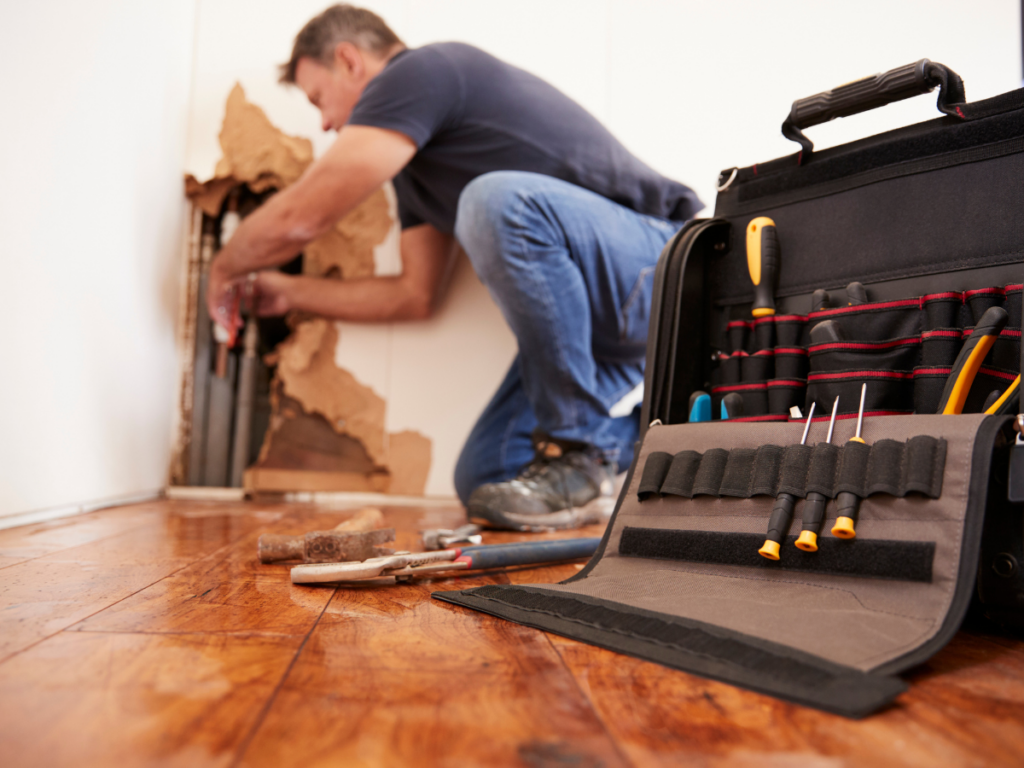
Not every plumbing problem needs the same response. A slow drain, a burst supply line, a sewage backup, and a sudden loss of water pressure can all feel urgent, but they point to different parts of the plumbing system and require different first steps.
Good emergency plumbing triage starts with two questions: Is water or wastewater actively damaging the home, and is there an immediate safety risk? Once those are answered, you can narrow down whether the problem involves drainage, a pressurized water line, a fixture, a water heater, or the home’s main supply.
What Signs Point to a Drain or Sewer Backup?
One slow sink is often a localized clog. Several slow drains at the same time suggest the problem may be farther downstream in a shared drain or sewer line.
Watch for patterns such as:
- Multiple sinks, tubs, or showers draining slowly
- Gurgling from toilets or drains
- Water backing up into a tub when another fixture is used
- Wastewater appearing at a lower-level drain
- Persistent sewer-like odors
Those symptoms deserve more attention than a single sluggish fixture. They do not always mean sewage is about to enter the home, but they can indicate that a shared line is struggling to drain properly.
If wastewater is already backing up into a tub, shower, toilet, or floor drain, stop using plumbing fixtures that feed the affected line. Running more water can add volume to an already restricted system. Understanding the warning signs of a developing drain clog can help homeowners recognize the difference between a small fixture problem and a broader drainage issue.
What Counts as an Active Water Emergency?
Pressurized leaks generally require faster action because water can continue entering the home until the supply is shut off.
Examples include:
- A burst supply pipe
- Water spraying from a broken fixture connection
- Water leaking through a ceiling
- A water heater releasing a significant amount of water
- A leak that continues after a fixture valve is closed
- Unexplained water running inside a wall or floor
In these situations, use the nearest safe shutoff valve or the main water shutoff if necessary. Do not spend time trying to identify the exact failed fitting while water continues to flow.
Once the supply is controlled, note where the leak appeared, whether it involved hot or cold water, and whether the flow stopped completely. Those details can make professional diagnosis much easier.
When Does a Plumbing Problem Become a Safety Emergency?
Some problems go beyond property damage. If you smell gas near a gas-fired water heater or another appliance, do not attempt to relight a pilot, operate switches, or troubleshoot the equipment yourself. Leave the area and follow the appropriate gas-emergency procedure for your utility or local emergency services.
Water near electrical equipment also changes the response. If standing water has reached outlets, appliances, extension cords, or the electrical panel, stay out of the affected area if accessing it would require entering water.
Sewage backups create another safety concern because wastewater can contain harmful contaminants. Keep people and pets away from the affected area and avoid handling contaminated water without appropriate protection. Emergency plumbing response should always prioritize people before property.
What Does Sudden Low or No Water Pressure Mean?
Low pressure can have several causes, and the pattern matters. If only one faucet has weak flow, the problem may be local to that fixture, aerator, cartridge, or supply connection.
If pressure suddenly drops throughout the entire house, the cause may involve the main shutoff, pressure regulator, municipal supply, or a significant leak.
Before assuming the worst, check whether neighbors are experiencing the same issue or whether utility work is underway. Also verify that the main shutoff has not been partially closed.
If there is no obvious external explanation and pressure has fallen throughout the home, look for other clues such as unexplained running-water sounds, wet areas, or changes at the water meter.
Persistent low water pressure throughout a home can point to issues ranging from restrictions and regulator problems to hidden leaks.
How Should You Prioritize Different Plumbing Problems?
A simple triage framework can make the decision clearer:
| Plumbing Problem | First Priority |
|---|---|
| Single slow drain | Limit use and troubleshoot the fixture |
| Several slow or gurgling drains | Reduce water use and investigate a shared-line blockage |
| Sewage backing into the home | Stop using affected fixtures and keep people away |
| Active supply-line leak | Shut off the local or main water supply |
| Burst pipe | Shut off the main water supply |
| Water near electrical equipment | Prioritize electrical safety and avoid standing water |
| Gas odor near a water heater | Leave the area and follow gas-emergency procedures |
| Sudden whole-house pressure loss | Check supply conditions, valves, and signs of a major leak |
This is more useful than treating every plumbing problem as either minor or catastrophic.
What Information Helps When You Call a Plumber?
Before making an emergency plumbing call, gather what you can safely observe.
Be ready to explain:
- Which fixtures are affected
- Whether the problem is getting worse
- Whether clean water or wastewater is involved
- Whether the main water supply has been shut off
- Whether multiple drains are affected
- Whether pressure changed throughout the home
- Whether the water heater or another appliance appears involved
- Whether there is any electrical or gas-related concern
You do not need to diagnose the failure yourself. The goal is to describe the pattern accurately enough that the urgency and likely part of the plumbing system can be identified.
Recognizing the emergency type does not replace professional diagnosis. It simply helps homeowners take the safest first step, avoid making the problem worse, and communicate more clearly when repair is needed.
How Do You Document Damage for Insurance?
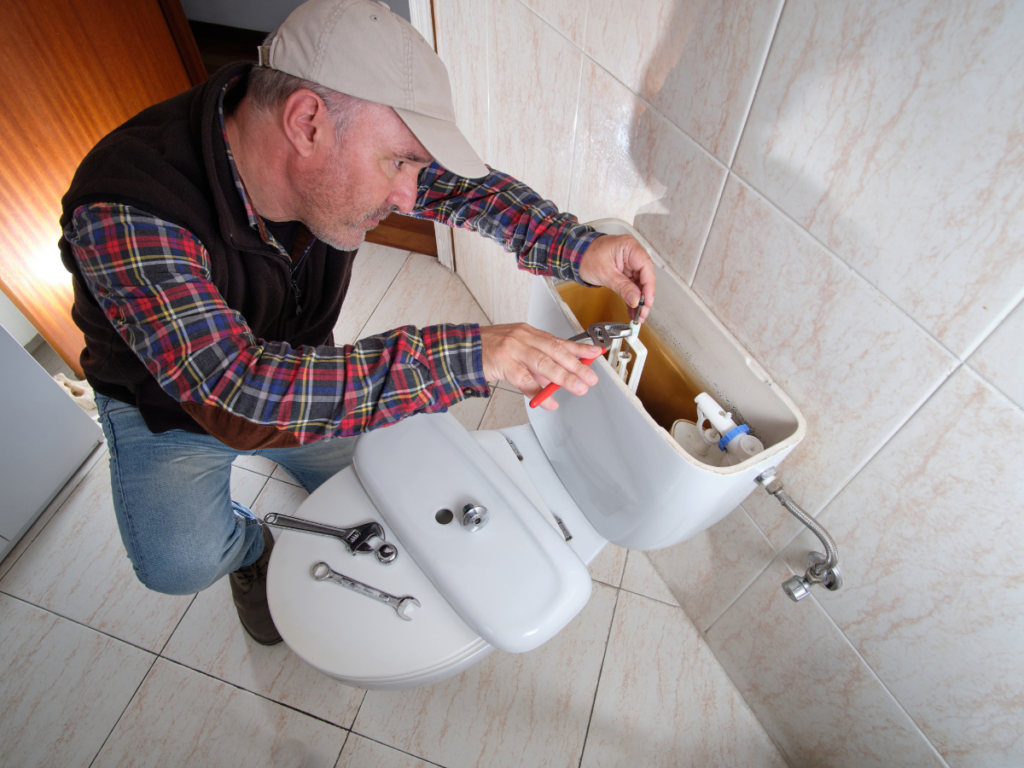
After an emergency plumbing problem is under control, documentation becomes the next priority. Photos, notes, receipts, and repair records can help show what happened, what was damaged, and what steps you took to prevent the situation from getting worse.
The goal is not to build an argument for guaranteed coverage. Insurance policies differ, and whether water damage is covered can depend on the source, timing, maintenance history, exclusions, and other policy terms. Good documentation simply gives the insurer and adjuster a clearer record to evaluate.
What Should You Photograph First?
If it is safe to enter the area, photograph the damage before major cleanup or permanent repairs begin.
Start with wide shots that show the affected room and the relationship between the plumbing source and surrounding damage. Then take closer photos of individual areas such as flooring, drywall, cabinetry, baseboards, furniture, or personal belongings.
Useful photos may include:
- The visible source of the leak, if accessible
- Standing water or wet areas
- Water stains on ceilings or walls
- Swollen or damaged flooring
- Damp cabinetry or trim
- Damaged furniture or belongings
- The shutoff valve that was used
- Any visibly broken pipe, fitting, fixture, or appliance connection
Take several angles rather than relying on one image. If water is actively moving or dripping, a short video can also preserve details that may no longer be visible once the supply is shut off.
Emergency plumbing documentation should never come before safety. Do not enter standing water near electrical equipment or delay shutting off an uncontrolled leak just to take photographs.
What Information Should You Write Down?
Create a simple timeline while the details are still fresh. Record when you first noticed the problem, where the water appeared, what was happening at the time, and what you did next. Note when the water was shut off and which valve was used.
Also document anything you observed before the failure, such as:
- Unusual noises
- Previous dripping
- Changes in water pressure
- Slow drainage
- A recent freeze
- Moisture or staining noticed earlier
- Problems with a water heater or appliance connection
Keep the description factual. Avoid guessing about the cause if a plumber has not yet identified it.
Should You Clean Up Before the Insurance Adjuster Arrives?
You should generally take reasonable steps to prevent further damage rather than leaving water in place simply for documentation.
That may include removing standing clean water, placing containers beneath a controlled drip, moving undamaged belongings, or arranging temporary repairs. Take photos first when it is safe and practical to do so.
Keep receipts for supplies, emergency services, temporary repairs, water extraction, or other mitigation expenses.
Insurance industry guidance also recommends avoiding extensive permanent repairs until the insurer has had an opportunity to assess the loss, unless delaying the work would create additional damage or safety concerns.
Do not throw away damaged items immediately unless keeping them creates a health or safety problem. Photograph them and check with the insurer about whether they need to be retained for inspection.
Why Does the Plumber’s Documentation Matter?
A plumber can document the plumbing portion of the incident more accurately than a homeowner can.
Ask for an invoice, service report, or written estimate that clearly identifies:
- The location of the plumbing failure
- What component was damaged or failed
- The work performed
- Parts or materials replaced
- Whether temporary or permanent repairs were completed
- Recommended follow-up work, if applicable
That record can help distinguish the plumbing repair itself from damage to flooring, drywall, cabinetry, or other parts of the home.
It may also help establish whether the event involved a sudden failure, a deteriorated component, or another condition, although the insurer ultimately determines how the policy applies.
Should You Contact the Insurance Company Before Making Repairs?
Contact the insurer or insurance agent as soon as reasonably possible after controlling the emergency.
Ask what documentation they need, whether an adjuster must inspect the property, and whether there are requirements for estimates or mitigation work. Policies and claim procedures differ, so do not assume the process will be identical to a previous claim or someone else’s experience.
Keep a record of:
- Claim numbers
- Names of representatives you speak with
- Dates and times of calls
- Instructions provided by the insurer
- Estimates and invoices
- Receipts for temporary repairs
- Photos and videos
- Lists of damaged personal property
Store copies digitally if possible so the records are not lost during cleanup.
What Should You Avoid Doing?
Documentation should be thorough, but it should not interfere with emergency response.
Avoid:
- Delaying a water shutoff to take photos
- Entering areas with electrical hazards
- Making permanent repairs before understanding the insurer’s requirements when the situation is stable
- Throwing away damaged property before documenting it
- Guessing about the cause of the plumbing failure
- Assuming a repair estimate guarantees insurance reimbursement
- Signing large restoration or repair contracts without reviewing the scope and payment terms
Emergency plumbing preparation is partly about knowing what to do after the immediate crisis has passed. Once the water is controlled, create a clear record, protect the property from additional damage, keep receipts, and let the plumber document the actual failure.
That combination gives homeowners a more organized starting point for both the repair process and any insurance claim that follows.
What Mistakes Should You Avoid, and Who Should You Call?
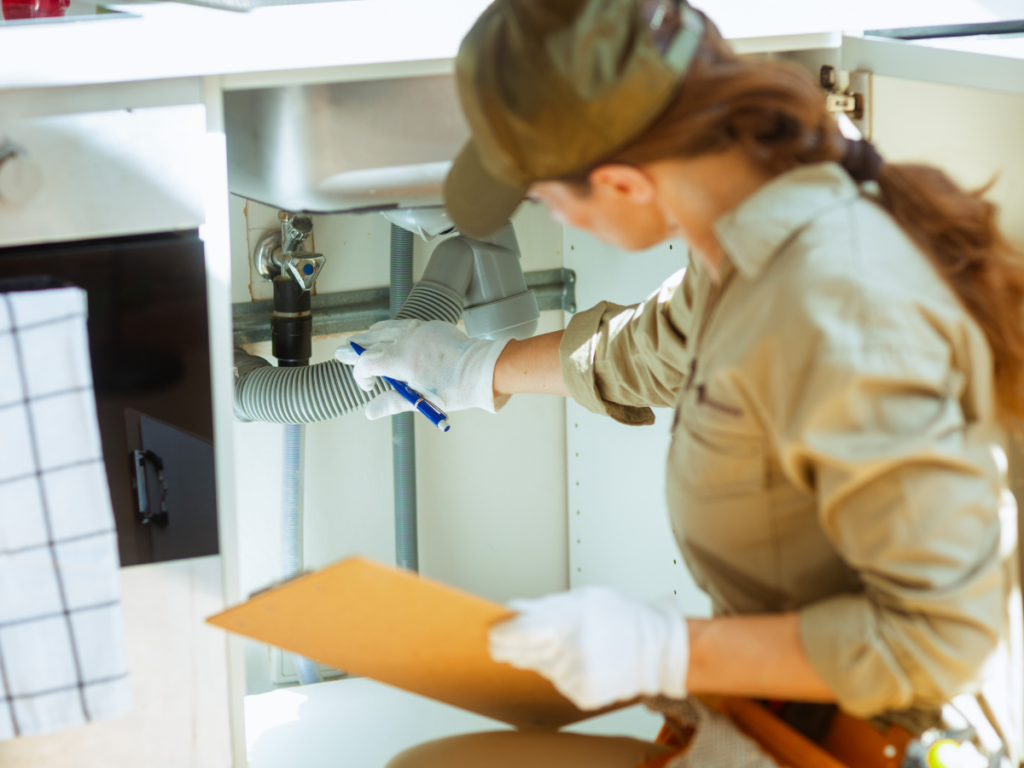
Once a plumbing problem is contained, the next decision is whether you can safely handle a minor repair or need professional help. Good emergency plumbing preparation includes knowing that boundary before water is spreading across the floor.
A homeowner may be comfortable replacing a faucet washer or plunging a simple toilet clog. A burst supply line, sewer backup, suspected gas leak, or concealed leak is different.
Those situations can involve pressurized water, contamination, inaccessible piping, or safety hazards that make trial-and-error repairs a poor choice.
Which DIY Plumbing Mistakes Can Make an Emergency Worse?
The biggest mistake is continuing to troubleshoot after the situation has moved beyond a basic household repair.
Avoid:
- Cutting into pipes without confirming what they serve. Plumbing may be concealed behind walls, floors, or ceilings alongside electrical wiring and other utilities.
- Forcing stuck valves or corroded fittings. Excessive force can break an old valve or connection and create a larger leak.
- Using chemical drain cleaners during a serious backup. They may not resolve a main-line obstruction and can leave caustic chemicals sitting in backed-up wastewater.
- Repeatedly running water to “test” a clogged system. If several fixtures are backing up, adding more water can worsen the overflow.
- Opening walls or ceilings beneath active leaks without considering electrical hazards.
- Attempting gas-line or gas-appliance repairs yourself. If you smell gas, leave the area and follow your gas utility or local emergency instructions first.
- Assuming a temporary fix is a completed repair. A bucket, clamp, or closed valve may control the immediate problem without addressing the failed component.
Minor plumbing work does have a place. A straightforward dripping faucet repair may be manageable for a homeowner who can safely isolate the fixture and identify the worn component. The key is recognizing when the problem no longer fits that category.
When Should You Stop Troubleshooting and Call a Plumber?
Professional evaluation is appropriate when the source cannot be safely identified or the plumbing failure affects more than one fixture or system.
Call for help when you are dealing with:
- A burst or split supply pipe
- Water that continues flowing after a fixture valve is closed
- Sewage entering tubs, showers, toilets, or floor drains
- Repeated backups affecting several fixtures
- A leaking water heater
- Sudden whole-house pressure loss accompanied by signs of a leak
- Water appearing inside walls, ceilings, or floors
- A shutoff valve that will not operate safely
- A problem that returns after a temporary repair
You should also stop DIY work when you are no longer confident about what you are touching. Knowing when not to continue is an important part of emergency plumbing preparedness.
Who Should You Call for Different Plumbing Emergencies?
The correct contact depends on the hazard.
For an active residential plumbing failure, such as a broken water line, leaking fixture connection, water-heater leak, or serious drain problem, contact a qualified plumbing professional.
If you smell gas, however, do not treat the situation as an ordinary plumbing service call. Leave the building and follow emergency instructions from the gas utility or local authorities. Once the immediate gas hazard has been addressed, any necessary appliance or gas-piping repair can be evaluated by an appropriately qualified professional.
Water around electrical equipment creates a similar distinction. Electrical safety may need to be addressed before plumbing work can proceed safely.
What Should You Ask When Calling an Emergency Plumber?
A useful emergency call should establish more than whether someone can come to the house.
Ask:
- How soon can the problem be evaluated?
- Is there an after-hours or emergency service charge?
- Can pricing or the diagnostic process be explained before repair work begins?
- Is the technician qualified for the type of plumbing involved?
- Will you receive a written estimate or authorization before substantial work begins?
- Are temporary repairs and permanent repairs priced separately if both are needed?
- What should you do with the water supply while waiting?
Avoid choosing solely on the promise of the fastest arrival. Availability matters, but so do clear communication, appropriate qualifications, transparent pricing, and a repair plan that addresses the actual cause rather than only the visible symptom.
JW Plumbing Pros lists residential plumbing repair, water-line work, drain cleaning, water-heater service, and toilet repair among its services, along with upfront pricing for plumbing repairs.
Should You Wait to See if the Problem Stops on Its Own?
That depends on whether the problem has actually stopped.
A faucet that drips slowly may be scheduled for repair. An overflowing toilet that stops after its supply valve is closed is contained, although the cause still needs attention. A pipe that continues leaking inside a wall or a drain that repeatedly backs wastewater into the home should not simply be monitored overnight.
The distinction is between contained and resolved. Turning off a valve may contain an emergency, but it does not repair the failed pipe, fixture, fitting, or appliance.
How Can You Prepare Before You Need to Make the Call?
Save the plumber’s contact information before an emergency happens and keep it with the household notes that identify your main water shutoff.
JW Plumbing Pros provides its current phone number, service-area information, and estimate request through its plumbing contact page. Keeping those details available means you do not have to search for a provider while managing an active leak.
Preparation does not mean calling a plumber for every drip. It means knowing which small problems you can safely handle, which warning signs require professional diagnosis, and which hazards require emergency services or a utility before plumbing repair even begins.
That boundary is one of the most useful parts of emergency plumbing planning. A homeowner who knows when to stop troubleshooting is less likely to turn a contained problem into a more complicated one.
Frequently Asked Questions About Emergency Plumbing
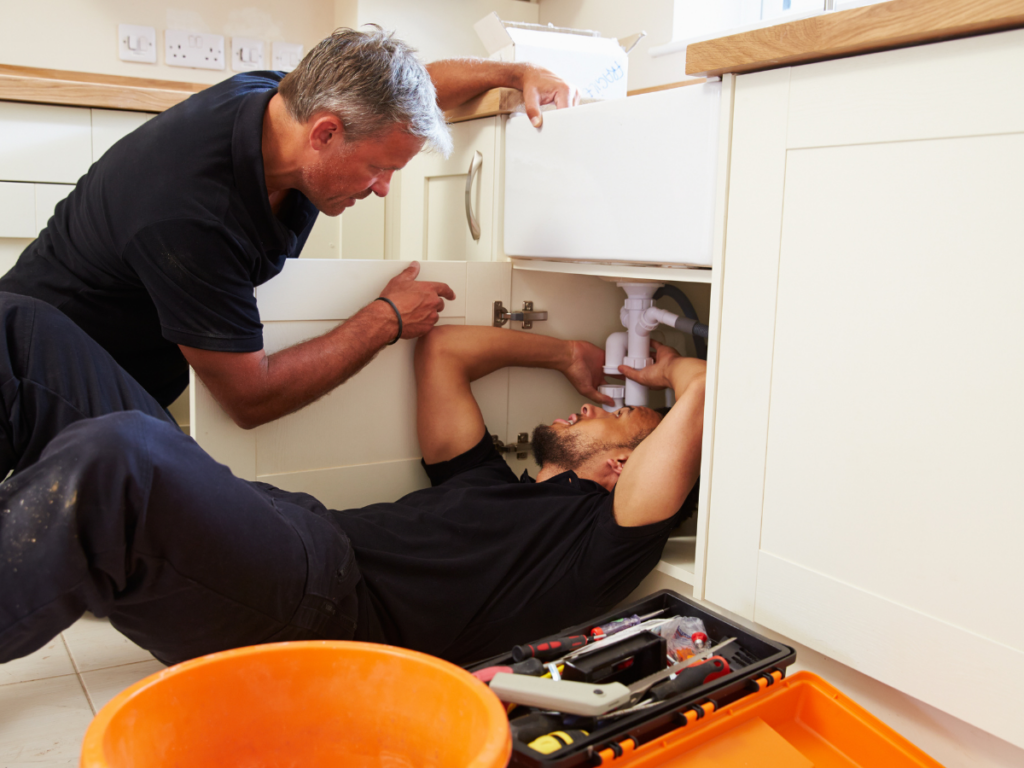
What Is the First Step During a Plumbing Emergency?
Start by identifying whether water is actively flowing and whether it is safe to approach the source.
If a sink, toilet, or appliance connection is leaking and has an accessible fixture shutoff, close that valve first. If a pipe has burst, the source is unclear, or the fixture valve does not stop the flow, use the home’s main water shutoff.
Do not delay a safe shutoff to take photos or diagnose the exact failure. Documentation can happen after uncontrolled water has been stopped.
If water has reached electrical outlets, appliances, or the electrical panel, avoid standing in the affected area and prioritize electrical safety before attempting cleanup.
How Do You Know Whether a Plumbing Problem Is an Emergency?
A problem generally becomes urgent when it involves uncontrolled water, wastewater entering the home, a serious loss of water service, or a safety concern.
Examples include:
- A burst or leaking supply pipe
- Sewage backing into tubs, toilets, or floor drains
- Water leaking through a ceiling or wall
- A leaking water heater that cannot be isolated
- A shutoff valve that will not stop an active leak
- Water near electrical equipment
- A suspected gas leak near a gas-fired appliance
A dripping faucet or single slow drain usually does not require the same response unless the problem suddenly worsens.
What Should You Do If Several Drains Back Up at Once?
Stop or reduce water use until you know what is causing the problem. Several slow, gurgling, or backing-up fixtures can indicate a restriction in a shared drain or sewer line rather than separate clogs at each fixture. Continuing to run showers, washing machines, or dishwashers may send more water toward the blockage.
If wastewater is already entering the home, keep people and pets away from the affected area. Professional drain cleaning in Dallas may be appropriate when multiple fixtures are affected or backups keep returning.
What Should You Do If a Water Heater Starts Leaking?
First determine whether the water heater is actually the source rather than a nearby plumbing connection.
If water is clearly escaping from the tank or its connections, shut off the heater’s water supply if the valve is accessible and safe to operate. If the tank may drain, an electric heater may also need its power switched off to prevent the heating elements from operating without sufficient water.
For gas-fired equipment, follow the manufacturer’s shutdown instructions. If you smell gas, leave the area and contact the appropriate gas utility or emergency service rather than attempting to troubleshoot the appliance yourself.
A leaking unit may need water heater repair in Dallas depending on whether the problem involves a valve, connection, internal component, or the tank itself.
How Quickly Should You Call a Plumber?
Base the timing on the condition, not on an arbitrary number of minutes. Call promptly when water continues to flow despite your efforts to contain it, sewage is backing into the home, a concealed leak is suspected, or an essential plumbing system cannot be safely restored.
If the water has been successfully isolated and no further damage is occurring, the situation may be contained even though it still needs repair.
Before calling, note what happened, which valve you closed, whether the water stopped, and what fixtures or areas are affected. That information helps explain the problem more clearly.
What Should You Document for an Insurance Claim?
Once the immediate emergency plumbing issue is safely controlled, document the condition before major cleanup when practical.
Take wide photos of affected rooms and close-ups of visible damage. Record when the problem was discovered, where water first appeared, and what you did to stop it.
Keep:
- Photos and videos
- Plumbing invoices and estimates
- Receipts for cleanup or temporary repairs
- Notes from conversations with the insurer
- A list of damaged belongings
- Claim numbers and adjuster information
Take reasonable steps to prevent additional damage rather than leaving water in place simply for documentation. Coverage ultimately depends on the policy and the cause of loss, so photos and receipts support the claim but do not guarantee payment.
Should You Try to Repair the Problem Yourself?
Simple, isolated issues may be manageable if you understand the fixture and can work safely.
Emergency plumbing problems involving pressurized lines, sewer backups, gas appliances, concealed piping, or extensive water intrusion are different. Avoid cutting into walls or pipes, forcing corroded valves, opening gas components, or repeatedly running water through a clogged system to test it.
A temporary measure such as closing a valve may control the situation without repairing the underlying failure.
What Information Should You Have Ready Before Calling a Plumber?
You do not need a diagnosis. A clear description is more useful than guessing.
Be prepared to say:
- Where the problem started
- Whether clean water or wastewater is involved
- Which fixtures are affected
- Whether the main water supply is off
- Whether the leak stopped
- Whether water pressure changed
- Whether a water heater or appliance is involved
- Whether there are electrical or gas concerns
Good emergency plumbing preparation is mostly about reducing uncertainty. Know how to stop the water, recognize hazards, document what happened, and understand when the problem has moved beyond a safe DIY response.
Conclusion
Preparing for a plumbing emergency before one happens can help you respond faster and limit damage to your home.
Knowing where the main water shutoff is located, keeping basic supplies accessible, watching for early warning signs, and having a trusted plumber’s contact information ready can make unexpected leaks, backups, or pipe problems easier to manage.
Preventive maintenance can also help identify developing issues before they turn into urgent repairs.
For dependable emergency plumbing and professional plumbing services, choose JW Plumbing Pros. If you want to address a plumbing concern before it becomes an emergency, call 770-635-5159 to speak with the team at JW Plumbing Pros or fill out the online form to request your free quote today.