

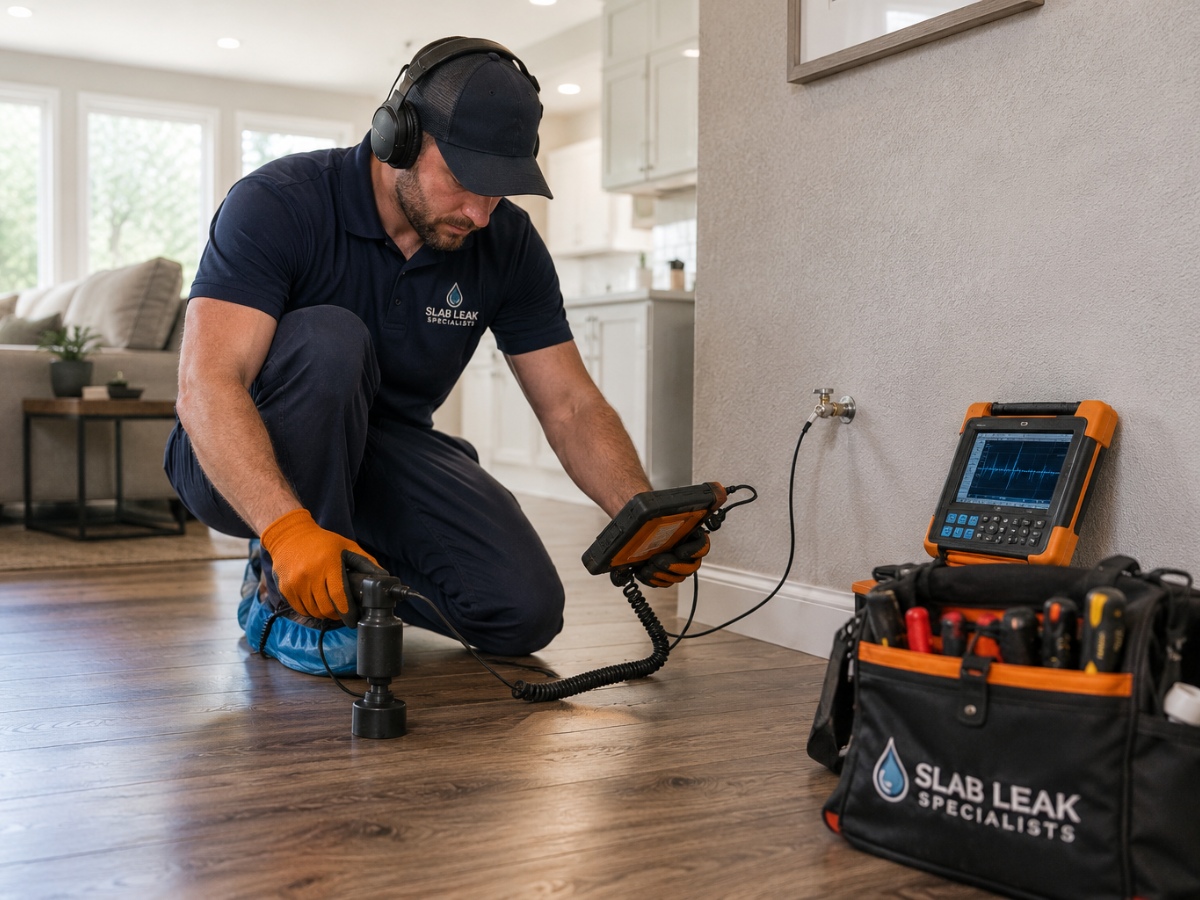
A slab leak can remain hidden beneath your home’s foundation for weeks or even months, causing water damage, rising utility bills, and structural problems before any obvious signs appear.
Because these leaks occur underground, identifying the source often requires specialized equipment and professional expertise. Acting quickly is essential to limit damage and avoid more extensive repairs.
Expert slab leak repair and detection services use advanced diagnostic tools to locate underground water leaks with minimal disruption to your property.
From pinpointing hidden pipe failures to recommending the most effective repair method, professional solutions help restore your plumbing system while protecting your home’s foundation.
This guide explains the warning signs of slab leaks, how modern detection methods work, and why prompt repair is critical for preventing costly long-term damage.
How Slab Leak Repair Protects Your Home From Water Damage
What Causes Slab Leaks and Why Do They Matter?
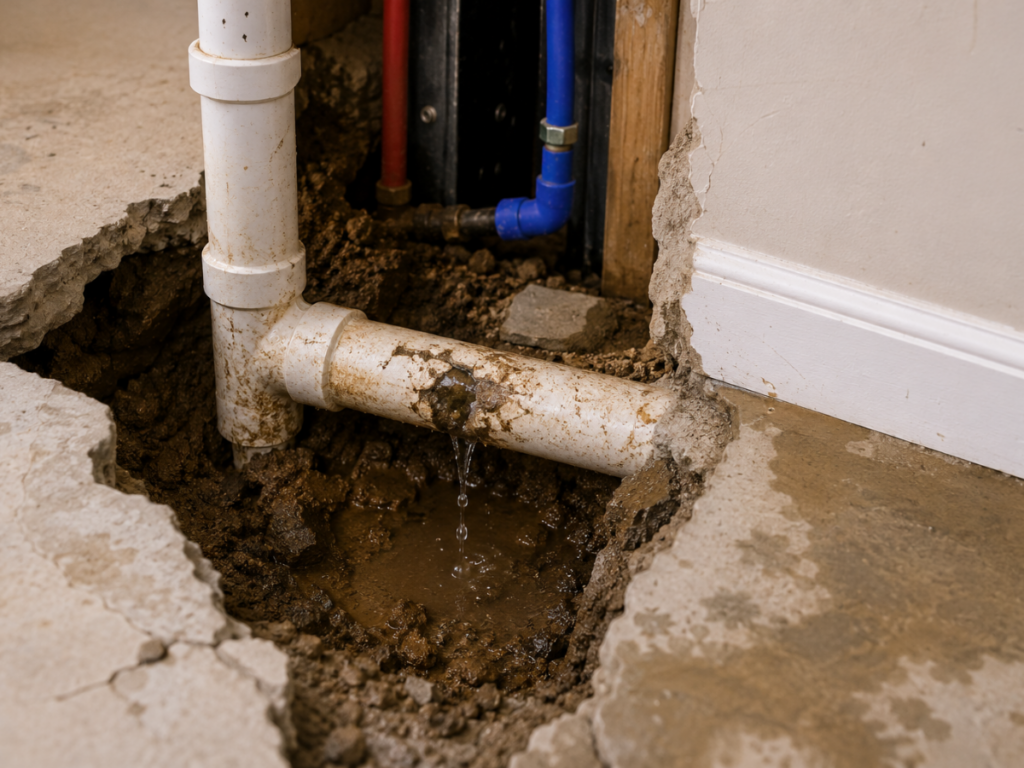
A slab leak occurs when a water pipe running beneath your home’s concrete foundation develops a leak. Because the plumbing is hidden below the slab, these leaks often go unnoticed until they begin causing visible damage or unusually high water bills.
Prompt slab leak repair is essential because even a small leak can weaken your foundation, damage flooring, and create conditions for mold growth.
Slab leaks develop for several reasons. Aging plumbing systems naturally wear over time, while corrosion can gradually weaken metal pipes from the inside out.
Shifting soil, foundation movement, poor installation practices, or excessive water pressure can also place stress on underground pipes, eventually causing cracks or pinhole leaks.
Since the source of the problem is hidden beneath concrete, professional leak detection is often needed to locate the damaged section without unnecessary demolition.
How Underground Pipe Leaks Damage Your Foundation
A leaking pipe beneath a concrete slab affects much more than the plumbing itself. As water continuously escapes, it saturates the surrounding soil, changing the way the foundation is supported.
Over time, this excess moisture can wash away soil beneath portions of the slab while causing expansion in other areas, depending on the soil type. These uneven movements place stress on the concrete and can eventually lead to:
- Foundation cracks
- Uneven or sloping floors
- Cracked tile or hardwood flooring
- Separation around walls, windows, or doors
- Structural instability if the leak continues unchecked
Moisture can also migrate upward through the slab, damaging flooring materials, baseboards, drywall, and insulation while creating an ideal environment for mold and mildew.
The longer a leak remains unrepaired, the more extensive and expensive the resulting repairs can become. That’s why early slab leak repair is often far less costly than waiting until structural damage develops.
Common Signs You May Need Slab Leak Repair
Because slab leaks occur beneath your home, the warning signs are often subtle at first. Paying attention to small changes can help you catch the problem before significant damage occurs.
Some of the most common indicators include:
| Warning Sign | What It May Mean |
|---|---|
| Unexplained increase in your water bill | Water is continuously leaking beneath the foundation. |
| Warm or damp spots on the floor | A hot or cold water line may be leaking beneath the slab. |
| Low water pressure | Water escaping underground reduces pressure throughout the plumbing system. |
| Cracks in flooring or foundation | Soil movement caused by water can shift the concrete slab. |
| Mold, mildew, or musty odors | Hidden moisture is accumulating beneath flooring or inside walls. |
| Sound of running water when fixtures are off | Water may be flowing from an underground leak. |
While any one of these symptoms doesn’t automatically confirm a slab leak, multiple warning signs occurring together should be investigated promptly.
Why Water Bills Often Reveal Hidden Leaks
One of the earliest clues homeowners notice is a sudden increase in monthly water usage without any change in household habits.
Unlike a dripping faucet or leaking toilet that may be easy to spot, a slab leak can waste hundreds of gallons of water underground every day. Since the leak is hidden beneath the foundation, many homeowners don’t realize there’s a problem until utility costs rise significantly.
Monitoring your water bill and checking your water meter when no fixtures are running can help identify unexplained water loss before major damage occurs.
When to Call a Professional
If you suspect a slab leak, avoid delaying an inspection in hopes that the problem will resolve itself. Underground leaks never improve on their own, and continued water exposure can increase repair costs over time.
Professional plumbers use specialized equipment such as acoustic listening devices, thermal imaging cameras, moisture meters, and pressure testing to locate leaks with minimal disruption to your home.
Once the leak has been identified, they can recommend the most appropriate slab leak repair method, whether that involves spot repair, pipe rerouting, or repiping sections of the plumbing system.
Early detection and timely slab leak repair protect your home’s foundation, reduce water waste, and help prevent secondary damage to flooring, walls, and structural components. By recognizing the warning signs and acting quickly, homeowners can often avoid far more extensive and expensive repairs later.
Why You Should Never Ignore a Suspected Slab Leak
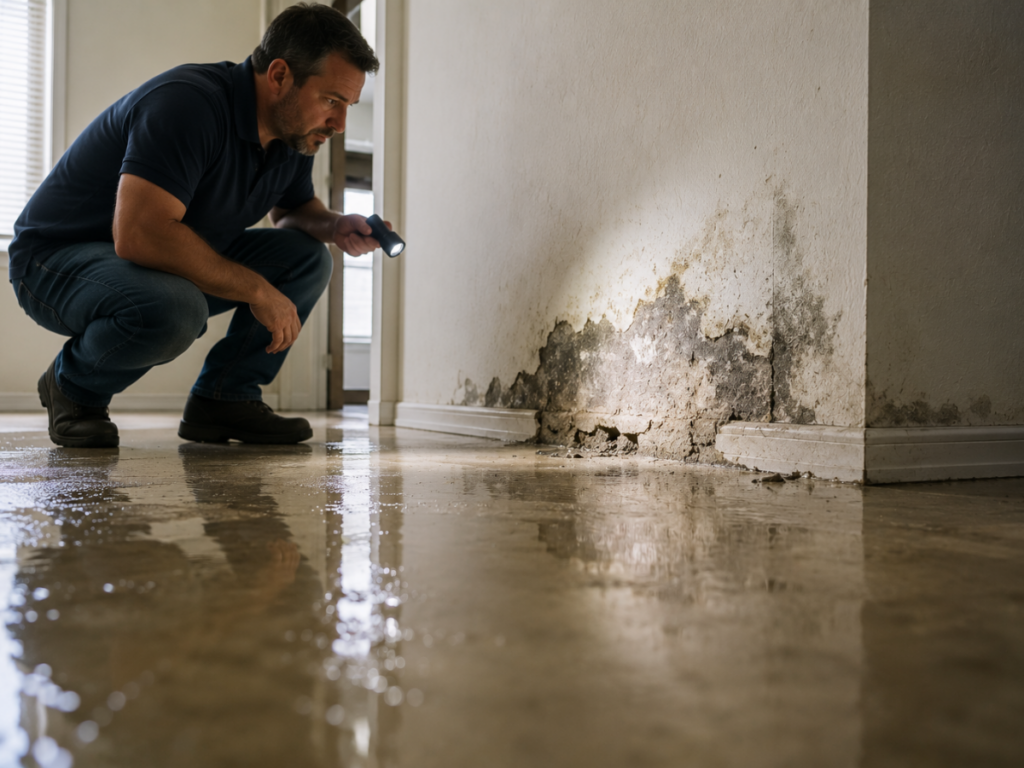
A slab leak rarely stays small for long. What begins as a minor leak beneath your home’s foundation can gradually develop into a much larger problem, affecting structural stability, indoor air quality, flooring, and plumbing performance.
Because the damaged pipe is hidden beneath concrete, it’s easy to overlook the warning signs or assume they can wait until a more convenient time. Unfortunately, underground leaks continue to waste water and erode the surrounding soil every day they remain unrepaired.
Scheduling slab leak repair as soon as a problem is suspected helps limit damage, reduces repair costs, and protects one of your home’s most important structural components: its foundation.
The Risks of Delaying Slab Leak Repair
Water escaping beneath a concrete slab affects much more than the plumbing system itself. As moisture accumulates beneath the foundation, it can create a chain reaction of structural and moisture-related problems.
Potential consequences of delaying repairs include:
| Problem | Why It Happens |
|---|---|
| Foundation movement | Water changes soil moisture levels, allowing sections of the slab to shift or settle unevenly. |
| Flooring damage | Moisture can warp hardwood, loosen tile, damage carpet, and stain flooring materials. |
| Mold and mildew | Hidden moisture creates ideal conditions for fungal growth beneath flooring and inside walls. |
| Higher water bills | Even a slow leak can waste a significant amount of water over time. |
| Plumbing deterioration | Ongoing leaks may indicate aging pipes that require additional repairs. |
The longer water remains beneath the slab, the more extensive the damage can become. In many cases, repairing a small leak early costs far less than restoring damaged flooring or addressing foundation issues later.
Early Detection Helps Minimize Repair Costs
One of the biggest advantages of finding a slab leak early is having more repair options.
When a leak is discovered before widespread damage occurs, plumbers can often make a localized repair or recommend a targeted solution that minimizes disruption to your home.
Waiting until structural damage develops may require more extensive plumbing work along with repairs to flooring, drywall, or the foundation itself.
Early slab leak repair also reduces water waste, helping homeowners avoid months of unnecessarily high utility bills while protecting valuable building materials from prolonged moisture exposure.
Choosing the Right Slab Leak Repair Solution
Not every slab leak requires the same repair approach. The best solution depends on the location of the leak, the condition of the plumbing system, and whether multiple leaks have developed over time.
Common repair options include:
| Repair Method | Best Used When |
|---|---|
| Spot repair | A single, easily accessible section of pipe is leaking. |
| Pipe rerouting | The damaged line can be bypassed with new piping installed around the slab. |
| Pipe replacement | A section of deteriorated pipe has reached the end of its service life. |
| Whole-home repiping | Multiple leaks or widespread corrosion make repeated repairs impractical. |
A licensed plumber will evaluate factors such as pipe material, leak location, accessibility, and the overall condition of the plumbing system before recommending the most appropriate solution.
Preventing Future Slab Leaks
While not every slab leak can be prevented, routine plumbing maintenance can reduce the likelihood of future problems.
Homeowners can help protect their plumbing system by:
- Scheduling periodic plumbing inspections, especially in older homes.
- Monitoring water pressure and installing a pressure regulator if necessary.
- Addressing small plumbing leaks before they worsen.
- Watching for unexpected increases in water usage.
- Replacing aging or heavily corroded piping when recommended.
These proactive steps can identify developing issues before they become major repairs and help extend the lifespan of your home’s plumbing system.
Fast Action Protects Your Home
When homeowners notice signs such as warm floors, unexplained water bills, damp flooring, or the sound of running water behind walls or beneath the slab, it’s important to arrange a professional inspection as soon as possible.
How Professionals Detect Hidden Slab Leaks Without Unnecessary Damage
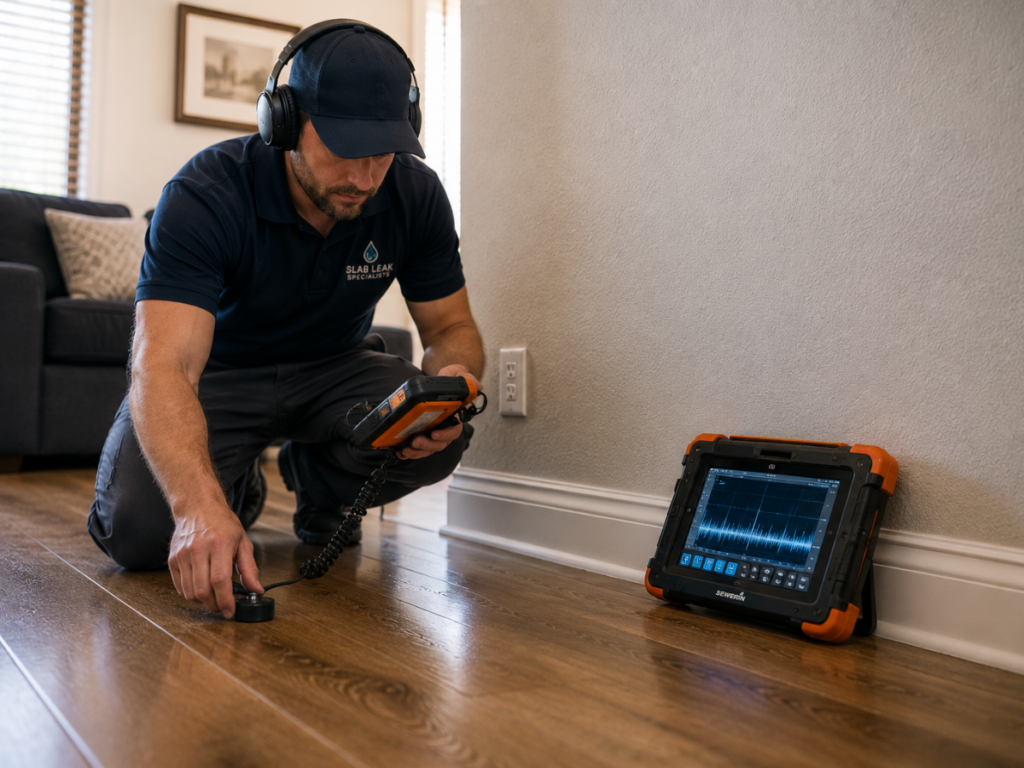
Finding a leak beneath a concrete foundation requires more than guesswork. In the past, plumbers often had to remove sections of flooring or break through concrete to locate the source of a leak.
Today, modern diagnostic equipment allows technicians to identify many underground leaks with remarkable accuracy before any repair work begins.
Accurate leak detection is one of the most important parts of successful slab leak repair. Pinpointing the exact location of the damaged pipe helps minimize demolition, shortens repair time, and reduces disruption to your home.
Rather than relying on a single tool, experienced plumbers often combine multiple detection methods to confirm both the location and severity of the leak.
Common Technologies Used for Slab Leak Detection
The most effective inspections use several complementary technologies, with each providing different information about the plumbing system.
| Detection Method | What It Does | Best Used For |
|---|---|---|
| Acoustic listening equipment | Detects the sound of pressurized water escaping from pipes | Locating active leaks beneath concrete |
| Thermal imaging | Identifies temperature differences caused by moisture or hot water lines | Finding hidden moisture and hot water leaks |
| Video pipe inspection | Uses a small camera to inspect the inside of accessible plumbing lines | Evaluating pipe condition and confirming damage |
| Pressure testing | Measures pressure loss within plumbing systems | Verifying whether a leak is present |
| Moisture meters | Detect elevated moisture levels in flooring and walls | Mapping the extent of water intrusion |
Using several methods together provides a more complete picture and helps avoid unnecessary excavation.
How Acoustic Leak Detection Works
Acoustic leak detection is one of the most commonly used techniques during slab leak repair.
When pressurized water escapes from a pipe beneath the foundation, it creates vibrations that travel through the pipe, surrounding soil, and concrete slab. Sensitive electronic listening devices amplify these sounds, allowing trained technicians to distinguish leak noise from normal household plumbing sounds.
Because every plumbing system produces different acoustic patterns, professional experience plays an important role in accurately interpreting the results.
When conditions are favorable, acoustic equipment can often pinpoint the location of a leak within a very small area, reducing the amount of concrete that needs to be opened during repairs.
How Thermal Imaging Helps Identify Hidden Leaks
Thermal imaging cameras detect surface temperature variations that may indicate moisture beneath flooring or inside building materials.
For hot water line leaks, thermal cameras can often reveal warm areas beneath the floor that aren’t visible to the naked eye. Even when the leak involves a cold water line, moisture can sometimes create subtle temperature differences that help technicians narrow their search.
Thermal imaging is especially valuable because it is completely non-invasive. Instead of removing flooring or cutting into walls, plumbers can quickly scan large areas and identify locations that require closer investigation.
Research has also demonstrated the broader effectiveness of thermal imaging for detecting underground infrastructure leaks.
Studies of deteriorated underground sewer systems have shown that thermal imaging can identify abnormal temperature patterns associated with hidden leaks, particularly when combined with additional diagnostic methods such as ground-penetrating radar or video inspections.
These findings reinforce the value of thermal technology as part of a comprehensive leak detection process.
When Video Inspection Is Used
Video pipe inspection involves feeding a waterproof camera through accessible sections of the plumbing system to inspect the interior of the pipe.
While cameras cannot always access every section of plumbing beneath a slab foundation, they are extremely useful for identifying corrosion, cracks, joint failures, root intrusion, or blockages in drain lines and other accessible piping.
A video inspection also helps determine whether the leak is an isolated problem or part of a larger plumbing issue that may require more extensive repairs.
Why Accurate Leak Detection Saves Time and Money
The goal of modern leak detection isn’t simply to find water. It’s to identify the precise location and cause of the problem before repairs begin.
Accurate diagnostics allow plumbers to recommend the most appropriate slab leak repair solution, whether that’s a localized pipe repair, rerouting a water line, or replacing aging plumbing. This targeted approach minimizes unnecessary demolition, reduces labor costs, and shortens the overall repair process.
For homeowners, advanced leak detection offers peace of mind. Instead of opening large sections of flooring in search of a hidden leak, today’s technology enables faster, more precise repairs while protecting as much of the home’s structure and finishes as possible.
Which Slab Leak Repair Method Is Right for Your Home?
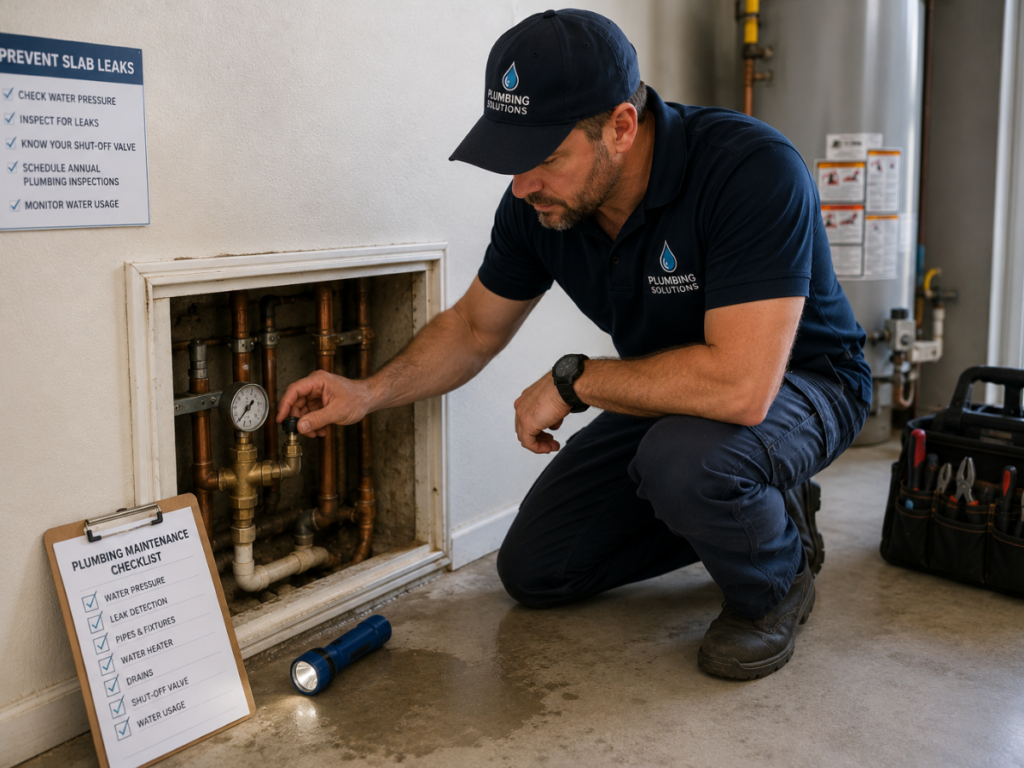
There isn’t a one-size-fits-all solution for repairing a slab leak. The best approach depends on where the leak is located, the condition of the plumbing system, the age of the home, and whether the problem is isolated or part of a larger issue.
After completing leak detection, a plumber will evaluate the extent of the damage before recommending the most effective slab leak repair strategy. In some cases, a simple localized repair is all that’s needed. In others, replacing or rerouting sections of pipe may provide a more reliable long-term solution.
Choosing the right repair method is about more than fixing today’s leak. It’s also about reducing the likelihood of future plumbing failures.
Common Slab Leak Repair Methods
Professional plumbers use several repair techniques depending on the location and condition of the damaged pipe.
| Repair Method | Best For | Advantages |
|---|---|---|
| Spot repair | A single, isolated leak in an otherwise healthy pipe | Lower cost and minimal pipe replacement |
| Pipe rerouting | Pipes that are difficult to access beneath the slab | Avoids repeated cutting into the foundation |
| Trenchless repair | Certain underground pipe configurations | Minimizes excavation and disruption |
| Partial pipe replacement | Localized sections of deteriorated plumbing | Replaces damaged piping while preserving the rest of the system |
| Whole-home repiping | Multiple leaks or widespread corrosion | Provides a long-term solution for aging plumbing |
The appropriate repair depends on both the immediate problem and the overall condition of the plumbing system.
Spot Repairs for Isolated Leaks
Spot repair is often the least invasive option when a leak is confined to a single section of pipe.
After locating the damaged area, the plumber removes a small section of concrete, repairs or replaces the affected pipe, and restores the slab once the plumbing has been tested.
This method works well when:
- The leak is easy to access.
- The surrounding pipe is still in good condition.
- There is no history of recurring slab leaks.
- The plumbing system has many years of expected service life remaining.
Because only the damaged area is repaired, spot repairs are often the most cost-effective option for isolated problems.
When Pipe Rerouting Makes More Sense
Sometimes repairing the pipe beneath the slab isn’t the best long-term solution.
If the damaged line runs beneath difficult-to-access areas, passes through multiple rooms, or has experienced repeated failures, plumbers may recommend rerouting the water line through walls, ceilings, or attic spaces instead.
Pipe rerouting allows water to bypass the damaged underground pipe entirely, reducing the need to disturb the home’s foundation in the future.
Although rerouting typically involves installing new plumbing, it can be a practical choice for homeowners dealing with recurring slab leaks.
Is Trenchless Slab Leak Repair an Option?
In some situations, trenchless plumbing methods can repair underground piping with significantly less excavation than traditional approaches.
Depending on the type of pipe, its location, and the nature of the damage, trenchless techniques may allow repairs or replacements through limited access points rather than extensive demolition.
Not every slab leak is suitable for trenchless repair, but when conditions allow, this approach can reduce disruption to landscaping, flooring, and other finished surfaces.
A professional inspection will determine whether trenchless methods are appropriate for your specific plumbing system.
When Is Pipe Replacement Necessary?
Repairing an isolated leak isn’t always the most economical decision. If the plumbing system has reached the end of its service life, additional leaks may develop even after the current one has been repaired.
Complete or partial pipe replacement may be recommended when:
- Pipes show widespread corrosion.
- Multiple slab leaks have occurred within a short period.
- The plumbing system contains aging materials prone to failure.
- Repairs are becoming increasingly frequent.
- Inspection reveals extensive deterioration throughout the system.
While pipe replacement requires a larger initial investment, it often eliminates the cycle of repeated repairs and provides greater long-term reliability.
Addressing Foundation Damage After a Leak
Most slab leaks don’t require foundation repair if they’re discovered early. However, prolonged water exposure can wash away supporting soil or cause uneven settlement beneath the concrete.
If movement has occurred, a contractor may recommend stabilizing the foundation after the plumbing has been repaired. This ensures the underlying cause of the structural movement has been resolved before any foundation work is performed.
Choosing a Long-Term Repair Solution
The goal of slab leak repair isn’t simply to stop the water flow. It’s to restore the plumbing system while minimizing future risk.
An experienced plumber will consider the location of the leak, the condition of the pipes, the construction of the home, and the likelihood of additional failures before recommending a repair strategy.
By selecting the right solution instead of the quickest one, homeowners can protect their plumbing, preserve their foundation, and reduce the chances of facing another slab leak in the years ahead.
How Much Does Slab Leak Repair Typically Cost?

One of the first questions homeowners ask after discovering a plumbing leak beneath their foundation is, “How much will it cost to fix?”
The answer depends on far more than the leak itself. The overall cost of slab leak repair is influenced by how easily the leak can be located, the condition of the plumbing system, the repair method required, and whether the leak has already caused damage to the home’s foundation or interior finishes.
Because every property is different, professional plumbers typically perform leak detection before providing an accurate estimate. This allows them to recommend the most appropriate repair instead of relying on rough pricing alone.
What Factors Affect the Cost of Slab Leak Repair?
Several variables determine the final cost of repairing an underground plumbing leak.
| Cost Factor | Why It Affects Pricing |
|---|---|
| Leak location | Pipes beneath finished flooring or difficult-to-access areas generally require more labor. |
| Detection method | Specialized leak detection equipment is often needed to locate hidden leaks accurately. |
| Repair approach | Spot repairs, rerouting, trenchless repairs, and repiping vary significantly in cost. |
| Pipe condition | Older plumbing systems may require more extensive repairs than isolated leaks. |
| Property damage | Flooring, drywall, cabinetry, or foundation repairs can add to the overall project cost. |
Because these factors vary from one home to another, slab leak repair costs can range from relatively modest repairs for isolated leaks to more significant investments when extensive plumbing replacement or structural repairs are required.
Why the Cheapest Repair Isn’t Always the Best Value
When comparing estimates, it’s important to look beyond the initial price.
A lower-cost repair may solve today’s leak but fail to address aging pipes or recurring plumbing problems. In homes with multiple slab leaks or widespread corrosion, replacing sections of the plumbing system may provide better long-term value than repeatedly repairing individual leaks.
An experienced plumber will evaluate the overall condition of the system before recommending a repair strategy, helping homeowners balance upfront costs with future reliability.
How Long Does Slab Leak Repair Take?
The timeline for slab leak repair depends on both the complexity of the leak and the repair method selected.
Simple repairs can often be completed within a single day, while larger projects involving pipe rerouting, repiping, or significant restoration work may take several days.
A typical repair process includes:
| Stage | What Happens |
|---|---|
| Inspection and diagnosis | The plumber evaluates symptoms and performs leak detection. |
| Leak confirmation | Specialized equipment pinpoints the location of the damaged pipe. |
| Repair planning | The most appropriate repair method is selected. |
| Pipe repair or replacement | The damaged plumbing is repaired, rerouted, or replaced. |
| System testing | Water pressure and plumbing performance are tested to confirm the repair. |
| Surface restoration | Concrete, flooring, or other affected finishes are repaired if necessary. |
The repair itself is often only one part of the overall timeline. If flooring or foundation restoration is required after the plumbing work is complete, the total project may take longer.
What Can Delay a Slab Leak Repair Project?
Some repairs are more straightforward than others. Factors that can extend the timeline include:
- Multiple leaks within the plumbing system.
- Pipes located beneath kitchens, bathrooms, or other finished spaces.
- Extensive corrosion requiring additional pipe replacement.
- Difficult site access.
- Foundation movement or structural repairs.
- Waiting for replacement materials or specialized equipment.
Fortunately, modern leak detection technology often reduces repair time by allowing plumbers to locate leaks accurately before opening the slab.
Planning for Repair Costs and Downtime
Although discovering a slab leak is never convenient, understanding the repair process can help homeowners plan more effectively.
Once the leak has been accurately located, your plumber can provide a detailed estimate that outlines the recommended repair method, expected timeline, and any additional restoration work that may be needed.
Asking for an itemized estimate also makes it easier to understand how labor, materials, leak detection, and restoration contribute to the total project cost.
Prompt slab leak repair is often the most cost-effective choice. Addressing a leak early can help prevent escalating water bills, minimize structural damage, and reduce the likelihood of more expensive foundation or flooring repairs in the future.
By acting quickly and working with an experienced plumbing professional, homeowners can restore their plumbing system while protecting the long-term value of their property.
How to Reduce the Risk of Future Slab Leaks
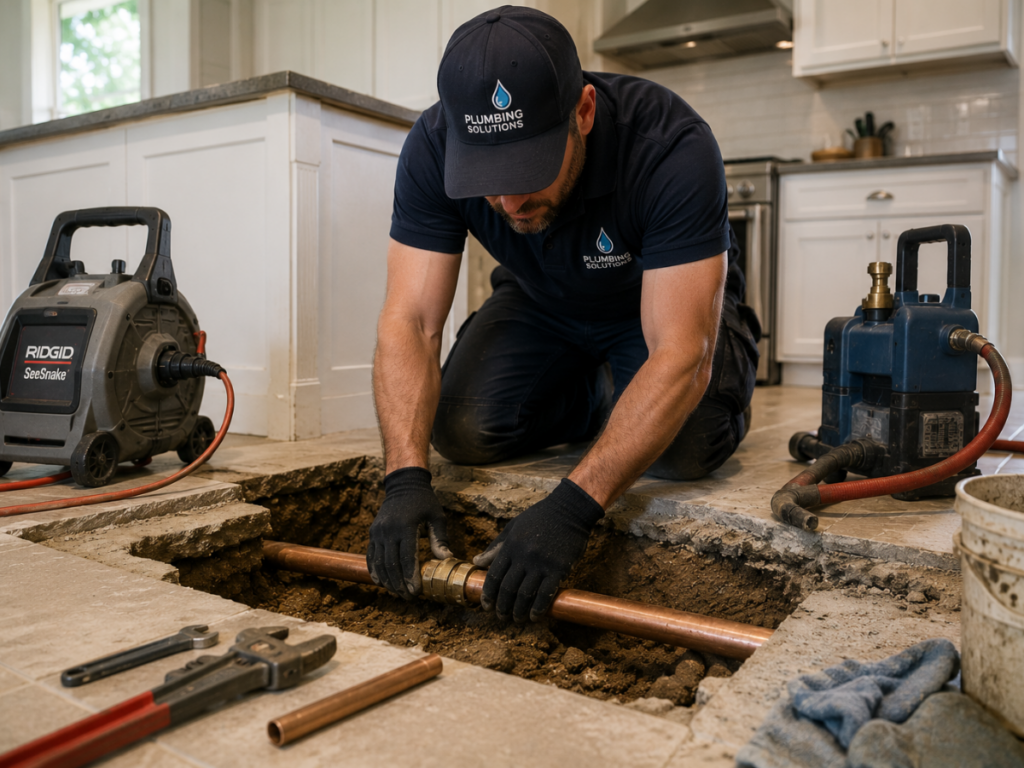
While no plumbing system lasts forever, many slab leaks can be delayed or even prevented through regular maintenance and early intervention.
Most underground pipe failures don’t happen overnight. They often develop gradually due to aging materials, excessive water pressure, corrosion, or small plumbing issues that go unnoticed.
After investing in slab leak repair, homeowners naturally want to avoid facing the same problem again. The good news is that a few proactive maintenance habits can significantly reduce stress on your plumbing system and help identify developing problems before they become expensive repairs.
Preventive maintenance not only protects your home’s foundation but can also extend the lifespan of the entire plumbing system.
Simple Maintenance Practices That Make a Difference
Routine plumbing care helps identify small problems before they evolve into hidden leaks beneath the foundation.
| Maintenance Practice | Why It’s Important |
|---|---|
| Schedule regular plumbing inspections | Identifies worn pipes, corrosion, and developing leaks early. |
| Monitor household water pressure | Reduces unnecessary stress on pipes and fittings. |
| Watch for changes in water bills | Unexpected increases may indicate hidden leaks. |
| Replace aging plumbing | Older piping materials are more likely to fail over time. |
| Install leak detection devices | Provides early alerts when abnormal water flow is detected. |
These preventive measures are generally far less expensive than repairing water damage or foundation problems caused by an undetected leak.
Keep Water Pressure Within a Safe Range
High water pressure is one of the most common factors that shortens the lifespan of residential plumbing systems.
When pressure remains consistently above recommended levels, pipes, joints, and fittings experience additional stress every time water flows through the system. Over the years, this repeated strain can contribute to cracks, joint failures, and eventually slab leaks.
A plumber can test your home’s water pressure during a routine inspection and recommend installing or adjusting a pressure-reducing valve if necessary. Maintaining proper pressure not only helps prevent leaks but also protects water heaters, faucets, appliances, and other plumbing fixtures throughout the home.
Don’t Ignore Early Warning Signs
One of the best ways to avoid major plumbing repairs is to investigate small problems before they become larger ones.
Contact a plumber if you notice:
- A sudden increase in your water bill.
- Warm or damp spots on flooring.
- Reduced water pressure.
- Moldy or musty odors.
- The sound of running water when no fixtures are in use.
- Cracks appearing in floors or the foundation.
These symptoms don’t always indicate a slab leak, but they should never be ignored. Early diagnosis often results in faster, less expensive slab leak repair if a leak is present.
Upgrade Aging Plumbing Before Problems Develop
Older plumbing systems naturally become more susceptible to corrosion, mineral buildup, and pipe deterioration.
If your home has experienced multiple leaks over the years or contains aging materials that have reached the end of their expected service life, replacing vulnerable sections of plumbing may be more practical than continuing to repair individual leaks.
A professional plumbing inspection can help determine whether preventive pipe replacement is a worthwhile investment based on the condition of your system.
Consider Smart Leak Detection Technology
Modern leak detection devices provide an additional layer of protection by monitoring water flow throughout your home’s plumbing system.
Many smart leak detectors can identify unusual water usage patterns, notify homeowners through a mobile app, and in some cases automatically shut off the water supply if a major leak is detected.
While these systems can’t prevent every plumbing failure, they can significantly reduce water damage by alerting homeowners before a small leak becomes a much larger problem.
Routine Inspections Protect Your Home’s Foundation
Regular plumbing inspections remain one of the most effective ways to protect against future slab leaks. During an inspection, a licensed plumber can evaluate water pressure, inspect exposed plumbing, identify signs of corrosion, and recommend maintenance before serious issues develop beneath the concrete slab.
Preventive maintenance may not eliminate every plumbing problem, but it dramatically improves the chances of catching issues early, when repairs are typically simpler and less expensive.
For homeowners who have already completed slab leak repair, ongoing maintenance provides valuable peace of mind.
By combining routine inspections, proper water pressure management, timely plumbing upgrades, and early leak detection, you can help protect both your plumbing system and your home’s foundation for years to come.
How Modern Technology Is Improving Slab Leak Repair
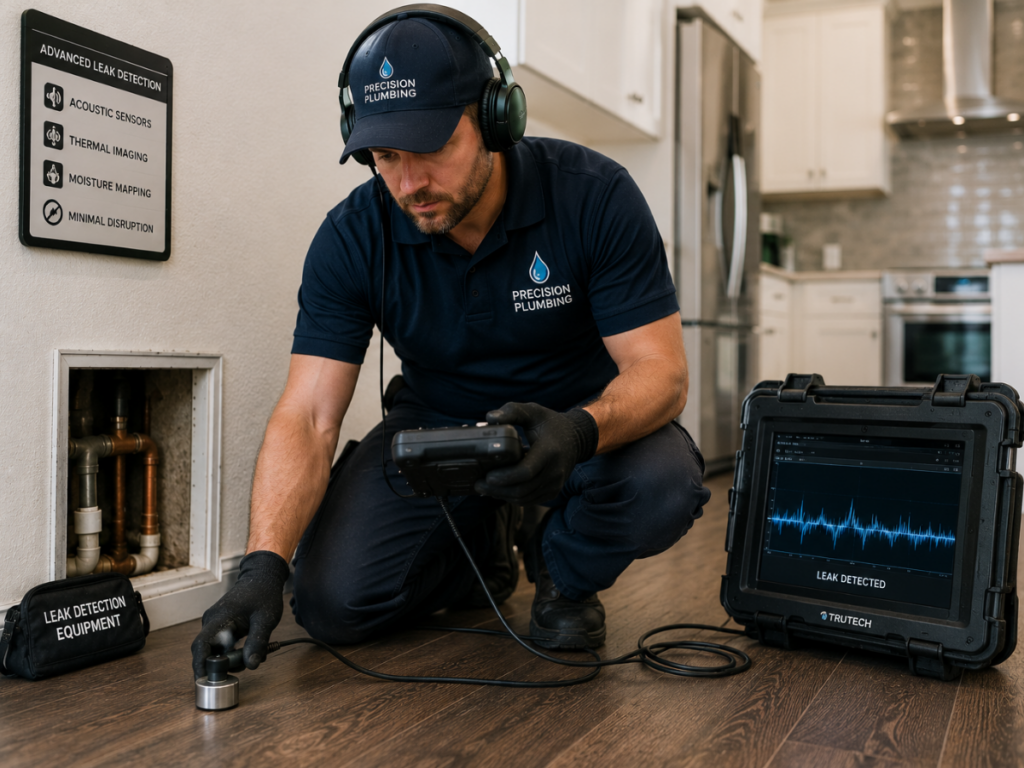
Advances in plumbing technology have changed the way professionals locate and repair underground leaks. Years ago, finding a slab leak often involved breaking through multiple sections of concrete to locate the damaged pipe.
Today, specialized diagnostic equipment allows plumbers to pinpoint many leaks with far greater accuracy before any demolition begins.
For homeowners, these improvements mean less disruption, faster repairs, and a more targeted approach to slab leak repair. By reducing unnecessary excavation, modern leak detection helps preserve flooring, foundations, and landscaping while shortening the overall repair process.
As detection technology continues to evolve, plumbers can diagnose plumbing problems more efficiently and recommend repair solutions based on precise information rather than trial and error.
The Shift Toward Non-Invasive Leak Detection
One of the biggest changes in the plumbing industry has been the move toward non-invasive inspection methods.
Rather than relying solely on exploratory excavation, today’s technicians use a combination of diagnostic tools to locate hidden leaks beneath concrete slabs without causing unnecessary damage to the home.
Common non-invasive technologies include:
| Technology | Primary Benefit |
|---|---|
| Acoustic listening equipment | Pinpoints the sound of pressurized water escaping from underground pipes. |
| Thermal imaging cameras | Detect hidden temperature differences associated with moisture and hot water leaks. |
| Moisture meters | Identify areas where moisture has migrated into flooring or walls. |
| Video pipe inspections | Evaluate the interior condition of accessible plumbing lines. |
| Electronic pressure testing | Confirms whether a plumbing system is losing pressure due to a hidden leak. |
Using several technologies together gives plumbers a more complete understanding of the problem before recommending a repair strategy.
Why Accurate Detection Leads to Better Repairs
Finding the exact location of a leak is only part of the process. Modern diagnostic equipment also helps plumbers determine why the leak occurred and whether additional sections of the plumbing system may be at risk.
This information supports better decision-making during slab leak repair. Instead of automatically opening large portions of the foundation, technicians can often focus repairs on a much smaller area or recommend alternatives such as pipe rerouting when appropriate.
More accurate diagnostics also reduce the chance of unnecessary demolition, lowering labor costs and minimizing the time required to complete repairs.
What Real-World Experience Shows
Across the plumbing industry, contractors increasingly report improved repair efficiency as advanced detection equipment becomes more widely available.
Modern diagnostic methods allow technicians to:
- Locate leaks more quickly.
- Reduce unnecessary concrete removal.
- Perform more precise repairs.
- Shorten project timelines.
- Minimize disruption inside occupied homes.
While every plumbing system presents unique challenges, the combination of advanced leak detection and experienced diagnosis has significantly improved the overall repair process compared with older exploratory methods.
Technology Still Depends on Professional Expertise
Although today’s diagnostic equipment is highly sophisticated, successful slab leak repair still depends on the experience of the technician interpreting the results.
Acoustic readings, thermal images, pressure tests, and video inspections each provide valuable information, but no single tool tells the entire story.
Skilled plumbers combine data from multiple sources with their understanding of plumbing systems, foundation construction, and local soil conditions to determine the most effective repair approach.
Technology improves accuracy, but professional judgment remains essential for making the right repair decisions.
What Homeowners Can Expect Going Forward
Leak detection technology continues to improve, making slab leak repair more efficient and less invasive than ever before. As equipment becomes more precise, homeowners can expect faster diagnoses, more targeted repairs, and fewer disruptions during the repair process.
For anyone facing a suspected slab leak, these advances provide an important advantage. Early inspections no longer require extensive guesswork, allowing plumbing professionals to identify problems sooner and recommend solutions based on accurate diagnostic data.
Combined with prompt action and professional repair, modern detection technology helps protect your home’s plumbing system, preserve the integrity of the foundation, and reduce the overall cost and complexity of slab leak repair.
Conclusion
Slab leaks can cause serious damage to your home’s foundation, flooring, and plumbing system if they are not detected and repaired promptly.
Recognizing the warning signs early and working with experienced plumbing professionals can help minimize damage, reduce repair costs, and restore your home’s plumbing system as quickly as possible.
Whether you suspect a hidden leak or need comprehensive slab leak repair, prompt action is the key to protecting your property.
For reliable leak detection and expert plumbing services, choose JW Plumbing Pros. If you think your home may have a slab leak, call 770-635-5159 to speak with the team at JW Plumbing Pros or fill out the online form to request your free quote today.