



Clogged drains rarely happen all at once. They build slowly from everyday use, grease, soap residue, hair, and debris collecting over time. What starts as a minor slowdown can quickly turn into standing water, unpleasant odors, and plumbing issues that disrupt your routine.
Knowing how to keep drains clear starts with simple habits that prevent buildup before it becomes a problem. Small changes in how you use and maintain your sinks, showers, and pipes can make a noticeable difference in performance and longevity.
With the right approach, you can reduce the risk of blockages, keep water flowing properly, and avoid the hassle and expense of dealing with major clogs.
Preventing Clogs the Smart Way at Home
What Are The Most Common Causes Of Drain Clogs In Homes?
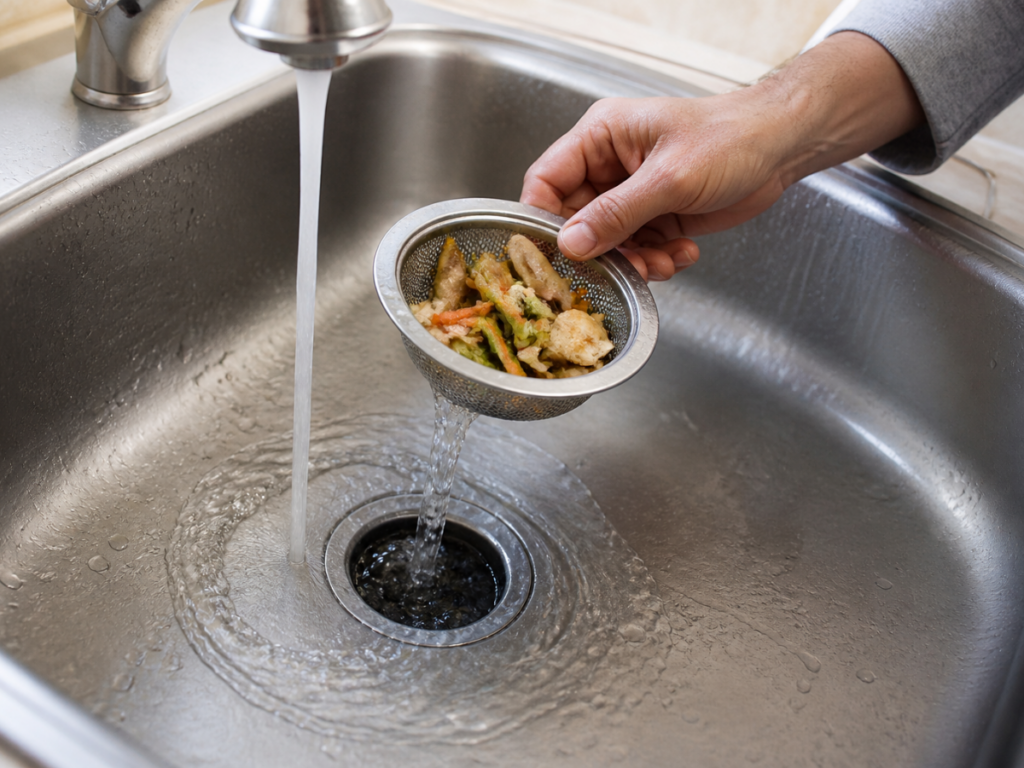
Understanding what leads to clogged drains is the first step toward preventing clogs in your home. Most blockages do not happen overnight.
They build gradually as everyday materials collect inside your pipes. Over time, these substances restrict water flow until the drain slows down or stops completely. In bathrooms, hair and soap residue are the most common culprits. In kitchens, grease and food waste tend to cause the most trouble.
While these materials may seem harmless in small amounts, they can combine and harden inside pipes, creating stubborn blockages that are difficult to remove. Recognizing how these issues start makes it easier to adjust daily habits and reduce the risk of future problems.
How Grease, Hair, And Soap Scum Build Up Over Time
Some of the most persistent clogs form when different materials bind together. Hair on its own may pass through a drain, but it often catches on the sides of pipes or gets tangled in small imperfections. Once it is in place, it begins to trap other debris.
Soap scum plays a key role in this process. It forms when soap mixes with minerals in water, leaving behind a sticky residue. This residue clings to both pipes and hair, gradually creating a dense buildup that restricts water flow.
Grease works differently but can be just as damaging. When poured down a kitchen sink, grease may go in as a liquid, but it cools and solidifies inside the pipes. As it hardens, it sticks to the pipe walls and narrows the passage for water. Over time, even a thin layer can grow into a significant blockage.
Preventing clogs caused by these materials often comes down to small changes, such as avoiding pouring grease down the drain and using simple barriers to catch hair before it enters the system.
How Food Waste And Debris Lead To Blockages
Kitchen drains face a different set of challenges. Food particles that seem small enough to wash away can still accumulate inside pipes, especially when they are not broken down properly. Starchy foods like rice or pasta can expand with water, while fibrous foods such as vegetable peels or celery tend to catch and hold other debris.
Even with a garbage disposal, not all food waste is safe to send down the drain. Certain items can wrap around blades or pass through only partially broken down, which increases the chance of buildup further along the pipe.
Other debris, such as coffee grounds or eggshell fragments, can settle and combine with grease, creating a thick layer that restricts water flow. These materials do not dissolve easily, which makes them more likely to contribute to long-term clog formation.
Being mindful of what goes into your sink is an important part of preventing clogs and maintaining a functional kitchen drain.
Why Small Habits Make A Big Difference
Clogs are rarely caused by a single mistake. They are usually the result of repeated habits that seem minor at the time. Allowing a little grease to go down the drain or rinsing off small food scraps may not cause immediate issues, but over time, these actions add up.
Making small adjustments, such as disposing of grease in a separate container or using drain covers, can significantly reduce the risk of buildup. Regular cleaning also helps remove early signs of accumulation before they turn into larger problems.
Preventing clogs is less about reacting to issues and more about maintaining consistent habits. By understanding how common materials behave inside your pipes, you can take simple steps that keep your drains clear and working as they should.
How Can Regular Cleaning And Proper Usage Prevent Pipe Blockages?
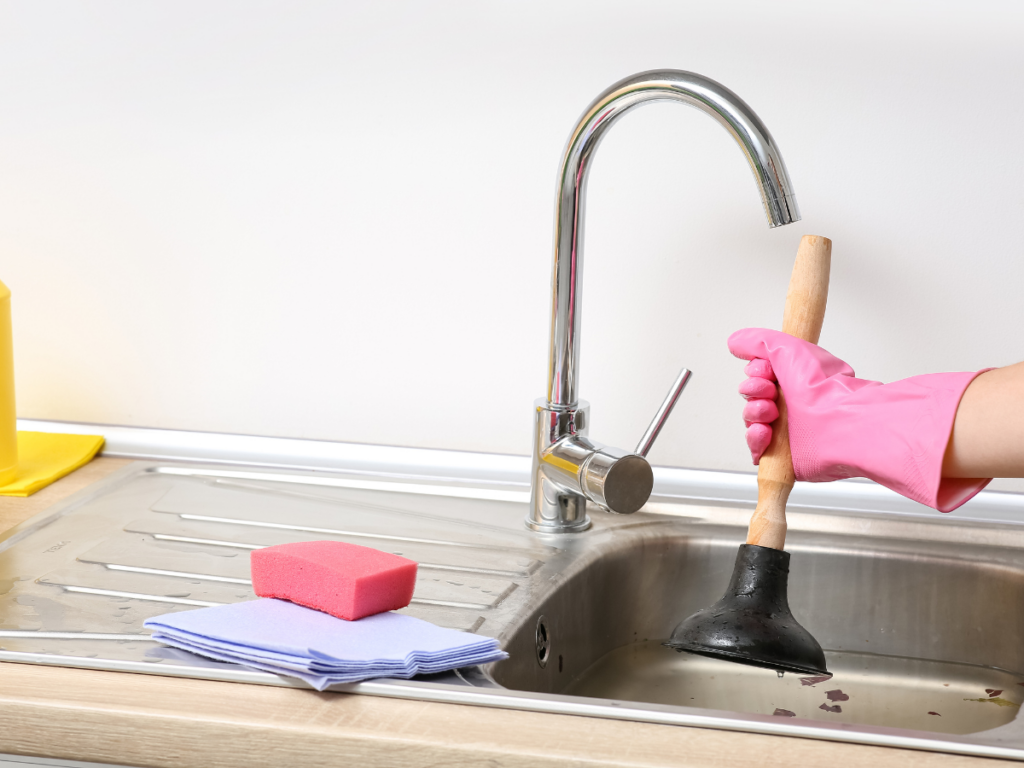
Keeping your drains clear does not require complicated solutions. In most cases, preventing clogs comes down to consistent habits and a bit of attention to how your plumbing is used day to day. When you combine routine cleaning with mindful usage, you reduce the chances of buildup forming in the first place.
Regular cleaning helps break down residue before it has time to harden or collect in larger amounts. At the same time, being aware of what goes down your drains limits the materials that can cause problems later.
Together, these two approaches create a simple but effective foundation for preventing clogs throughout your home.
Building A Simple Cleaning Routine That Works
A reliable cleaning routine does not need to be time-consuming, but it should be consistent. Using natural methods, such as a combination of baking soda and vinegar, can help loosen minor buildup inside your pipes. When followed by hot water, this process helps wash away residue that might otherwise stick to the pipe walls.
Hot water alone can also be useful, especially in kitchen drains. Running hot water after washing dishes can help dissolve small amounts of grease and soap before they settle. While this will not fix existing clogs, it can slow down the buildup that leads to them.
Another helpful step is using drain screens. These small additions catch hair, food particles, and other debris before they enter the plumbing system.
Over time, this simple barrier can significantly reduce the amount of material that collects inside your pipes. These routine actions support preventing clogs by addressing buildup early, before it becomes a larger issue.
Adopting Everyday Habits That Protect Your Pipes
Cleaning is only one part of the equation. How you use your drains each day plays an equally important role. Many clogs begin with habits that seem harmless, such as rinsing small food scraps into the sink or allowing grease to go down the drain.
Being more intentional with these actions can make a noticeable difference. Disposing of grease in a separate container and scraping food into the trash instead of the sink helps keep your pipes clearer over time.
In bathrooms, removing hair from drain covers regularly prevents it from slipping into the plumbing system, where it can combine with soap residue.
These small adjustments may not feel significant on their own, but they are a key part of preventing clogs because they reduce the amount of material entering your pipes in the first place.
Long-Term Maintenance For Reliable Performance
Beyond daily habits, occasional maintenance helps keep your plumbing system working efficiently over time. Checking your drains for slow drainage or unusual odors can help you catch early signs of buildup. Addressing these issues sooner rather than later can prevent more serious blockages from forming.
Using enzyme-based cleaners is another option for long-term care. These products are designed to break down organic material gradually without damaging your pipes. They can be a useful addition to your routine if you want a low-maintenance way to support ongoing cleanliness.
Professional inspections or cleanings every few years can also help identify hidden issues that are not easy to detect on your own. While not always necessary, they can provide an extra layer of reassurance, especially in older homes.
Using The Right Tools For Everyday Drain Care
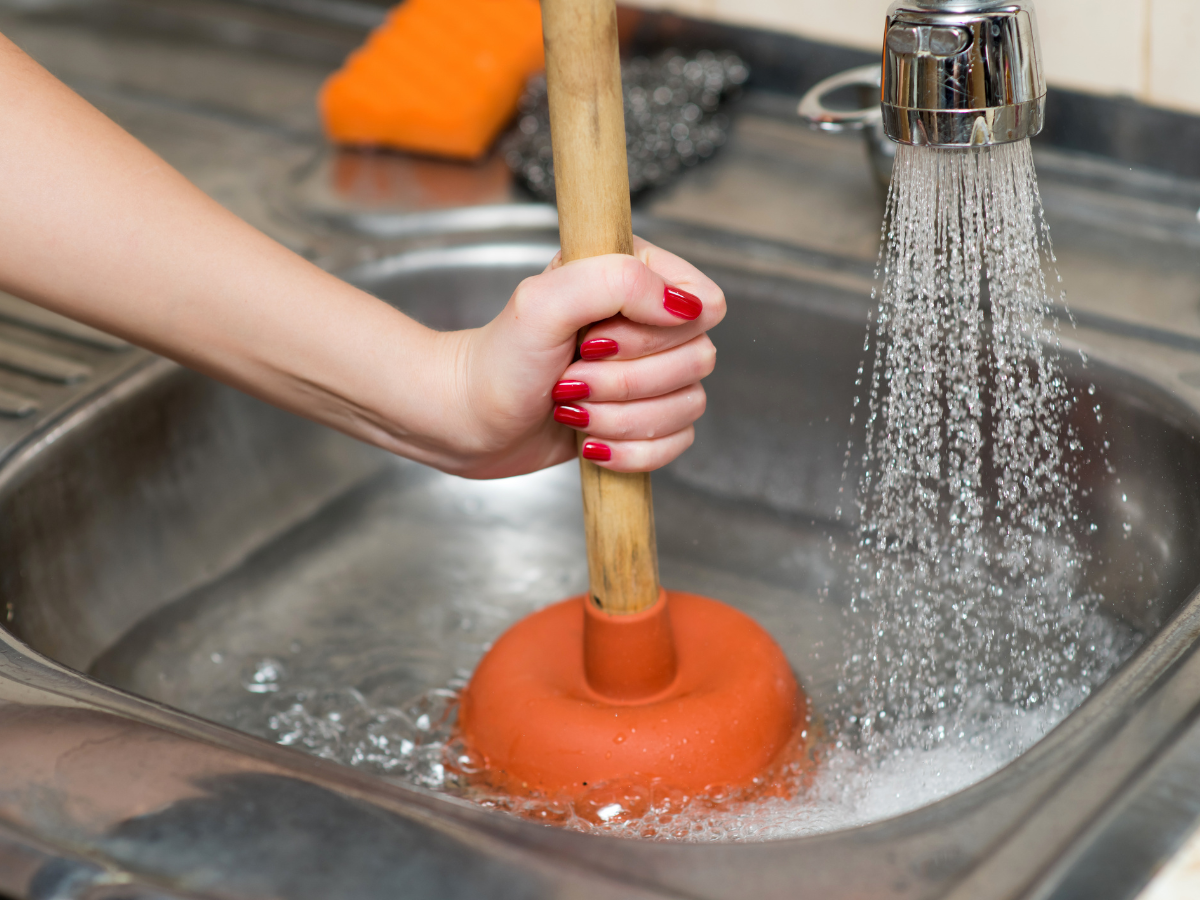
Having a few basic tools on hand makes it easier to deal with minor issues before they escalate. A plunger can often clear small blockages in sinks or toilets with minimal effort. For a deeper buildup, a drain snake can reach further into the pipe and remove debris that is out of sight.
These tools are not meant to replace good habits, but they can support them. When used early, they help keep your drains functioning without the need for more involved repairs.
By combining regular cleaning, mindful usage, and simple maintenance tools, you create a system that supports preventing clogs over the long term. It is a practical approach that keeps your plumbing working smoothly while reducing the likelihood of unexpected issues.
How To Schedule And Implement A Regular Drain Care Routine?
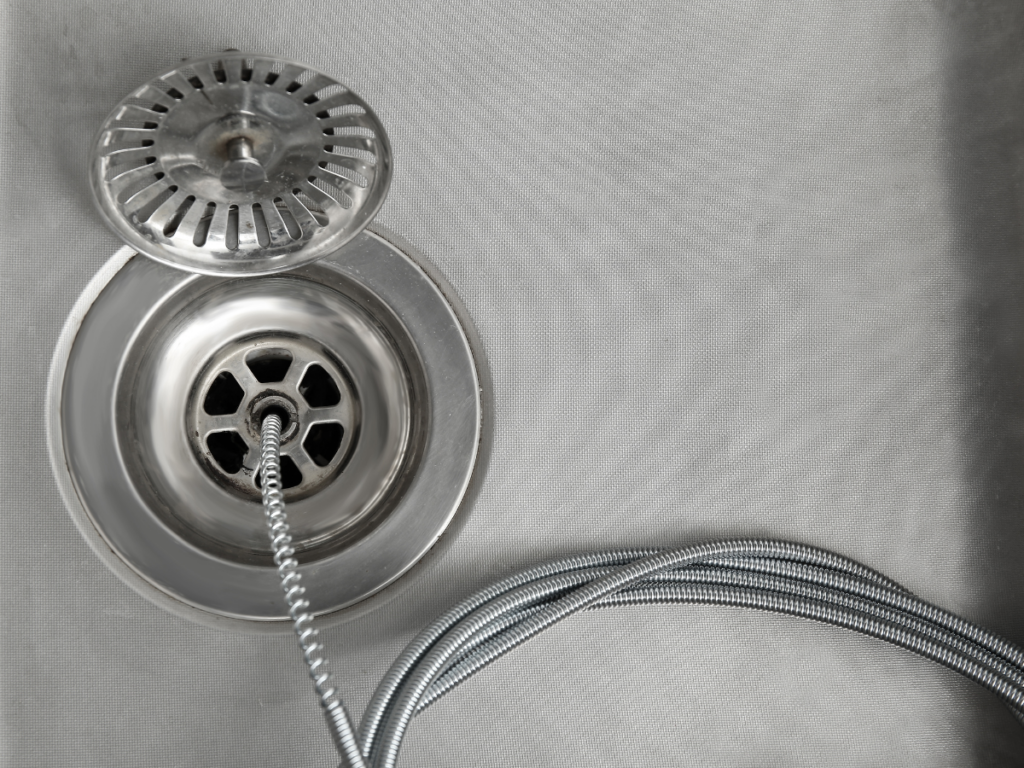
Creating a routine for your drains is one of the most effective ways to avoid unexpected plumbing issues. Instead of waiting for slow drainage or backups to signal a problem, a consistent schedule helps you stay ahead of buildup before it turns into a blockage.
When it comes to preventing clogs, a routine approach allows small maintenance tasks to make a lasting impact over time. The key is not doing everything at once, but spacing out simple tasks so they become part of your regular household habits.
With a clear plan, drain care feels less like a chore and more like a natural part of maintaining your home.
Setting A Monthly Cleaning Rhythm
A monthly cleaning routine is a practical starting point for keeping your drains clear. This does not require heavy-duty tools or harsh chemicals. In most cases, a simple combination of natural cleaning methods is enough to manage early buildup.
Using a mix of baking soda and vinegar followed by hot water can help loosen residue that collects inside pipes. Over time, this routine prevents small amounts of grease, soap, and debris from hardening into more stubborn blockages.
It is a low-effort step that supports preventing clogs by addressing buildup while it is still manageable. Consistency matters more than intensity here. A quick monthly cleaning is often more effective than waiting until a problem develops and trying to fix it all at once.
Using Quarterly Check-Ins To Catch Early Issues
While monthly cleaning helps manage residue, quarterly inspections focus on identifying potential problems before they escalate. Every few months, take time to notice how your drains are performing. Slow water flow, unusual sounds, or lingering odors can all signal that buildup is starting to form.
This is also a good time to check visible parts of your plumbing, such as under-sink pipes or exposed connections. Even small leaks or signs of wear can contribute to long-term issues if left unaddressed.
Quarterly check-ins shift your focus from cleaning to awareness. They give you a chance to adjust your routine based on what you are noticing, which is an important part of preventing clogs in a proactive way.
Planning Annual Professional Maintenance
Even with regular upkeep, some buildup occurs deeper within your plumbing system where it is harder to reach. Scheduling a professional cleaning once a year can help clear out these hidden areas and restore proper flow.
Professional plumbers use specialized tools that go beyond what is available for everyday use. This allows them to remove buildup more thoroughly and inspect the system for any underlying concerns.
While this step is not always necessary for every home, it can be especially helpful for older plumbing systems or households with frequent usage.
Including professional maintenance in your routine adds another layer of support for preventing clogs, particularly when combined with your monthly and quarterly efforts.
Turning Routine Care Into Long-Term Prevention
A well-structured drain care routine works because it spreads maintenance across manageable intervals. Monthly cleaning handles surface-level buildup, quarterly inspections catch early warning signs, and annual professional service addresses deeper concerns.
Over time, this layered approach becomes second nature. Instead of reacting to problems, you are maintaining a system that keeps your drains functioning smoothly with minimal disruption. It also reduces the likelihood of emergency repairs, which are often more costly and inconvenient.
By following a simple schedule and staying consistent, you create a reliable system for preventing clogs that supports your plumbing over the long term.
How Do Everyday Disposal Habits Impact Your Drains?
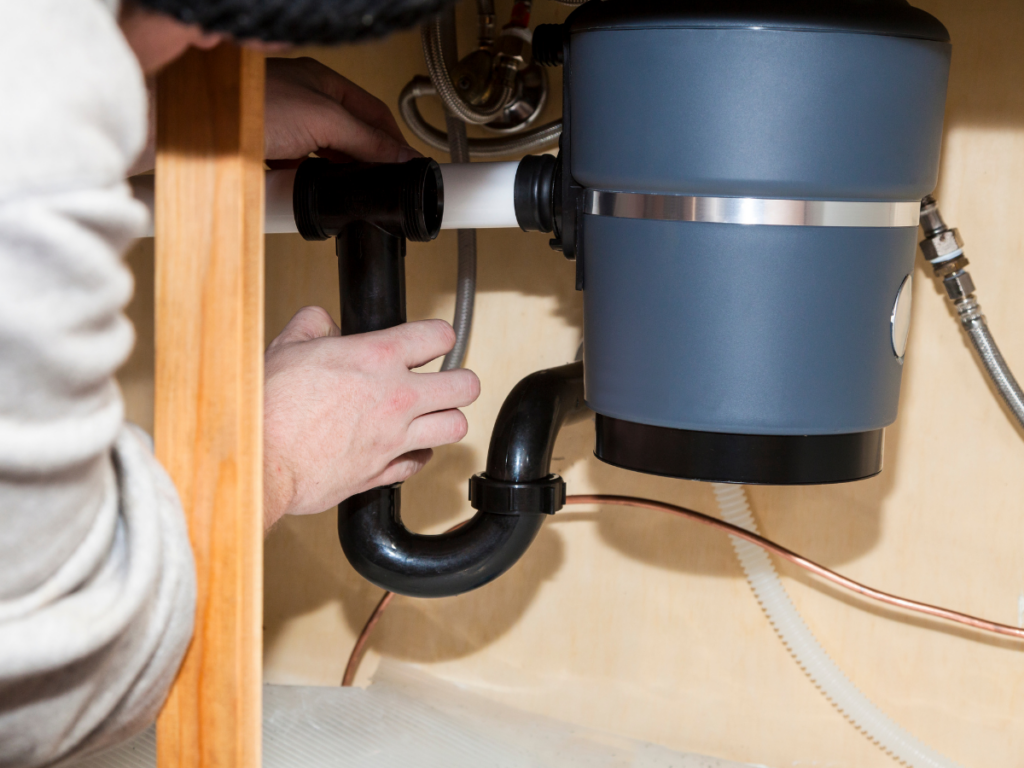
What goes down your drains on a daily basis has a direct effect on how well your plumbing performs over time. Many clogs are not caused by a single mistake, but by repeated habits that allow buildup to form gradually.
Paying closer attention to disposal choices is one of the simplest ways to support preventing clogs without relying on constant cleaning or repairs.
In the kitchen, grease and food waste are two of the most common sources of trouble. Grease may seem harmless when it is warm and liquid, but it cools quickly inside pipes and sticks to the walls.
Over time, it creates a layer that traps other debris and restricts water flow. Food scraps can have a similar effect, especially when they are starchy or fibrous.
In the bathroom, the issue often comes down to items that should never enter the plumbing system. Things like cotton swabs, hair, and hygiene products do not break down easily and can get caught in pipes, creating blockages that are difficult to clear.
Making small adjustments to how you dispose of these materials can go a long way toward preventing clogs before they start.
Kitchen Habits That Help Keep Drains Clear
A few simple changes in the kitchen can significantly reduce the risk of buildup. Instead of pouring grease or oil down the sink, it is better to let it cool and dispose of it in the trash. This prevents it from coating your pipes and creating a sticky surface where debris can collect.
Scraping food into the trash or compost before rinsing dishes also makes a difference. Even with a garbage disposal, not all food breaks down properly, and small particles can still accumulate over time.
Being more intentional with what enters the drain helps maintain smoother water flow. These habits are not time-consuming, but they are highly effective for preventing clogs because they limit the amount of material entering your plumbing system in the first place.
Bathroom Practices That Reduce Blockage Risk
Bathrooms require a slightly different approach, but the principle is the same. Keeping non-flushable items out of your drains is essential. A small trash can placed near the sink or toilet makes it easier to dispose of items properly instead of sending them down the pipes.
Hair is another common issue, especially in showers and sinks. Using a simple drain cover can catch hair before it enters the plumbing system. Regularly removing what collects on the surface prevents it from combining with soap residue and forming a more stubborn blockage.
These small steps support preventing clogs by reducing the materials that tend to build up in bathroom drains over time.
When Ongoing Issues Signal A Bigger Problem
Even with good habits, there are times when problems persist. Recurring clogs, for example, often point to buildup deeper in the system that cannot be reached with routine cleaning.
If you find yourself dealing with the same issue repeatedly, it may be a sign that something more significant is happening inside your pipes.
Multiple slow drains are another warning sign. When more than one fixture is affected, the problem may not be isolated to a single pipe. Instead, it could indicate a blockage in a larger section of your plumbing, such as the main line.
Persistent odors can also suggest that debris has collected somewhere in the system. These smells are often caused by trapped organic material that continues to break down over time.
Knowing When To Bring In A Professional
Recognizing when to step back and seek professional help is an important part of maintaining your plumbing. While daily habits and regular maintenance go a long way, some issues require specialized tools and experience to resolve properly.
A professional plumber can assess the condition of your system, identify the source of recurring problems, and remove buildup that is not accessible through basic methods. This not only resolves current issues but also helps prevent future ones from developing.
By combining mindful disposal habits with an awareness of when to call for help, you create a balanced approach to preventing clogs. It keeps your plumbing system running smoothly while reducing the likelihood of unexpected disruptions.
What Are Environmentally Friendly Tips For Preventing Drain Clogs?
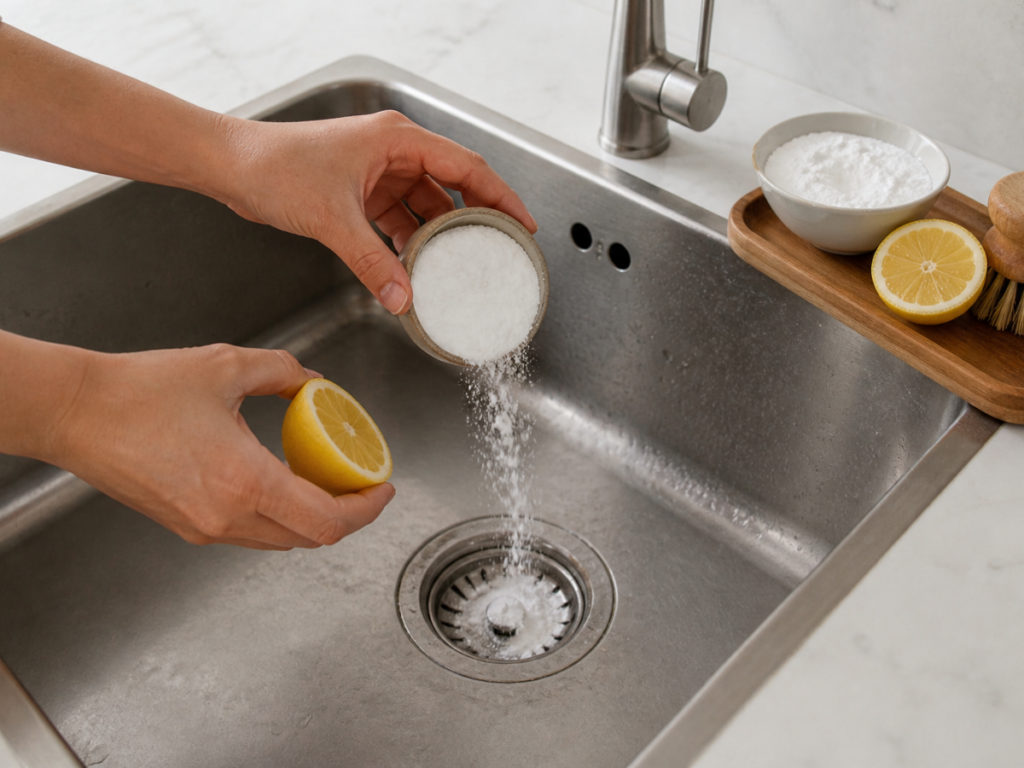
Taking an eco-friendly approach to your plumbing does not mean sacrificing effectiveness. In fact, many sustainable habits are also some of the most reliable ways of preventing clogs.
By focusing on natural cleaning methods and thoughtful disposal practices, you can keep your drains clear while reducing your impact on the environment.
Simple solutions like baking soda and vinegar can help break down minor buildup without introducing harsh chemicals into your pipes. These ingredients work together to loosen residue and neutralize odors, making them a practical option for routine care.
At the same time, choosing biodegradable cleaning products ensures that what goes down your drain is less likely to cause long-term issues for both your plumbing and the surrounding environment.
These small shifts create a more balanced approach to preventing clogs while keeping maintenance straightforward and manageable.
How Eco-Friendly Habits Reduce Grease And Waste Buildup
Many environmentally friendly practices naturally limit the materials that cause clogs in the first place. Grease, for example, is one of the most common sources of buildup in kitchen drains. Disposing of it in the trash instead of pouring it down the sink prevents it from hardening inside your pipes.
Composting food scraps is another helpful habit. Instead of sending organic material into your plumbing system, composting redirects it to a more appropriate place where it can break down properly. This reduces the amount of debris that might otherwise collect in your pipes over time.
These habits work because they address the source of the problem rather than the symptoms. By limiting what enters your drains, you create conditions that support long-term prevention without relying on frequent cleaning.
Which Natural Remedies Help Maintain Clear Drains?
Natural remedies can be surprisingly effective when used consistently. A mixture of baking soda and vinegar is one of the most common options, helping to loosen buildup and keep drains smelling fresh. When followed by hot water, this combination helps flush away residue before it has a chance to settle.
Hot water on its own can also play an important role, especially in kitchen drains where grease and soap tend to accumulate. Running hot water regularly helps dissolve these substances before they stick to the pipe walls.
Another option is combining salt with baking soda. This mixture creates a slightly abrasive solution that can help break down stubborn residue. While it is still gentle on your pipes, it adds a bit more cleaning power for areas that need extra attention.
Using these methods as part of a routine supports preventing clogs by keeping buildup under control without relying on harsh treatments.
Connecting Common Causes To Practical Prevention
One of the most effective ways to manage your drains is to match common problems with specific solutions. Hair and soap residue, for example, are best managed with simple tools like drain screens and regular cleaning. Catching debris before it enters the pipes reduces the chance of it forming a blockage later.
Grease and food waste require a different approach. Proper disposal habits, such as keeping these materials out of the sink, prevent them from accumulating in the first place. This is often more effective than trying to remove buildup after it has already formed.
Regular inspections also play a role in this process. Checking for slow drainage or early signs of buildup allows you to adjust your routine before problems develop further. This kind of awareness is an important part of preventing clogs because it helps you respond early rather than react later.
Targeting Grease Buildup With Consistent Habits
Grease buildup deserves special attention because it tends to form gradually and is not always immediately noticeable. Once it begins to coat the inside of your pipes, it can trap other debris and create more stubborn blockages.
The most effective way to manage grease is to keep it out of your drains entirely. Letting it cool and disposing of it in the trash prevents it from entering your plumbing system. Following this with occasional hot water flushes helps remove any small amounts that may still make their way into the pipes.
Enzyme-based cleaners can also support this process by breaking down organic material over time. When used periodically, they help maintain a cleaner interior surface within your pipes.
By combining these habits with a consistent routine, you create a practical system for preventing clogs that supports both your home and the environment.
Conclusion
Keeping your drains clear doesn’t require harsh chemicals or expensive tools—just a few simple habits like using sink strainers, avoiding pouring grease down the disposal, and flushing drains with hot water regularly.
These preventative steps can save you from frustrating clogs, unpleasant odors, and costly plumbing emergencies. When a stubborn clog does occur, or you need professional maintenance, trust the experienced team at JW Plumbing Pros.
Ready to protect your plumbing and enjoy peace of mind? Call 770-635-5159 or request a free quote online today. Let our skilled plumbers help you maintain free-flowing drains and a healthy home.