
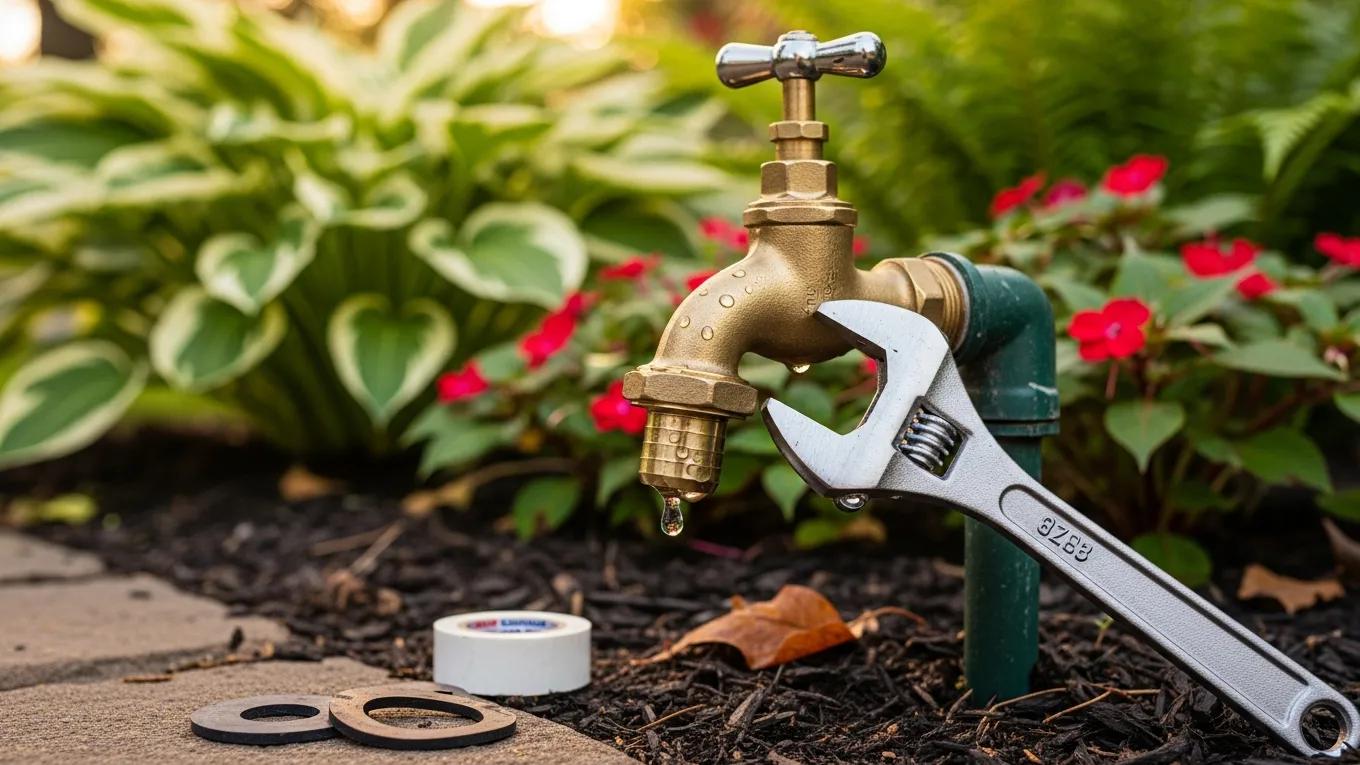
That steady drip from an outdoor faucet may seem minor, but it can waste water, raise utility costs, and signal worn plumbing components that need attention. Leaks around the handle, spout, or wall connection can have different causes, so finding the source matters before reaching for a wrench.
These hose bib repair tips cover common outdoor faucet leaks and the practical fixes used to address them. A worn washer or loose packing nut may require a simple repair, while cracked fittings, damaged pipes, or persistent leaks can point to a problem that needs professional attention.
Knowing what to check and when to act can help homeowners stop unnecessary water loss, prevent moisture damage, and keep outdoor faucets working reliably when they’re needed most.
Common Hose Bib Repair Problems and Their Causes
How to Diagnose and Repair Common Hose Bib and Outdoor Faucet Leaks
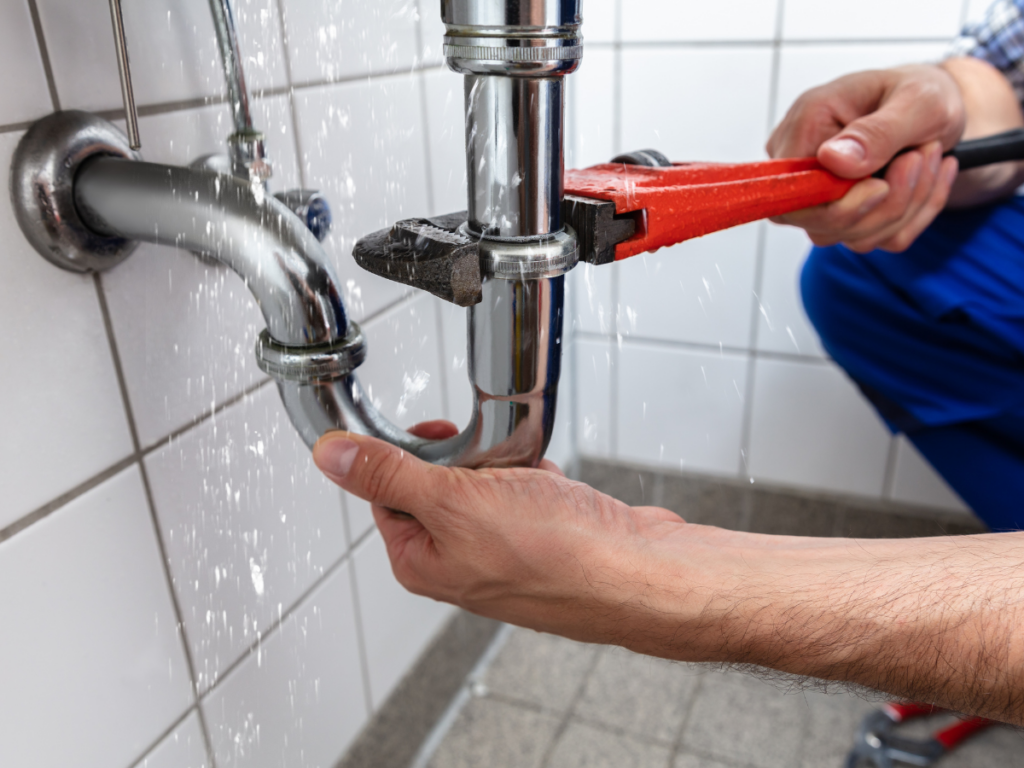
A dripping outdoor faucet may look like a minor plumbing problem, but the location of the water often reveals whether you are dealing with a simple worn washer or a more serious issue inside the faucet or supply line. Before attempting hose bib repair, identify exactly where the water is escaping and when the leak occurs.
Some leaks happen continuously from the spout. Others appear only when the faucet is turned on or a garden hose is connected. Water may also seep from behind the fixture where the pipe enters the exterior wall.
These symptoms can point to very different problems, so diagnosing the source first can prevent unnecessary repairs.
What Does the Location of a Hose Bib Leak Tell You?
Start with a visual inspection while the faucet is both off and running. Dry the fixture and surrounding area first so fresh moisture is easier to trace.
A drip from the spout when the faucet is fully closed often points to a worn washer, seal, or valve component that is no longer stopping water completely. Leakage around the handle may indicate a problem with the packing nut, packing material, O-ring, or stem assembly, depending on the faucet design.
Water appearing around the connection between the hose bib and the wall deserves closer attention. The problem may involve the threaded connection or plumbing behind the exterior surface rather than the faucet’s internal washer. If water is entering the wall, shut off the supply and have the problem evaluated promptly.
A leak that occurs only when a garden hose is attached may be much simpler. Inspect the hose washer and threaded connection before assuming the faucet itself needs repair.
How Can You Check for a Hidden Outdoor Plumbing Leak?
Not every leak produces an obvious puddle. Persistent dampness, staining, soft soil near the foundation, or unexplained moisture around the fixture can indicate water escaping somewhere out of view.
A water meter can provide another clue. Turn off faucets, appliances, irrigation equipment, and other known water users, then check whether the meter still indicates water consumption. Continued movement can suggest a leak somewhere in the plumbing system, although it does not identify the hose bib specifically.
For an outdoor faucet, useful diagnostic tools are usually simple: a flashlight, adjustable wrench, screwdriver, dry cloth, and close visual inspection.
More complicated testing is rarely necessary for an exposed fixture. If the leak appears to originate inside a wall or underground, professional diagnosis is generally more appropriate than opening the structure based on guesswork.
Which Hose Bib Parts Commonly Need Replacement?
The correct repair depends on the faucet design and the failed component. Common replaceable parts include:
- Washers: Often create a watertight seal when the faucet is closed. A worn or hardened washer can cause persistent dripping from the spout.
- O-rings and packing: Help seal moving components around the stem. Wear can allow water to escape near the handle.
- Valve stems: A damaged or corroded stem may prevent the faucet from sealing or operating correctly.
- Vacuum breakers: Some hose bibs include backflow-prevention components that can leak when damaged or worn.
- Complete hose bibs: Replacement may make more sense when the faucet body is cracked, badly corroded, or otherwise deteriorated.
Do not choose replacement parts based on appearance alone. Hose bib designs, stem lengths, thread sizes, and internal components vary. Taking the removed component to a plumbing supplier or identifying the faucet manufacturer and model can help ensure a proper match.
How to Replace a Worn Washer or Internal Hose Bib Component
For a conventional repairable hose bib, begin by shutting off the water supply serving the fixture. Open the outdoor faucet afterward to release remaining pressure and confirm that the water is actually off.
Remove the handle and carefully loosen the appropriate retaining or packing nut according to the faucet design. The stem assembly can then be inspected for worn washers, damaged O-rings, corrosion, or other visible deterioration.
Replace only components that match the existing assembly, then reassemble the faucet without overtightening fittings. Restore the water slowly and test the fixture in several positions. Check the spout, handle, body, and wall connection for fresh moisture.
This type of hose bib repair is considerably different from replacing the entire fixture. Whole-faucet replacement may involve threaded or soldered plumbing connections inside or behind the wall.
Applying excessive force to an exterior faucet can twist or damage the supply pipe, turning a small repair into a concealed plumbing leak.
When Is Professional Hose Bib Repair the Safer Choice?
DIY replacement of an accessible washer or seal can be reasonable when the shutoff works properly, and the faucet’s construction is straightforward. Stop if the fixture is heavily corroded, will not loosen normally, continues leaking after replacing obvious wear components, or appears damaged near the wall.
Professional hose bib repair is also appropriate when water is leaking inside the building, the supply pipe moves when the faucet is turned, freeze damage is suspected, or the entire outdoor faucet needs replacement.
In those situations, correcting the underlying plumbing problem matters more than simply stopping the visible drip.
How to Repair Common Outdoor Faucet and Garden Tap Problems
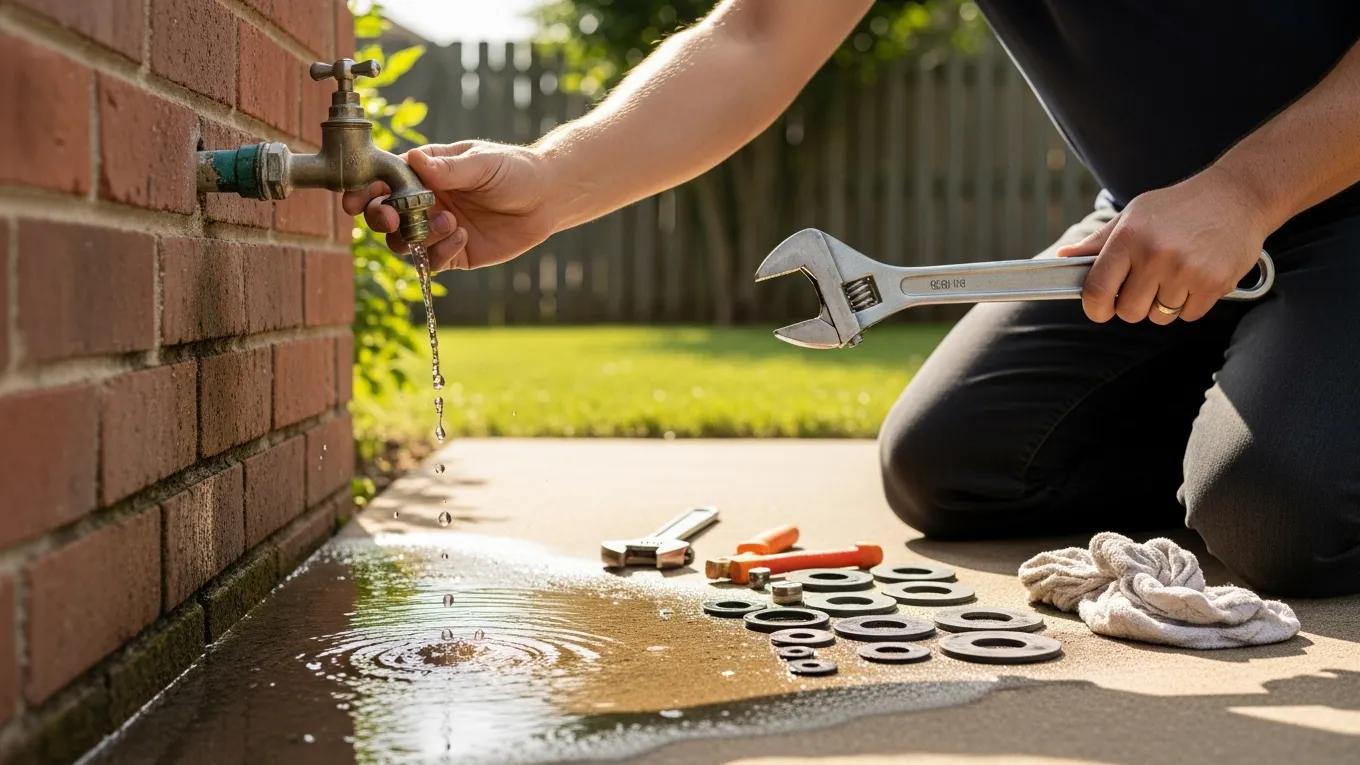
Once you have identified where an outdoor faucet is leaking, the next step is matching the repair to the actual problem. Not every drip requires replacing the entire fixture.
Many conventional hose bibs can be repaired by replacing a worn seal, tightening an appropriate fitting, or clearing an obstruction. Other problems, particularly cracks or leaks behind the wall, require more extensive work.
Before starting any hose bib repair, shut off the water supply serving the faucet. Open the fixture afterward to relieve pressure and confirm that the shutoff has stopped the flow. If you cannot locate a working shutoff, do not begin disassembling the faucet.
Match the Repair to the Faucet Problem
The symptoms provide useful clues about what needs attention:
| Problem | Possible Cause | Typical Repair |
|---|---|---|
| Dripping from the spout when closed | Worn washer, seal, or valve component | Inspect and replace the damaged internal part |
| Water leaking around the handle | Loose packing nut, worn packing, or damaged O-ring | Adjust or replace the affected sealing component |
| Leak at hose connection | Damaged hose washer or loose connection | Replace the hose washer and reconnect |
| Weak or uneven water flow | Debris, mineral buildup, hose restriction, or supply issue | Check the hose and faucet outlet for blockage |
| Cracked faucet body | Corrosion, impact, age, or freeze damage | Replace the damaged hose bib |
| Water leaking near or inside the wall | Loose connection, cracked pipe, or damaged faucet assembly | Shut off water and investigate the concealed plumbing |
These are starting points rather than universal diagnoses. Outdoor faucets come in several designs, including traditional compression-style hose bibs and frost-free sillcocks, so internal components and repair procedures can differ.
How to Repair a Hose Bib That Drips From the Spout
A faucet that continues dripping after the handle is fully closed often has a worn internal sealing component. On a conventional compression-style hose bib, the problem may be the washer at the end of the valve stem.
After shutting off the water, remove the handle and carefully loosen the appropriate retaining or packing nut. Pull out the stem assembly and inspect the washer, O-ring, and other accessible seals. A washer that is cracked, hardened, distorted, or visibly worn should be replaced with one of the same size and type.
Inspect the valve seat as well. Installing a new washer may not stop the leak if the surface it seals against is damaged or heavily corroded.
Reassemble the faucet, restore the water gradually, and test it. Avoid overtightening the handle in an attempt to force the drip to stop. Excessive pressure can accelerate wear on internal components.
How to Stop a Leak Around the Faucet Handle
Water appearing around the handle while the faucet is running usually points to the stem-sealing area rather than the washer controlling flow through the spout.
Depending on the design, carefully tightening the packing nut may solve a minor leak. Only a small adjustment may be necessary. If tightening does not work, the packing material or O-ring may need replacement.
This distinction is useful because replacing the spout washer will not necessarily correct a leak around the stem. Successful hose bib repair depends on repairing the component associated with the location of the leak rather than replacing parts at random.
What to Check When an Outdoor Faucet Has Low Water Pressure
Low flow does not automatically mean the faucet valve has failed. Start with the simplest possibilities.
Disconnect the garden hose and test the faucet directly. A kinked hose, clogged nozzle, or restrictive attachment can reduce flow even when the hose bib is functioning normally. Check the faucet outlet and any removable attachments for visible sediment or mineral buildup.
If flow remains unusually weak with everything disconnected, the restriction may be inside the faucet or farther upstream in the plumbing. A sudden pressure change affecting multiple fixtures is more likely to indicate a broader supply problem than an isolated hose bib issue.
Know When a Quick Repair Is Not Enough
Replacing a washer or O-ring can be a manageable project on an accessible, conventional faucet, but some symptoms should change the repair plan.
A cracked faucet body should generally be replaced rather than patched. Frost-related damage is particularly important because a frost-free faucet can split farther inside the wall, where the leak may become noticeable only when the faucet is turned on.
Also stop if the entire fixture begins rotating while you try to loosen a component. Twisting the connected supply pipe can create a concealed leak.
If water appears inside the wall, the shutoff does not work, fittings are severely corroded, or the faucet continues leaking after basic repairs, professional evaluation is the safer approach. The goal is not simply to stop the visible drip, but to make sure the outdoor plumbing connection itself remains sound.
Why Backflow Protection Matters for Outdoor Faucets
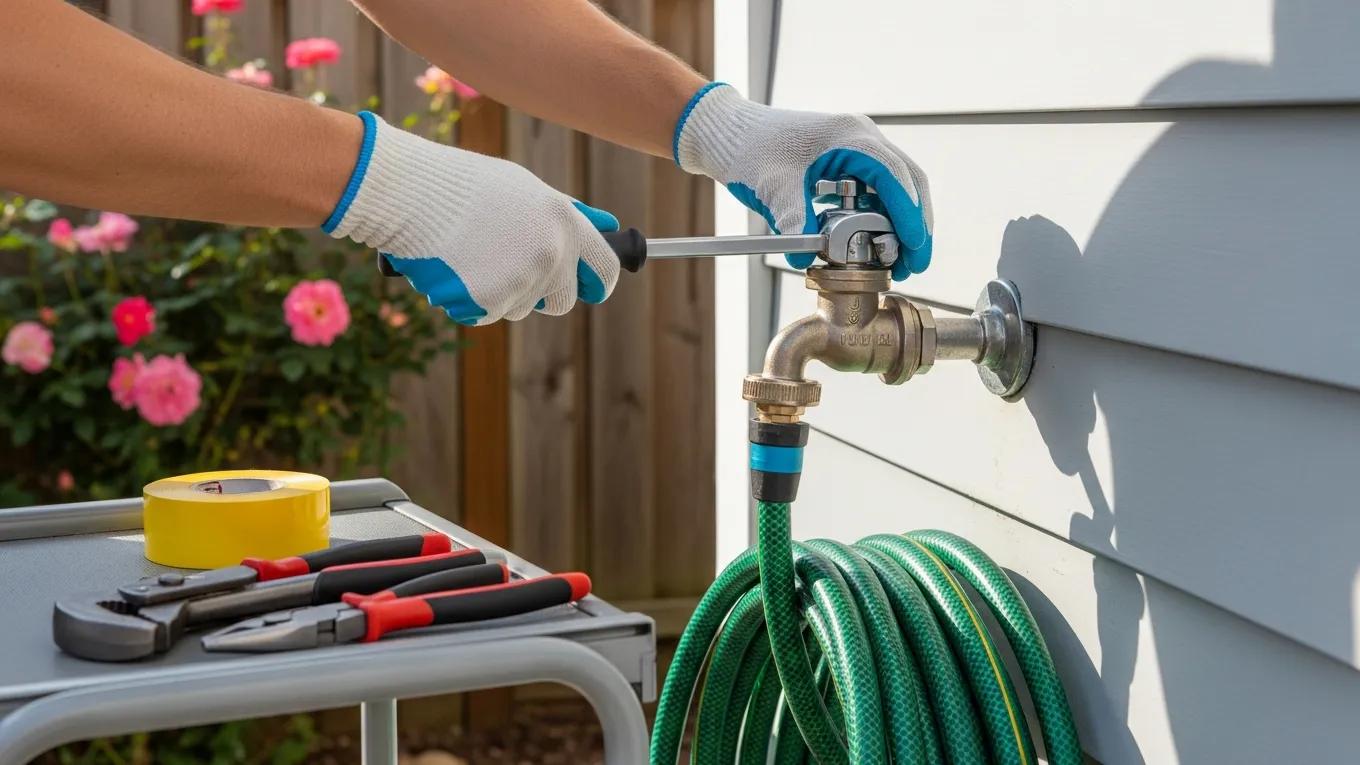
An outdoor faucet does more than deliver water to a garden hose. Once a hose is connected, it can create a potential pathway between the home’s potable water system and water or substances outside the plumbing system.
Backflow protection is designed to prevent water from reversing direction and carrying contaminants back toward the drinking water supply.
This becomes particularly important when a hose is submerged in a bucket, attached to certain lawn or garden equipment, or left in standing water. If supply pressure drops and the right conditions exist, backsiphonage can potentially draw that water backward through the connection.
For homeowners planning hose bib repair or replacement, checking whether the outdoor faucet has appropriate backflow protection is therefore an important part of evaluating the complete fixture, rather than focusing only on leaks.
How Does a Hose Bib Vacuum Breaker Prevent Backflow?
Many residential outdoor faucets use a hose connection vacuum breaker or an anti-siphon feature. The device is intended to interrupt the conditions that could otherwise allow contaminated water to be siphoned backward through the hose.
Some modern hose bibs and frost-free sillcocks have backflow protection incorporated into the fixture. Older faucets may use a separate vacuum breaker that threads onto the hose connection.
These devices should not be confused with larger backflow assemblies used for irrigation systems or other applications. Pressure vacuum breakers and double-check valve assemblies serve different plumbing configurations and are not simply interchangeable upgrades for a standard garden faucet.
The correct protection depends on the plumbing application and applicable local plumbing requirements.
When Does a Backflow Preventer Need Attention?
A vacuum breaker can develop problems just like other faucet components. Signs worth investigating include persistent leakage from the device, visible cracking or corrosion, difficulty attaching a hose, or unusual spraying when the faucet is operating.
A brief release of water from some vacuum breaker designs when the faucet is shut off does not necessarily indicate failure. The device may be relieving pressure as part of normal operation. Persistent leakage while the faucet is running, however, can indicate deterioration, debris, improper installation, or a damaged component.
Before replacing anything, determine whether the vacuum breaker is removable. Some outdoor faucets have integrated anti-siphon assemblies, while others use externally attached devices. The appropriate repair depends on the design.
How to Replace a Threaded Hose Bib Vacuum Breaker
If the faucet uses a removable, threaded vacuum breaker, replacement may be relatively simple. First, shut off the water supply and relieve pressure at the faucet. Disconnect the garden hose and inspect the existing device for corrosion, damage, or mineral buildup.
Remove the old vacuum breaker according to its design. Some models include locking or set screws intended to prevent accidental removal. Forcing one off without understanding how it is secured can damage the hose bib threads.
Before installing the replacement, confirm that it is designed for the faucet connection and intended application. Follow the manufacturer’s installation instructions regarding thread sealing, orientation, tightening, and any locking mechanism.
Plumber’s tape should not automatically be added to every connection because some products rely on washers or other sealing methods instead.
Once installed, restore the water and operate the faucet. Check the connection for leakage and verify that the device functions normally when the water is turned on and off.
Can an Anti-Siphon Hose Bib Be Repaired?
Integrated anti-siphon faucets may have serviceable components beneath the vacuum breaker cap. Depending on the model, a damaged internal component may be replaceable without removing the entire faucet.
If replacement parts are unavailable, the body is cracked, or the internal assembly is badly deteriorated, replacing the complete hose bib may be the better solution. Whole-fixture replacement can be more complicated because the faucet connects directly to the home’s water line, sometimes inside the wall.
This is also where hose bib repair can shift from a small DIY project to a plumbing job. Applying excessive force to a corroded exterior faucet can loosen or damage the concealed supply connection.
Choose Backflow Protection for the Actual Plumbing Application
Backflow protection should be selected according to the type of connection and its potential contamination risk, not simply by choosing the device that sounds most protective.
A standard garden hose connection, an underground irrigation system, and equipment that introduces chemicals into water can require different safeguards.
Local plumbing codes may also specify what type of backflow prevention is required and whether certain devices must be installed, tested, or serviced by qualified professionals.
When replacing an outdoor faucet, it is worth considering a hose bib or frost-free sillcock with built-in anti-siphon protection where appropriate.
If the existing setup is unclear, repeatedly leaks from the backflow device, or supplies a more complex irrigation or chemical system, a plumber can determine the appropriate protection for that specific installation.
How to Maintain and Winterize Outdoor Faucets to Prevent Leaks and Freeze Damage
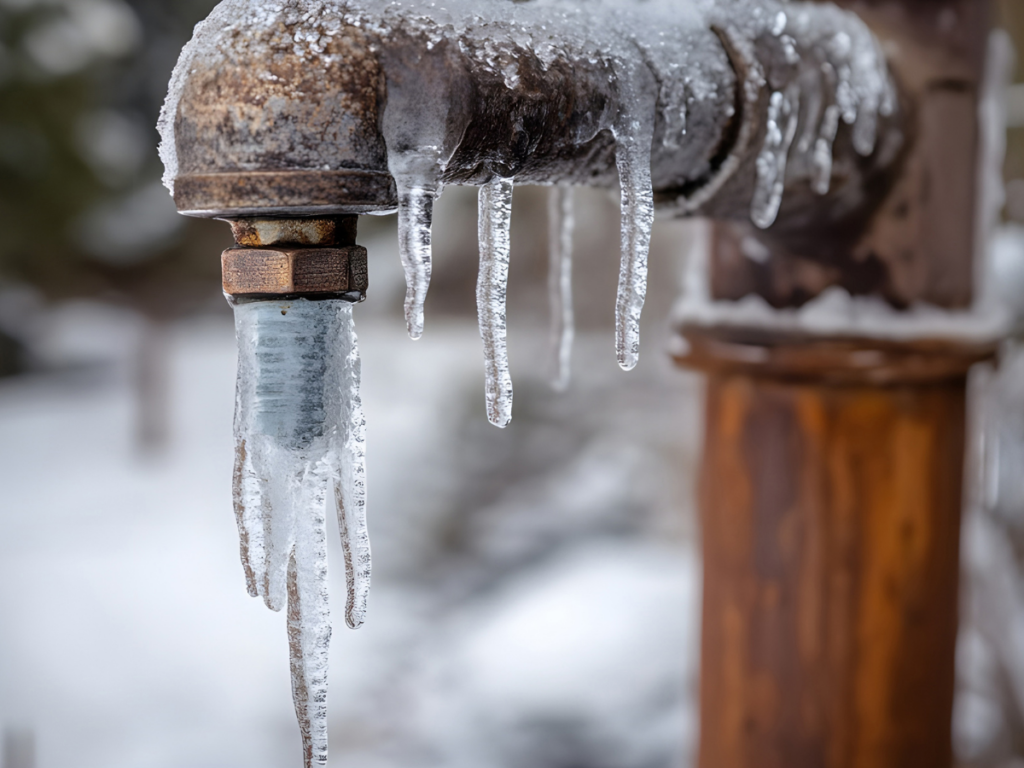
Outdoor faucets spend their lives exposed to weather, moisture, garden equipment, and frequent hose connections. A small amount of preventive maintenance can reduce unnecessary water loss and help catch deterioration before it becomes a larger plumbing problem.
In climates where temperatures fall below freezing, seasonal preparation becomes especially important because trapped water can freeze, expand, and damage the faucet or connected piping.
For homeowners, maintenance is also an opportunity to identify when a simple adjustment is sufficient and when hose bib repair is needed.
Inspect Outdoor Faucets Before Problems Become Leaks
Check exterior faucets periodically for dripping, corrosion, cracks, loose handles, damaged threads, and moisture around the wall penetration. Operate each faucet and inspect it both while running and after it has been shut off.
Pay attention to changes in how the fixture operates. A handle that suddenly becomes difficult to turn, persistent dripping from the spout, or water escaping around the stem can indicate worn internal components.
Moisture appearing where the pipe enters the wall may suggest a connection problem that deserves quicker attention.
Garden hoses and attachments should be inspected as well. A damaged hose washer can leak considerably at the connection even when the hose bib itself is functioning correctly.
How to Prepare a Hose Bib for Freezing Weather
Winterization should begin before sustained freezing temperatures arrive. The exact procedure depends on the home’s plumbing configuration and whether the fixture is a conventional hose bib or a frost-free sillcock.
For a conventional outdoor faucet with a dedicated interior shutoff, a typical winterization process involves:
- Disconnect hoses, splitters, timers, and other attachments.
- Close the interior shutoff valve supplying the outdoor faucet.
- Open the exterior faucet to allow water in the isolated section to drain.
- Follow the plumbing system’s requirements for any drain or bleeder valve associated with the shutoff.
- Leave the fixture configured according to the manufacturer’s or plumber’s recommendations for winter conditions.
Disconnecting the garden hose matters even when the home has a frost-free faucet. A frost-free sillcock is designed so its shutoff point sits farther inside the building, but it must be able to drain after use. An attached hose or accessory can trap water inside the faucet and undermine that protection.
Do Outdoor Faucet Covers Prevent Freezing?
Insulated faucet covers can provide additional protection from cold air, particularly for exposed conventional fixtures, but they should not be treated as a substitute for proper winterization.
A cover cannot correct a pipe that still contains trapped water, a poorly installed frost-free sillcock, or plumbing exposed to prolonged extreme cold.
Where a conventional faucet has an interior shutoff and can be drained, shutting off and draining the line provides more meaningful protection than simply placing insulation over the exterior fixture.
Air leaks around the wall penetration can also expose plumbing to colder temperatures. Appropriate exterior sealing around the penetration may improve weather resistance, provided the work does not interfere with drainage or conceal an existing leak.
How to Maintain Frost-Free Hose Bibs
Frost-free does not mean maintenance-free. These fixtures rely on their design and installation to allow water to drain away from the exterior portion after the valve closes.
Remove hoses before freezing weather and watch for water that continues dripping long after the faucet has been turned off. If a frost-free faucet leaks only when it is running, particularly if moisture appears inside the home or wall, the barrel may have been damaged by freezing.
That situation requires more than replacing an exterior washer. The water supply should be shut off and the fixture inspected because concealed leakage can damage insulation, drywall, framing, or other building materials.
How Hose Bib Repair Helps Reduce Water Waste
Water conservation starts with stopping leaks rather than simply using less water at the faucet. A fixture that drips continuously wastes treated water without providing any benefit, while a leaking hose connection can lose water whenever the faucet is operating.
Prompt hose bib repair can address worn washers, seals, packing, vacuum breakers, and other serviceable components before leakage worsens. Replacing the complete fixture may be more appropriate when the faucet is cracked, badly corroded, freeze-damaged, or no longer reliably repairable.
It is also worth checking hoses, spray nozzles, irrigation connections, and timers because the hose bib is only one part of the outdoor watering setup.
Follow Local Plumbing Requirements When Repairing or Replacing a Hose Bib
Plumbing requirements can vary by jurisdiction, so there is no single “latest” rule that applies to every property. Local codes may address approved piping materials, backflow protection, fixture installation, freeze protection, and when permits or inspections are required.
A basic washer replacement is very different from altering the home’s water-supply piping. If hose bib repair involves replacing concealed pipe, changing the water connection, installing unfamiliar backflow equipment, or modifying plumbing inside the wall, check local requirements before proceeding.
Routine inspection, timely leak repair, proper winterization, and sensible water use work together. They protect the fixture itself while reducing the chance that a small outdoor plumbing problem develops into wasted water or hidden property damage.
When to Hire a Professional for Hose Bib Repair or Replacement
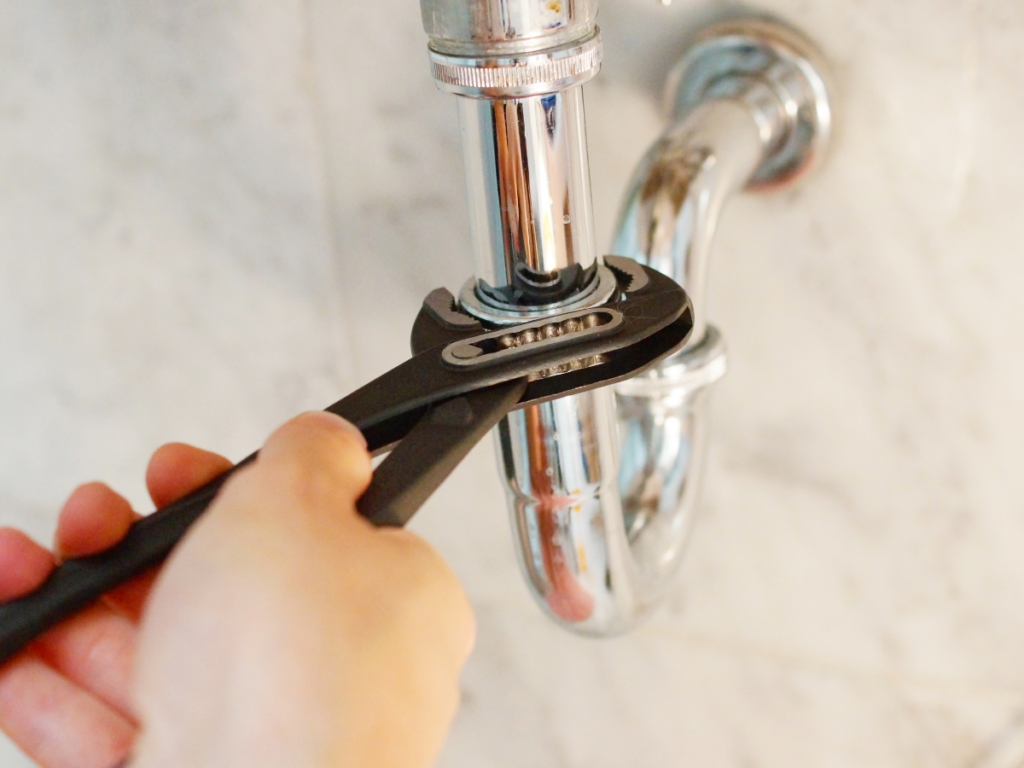
Some outdoor faucet problems can be solved with a new washer or O-ring, but others involve the fixture’s connection to the home’s water supply. Knowing when to bring in a plumber can prevent a straightforward leak from becoming water damage inside a wall.
Professional hose bib repair is worth considering when the faucet is cracked, heavily corroded, loose at the wall, leaking from concealed piping, or still dripping after basic components have been replaced.
A plumber can also determine whether repairing the existing fixture makes sense or whether complete replacement offers a more reliable solution.
How to Choose a Plumber for Outdoor Faucet Repair
Rather than selecting a plumber based on price alone, look at whether the company is equipped to diagnose the entire outdoor faucet assembly. A persistent leak may originate from the valve, supply connection, vacuum breaker, or piping behind the wall.
When comparing plumbing companies, ask about:
- Licensing and insurance: Verify any licensing required in your state or municipality and confirm that the company carries appropriate insurance.
- Experience with exterior plumbing: Ask whether the plumber regularly repairs hose bibs, frost-free sillcocks, anti-siphon faucets, and related supply connections.
- Written estimates: A useful estimate should explain the proposed work and identify what is included rather than providing only a single unexplained price.
- Warranty terms: Find out whether workmanship and replacement fixtures are covered and for how long.
- Customer reviews: Look beyond the overall rating. Reviews describing leak diagnosis, communication, pricing, and follow-up service can provide more useful insight.
- Repair versus replacement recommendations: A reputable professional should be able to explain why a component can be repaired or why replacing the complete fixture would be more practical.
If the problem involves backflow protection or concealed plumbing, ask whether that work is included in the estimate.
When Is Repair Better Than Replacing the Hose Bib?
Repair usually makes sense when the faucet body and plumbing connection remain in good condition and the problem is limited to a serviceable component. Worn washers, packing, O-rings, stems, or certain vacuum breaker components may be replaceable depending on the fixture.
Complete replacement becomes more attractive when the faucet body is cracked, threads are badly damaged, corrosion is extensive, replacement parts are unavailable, or previous repairs have failed.
A homeowner may also choose replacement when upgrading an older fixture. Depending on the property and climate, that could mean installing a frost-free sillcock or a model with appropriate built-in backflow protection.
The important distinction is where the work occurs. Replacing an internal washer is a small repair. Replacing a faucet connected to piping behind siding, masonry, or an interior wall can involve considerably more labor and risk.
What Affects the Cost of Professional Hose Bib Repair?
Quoting a universal price range for outdoor faucet work can be misleading because the scope varies significantly from one property to another. A basic seal replacement and a complete faucet replacement involving concealed piping are fundamentally different jobs.
Professional repair costs can be affected by the faucet type, accessibility, extent of corrosion, replacement parts, local labor rates, and whether the plumber needs to open or repair surrounding materials. Frost or water damage behind the wall can increase the scope further.
Ask whether the estimate includes the service or diagnostic fee, labor, replacement fixture or parts, backflow components, and any necessary wall access or restoration. This makes competing estimates easier to compare.
How Long Does Outdoor Faucet Repair Take?
Many accessible repairs can be completed during a standard plumbing service visit, but there is no dependable one-size-fits-all timeframe.
Replacing a readily accessible washer or faucet is generally less involved than repairing a connection concealed behind a finished wall. Corroded fittings, difficult access, damaged supply piping, or the need to obtain a specific replacement component can extend the job.
Instead of relying on a generic time estimate, describe the symptoms when scheduling service. Mention whether the faucet drips when closed, leaks only while running, moves at the wall, has visible corrosion, or appears to be frozen.
Photos may also help the plumbing company understand what equipment or parts could be needed.
What to Expect During a Professional Service Visit
A plumber should first identify the source of the leak rather than automatically replacing the exterior faucet. That may involve operating the fixture, inspecting accessible connections, checking internal components, and determining whether water is escaping behind the wall.
After diagnosis, the plumber can recommend targeted hose bib repair or complete replacement and explain the reasoning behind the recommendation.
Once the work is complete, the fixture should be tested under normal operating conditions and checked for leakage at the spout, stem, hose connection, and supply connection.
For concealed leaks, recurring problems, freeze damage, or deteriorated plumbing, that diagnostic approach is often more valuable than simply choosing the lowest advertised repair price.
Conclusion
A leaking hose bib may seem like a minor problem, but ignoring it can waste water, increase utility costs, and potentially lead to moisture damage around your home.
Simple issues such as worn washers or loose connections may be easy to address, while persistent leaks, damaged pipes, or faulty outdoor faucets often require professional attention. Taking care of the problem early can help protect your plumbing system and prevent more expensive repairs later.
For dependable hose bib repair and professional plumbing services, choose JW Plumbing Pros. If you’re ready to fix your leaking outdoor faucet and get your plumbing back in proper working order, call 770-635-5159 to speak with the team at JW Plumbing Pros or fill out the online form to request your free quote today.