
Clean water should only flow in one direction. When pressure changes occur in a plumbing system, contaminated water can sometimes reverse course and enter the clean water supply.
That’s where backflow prevention devices become essential. These systems are designed to protect drinking water from pollutants, chemicals, and other contaminants that can enter through cross-connections.
Understanding backflow prevention devices means learning how different types work, what risks they help prevent, and why regular testing and maintenance matter. Regulations often require specific devices in residential, commercial, and irrigation systems to help keep water supplies safe and compliant.
With the right knowledge, property owners can better protect water quality, avoid costly plumbing issues, and stay aligned with local safety requirements.
Backflow Prevention Basics Every Property Owner Should Know
What Are Backflow Prevention Devices and Why Are They Essential?
Backflow prevention devices are specialized plumbing components designed to stop contaminated water from flowing backward into a clean water supply. Under normal conditions, water moves in one direction through a plumbing system. However, pressure changes inside pipes can sometimes cause water to reverse direction, creating a serious risk of contamination.
This is where backflow prevention becomes essential. These devices help protect drinking water by ensuring that polluted or non-potable water cannot re-enter the public or private water supply. They are commonly used in residential, commercial, and industrial plumbing systems where there is a risk of cross-contamination.
Understanding how backflow prevention works is important for homeowners, property managers, and businesses that want to maintain safe and compliant plumbing systems.
Why Backflow Prevention Matters for Water Safety
The main purpose of backflow prevention is to protect public health. When backflow occurs, contaminants such as chemicals, fertilizers, wastewater, or bacteria can enter clean water lines. Even a temporary pressure change can create conditions where polluted water is pulled backward into the drinking water system.
Pressure drops may happen during events such as water main breaks, heavy fire department usage, or sudden increases in water demand. When this occurs, water can siphon backward through connected systems if proper safeguards are not in place.
Backflow prevention devices help stop this process before contamination spreads throughout the plumbing network. Their role is especially important in facilities where irrigation systems, boilers, industrial equipment, or chemical systems connect to the main water supply.
Research from public health and plumbing safety organizations continues to emphasize the importance of protecting plumbing systems from contamination risks. Preventing reverse water flow is considered a foundational part of maintaining safe drinking water standards.
How Backflow Prevention Devices Work
Backflow prevention devices use different mechanical methods to keep water flowing in the correct direction. One of the most common components is a check valve, which automatically closes if water begins moving backward through the pipe.
More advanced systems, such as reduced-pressure zone assemblies, create controlled pressure differences between potable and non-potable water systems. This setup prevents contaminated water from crossing into clean water lines even if pressure conditions suddenly change.
Some systems also include air gaps, which physically separate clean water from potential contamination sources. These are often used in sinks, dishwashers, and industrial plumbing applications where direct cross-connections could pose a risk.
Each type of backflow prevention device is designed for specific levels of hazard protection. Plumbing professionals typically determine the appropriate device based on the level of contamination risk within the property or system.
The Connection Between Backflow and Water Contamination
The relationship between backflow and water contamination is direct and significant. When contaminated water reverses into a clean supply, harmful substances can spread quickly through the plumbing system.
For example, irrigation systems that use fertilizers or pesticides can become contamination sources if proper backflow prevention devices are not installed. Similarly, commercial buildings that use chemical cleaners or industrial fluids may accidentally introduce hazardous materials into the water supply during pressure fluctuations.
There have been documented cases where backflow incidents contributed to outbreaks of waterborne illness or chemical contamination. These situations often occur when systems lack proper maintenance, testing, or installation.
Because of these risks, many municipalities require regular inspection and testing of backflow prevention devices to ensure they continue functioning properly.
Why Regular Maintenance Is Important
Installing a backflow prevention device is only part of the solution. Over time, components can wear out, become blocked, or fail due to corrosion and debris buildup. Regular testing helps confirm that the device still provides effective protection.
In many areas, annual inspections are required for commercial properties and certain residential systems. Certified plumbing professionals typically perform these tests to verify that valves, seals, and pressure systems are operating correctly.
Routine maintenance also helps property owners avoid costly plumbing issues and compliance violations while ensuring continued water safety.
Which Types of Backflow Prevention Devices Are Commonly Used?
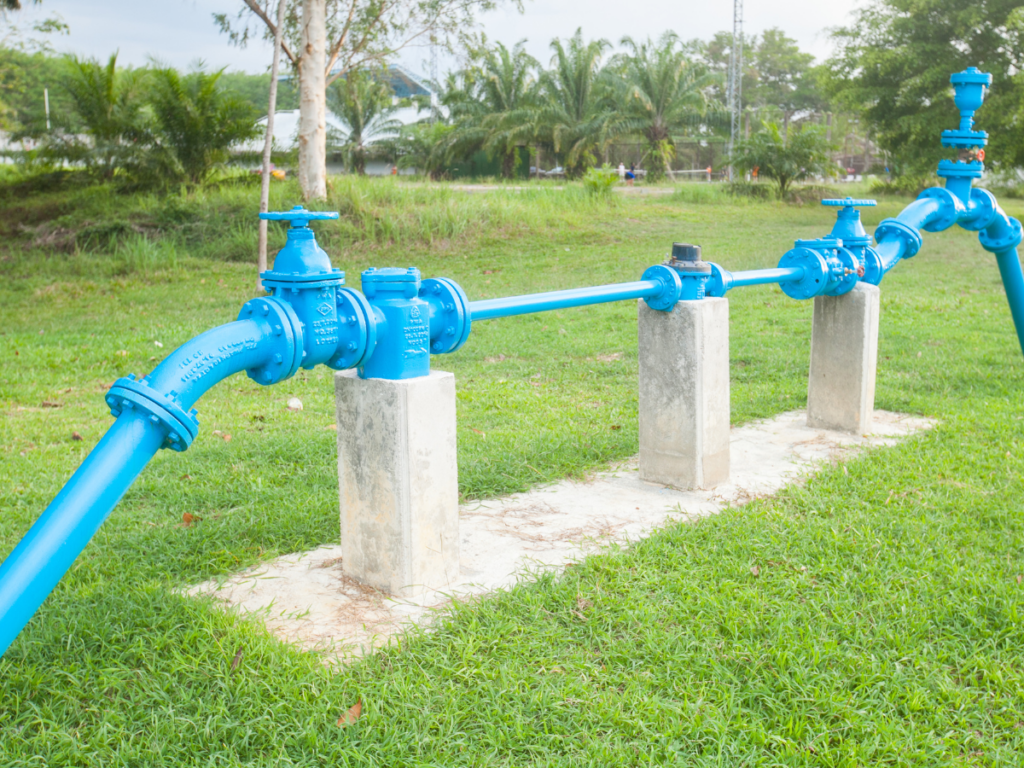
Several types of backflow prevention devices are used in modern plumbing systems to protect clean water from contamination. Each device is designed for a specific level of risk and is installed based on the type of plumbing system, the potential contamination hazard, and local plumbing regulations.
Understanding the differences between these devices is important for selecting the right level of protection. Some systems only require basic backflow safeguards, while others, especially in commercial or industrial settings, need more advanced protection against hazardous contaminants.
The most commonly used backflow prevention devices include check valves, reduced-pressure zone assemblies, double check valve assemblies, and pressure vacuum breakers.
How Check Valves Help Prevent Backflow
Check valves are among the simplest and most widely used backflow prevention devices. Their primary purpose is to allow water to move in one direction while automatically stopping reverse flow if water pressure changes.
These valves use an internal mechanism, often spring-loaded, that closes when water begins moving backward through the pipe. Because of their straightforward design, check valves are commonly installed in residential plumbing systems, irrigation setups, and low-risk applications.
While check valves provide effective protection in many situations, they are generally best suited for lower-risk environments where the likelihood of hazardous contamination is minimal.
They work well for basic plumbing protection but may not meet the requirements for systems handling chemicals, industrial fluids, or high-risk contaminants.
Why Reduced-Pressure Zone Assemblies Offer Higher Protection
Reduced pressure zone assemblies, often called RPZ devices, provide one of the highest levels of backflow prevention available. These systems are commonly used in commercial buildings, industrial facilities, healthcare environments, and other locations where contamination risks are more serious.
Unlike simple check valves, RPZ assemblies use multiple protective components, including two check valves and a pressure relief valve positioned between them. This setup creates a controlled pressure difference that prevents contaminated water from entering the clean water supply even if one valve fails.
If abnormal pressure conditions develop, the relief valve automatically releases water to maintain safe separation between potable and non-potable systems. This added layer of protection makes RPZ assemblies highly effective in high-risk applications.
Because these systems are more complex, they also require regular testing and maintenance to ensure proper operation.
The Role of Double Check Valve Assemblies
Double check valve assemblies provide another common form of backflow prevention. These devices use two independently operating check valves to create added protection against reverse water flow.
They are frequently installed in commercial irrigation systems, fire sprinkler systems, and moderate-risk plumbing applications. While they offer stronger protection than a single check valve, they are generally not recommended for situations involving toxic or hazardous substances.
One advantage of double check valve assemblies is their compact design and relatively low maintenance requirements compared to larger RPZ systems. However, local plumbing codes typically determine where these devices can legally be used.
How Pressure Vacuum Breakers Protect Plumbing Systems
Pressure vacuum breakers are commonly used in outdoor irrigation and sprinkler systems. These devices protect against back-siphonage, which occurs when negative pressure pulls contaminated water backward into the clean water supply.
Pressure vacuum breakers work by allowing air into the system when pressure drops suddenly. This breaks the vacuum effect and prevents contaminated water from being siphoned into potable water lines.
These systems are particularly useful for lawn irrigation setups where fertilizers, pesticides, or standing water could otherwise contaminate the plumbing system during pressure fluctuations.
Choosing the Right Backflow Prevention Device
Selecting the correct backflow prevention device depends on several factors, including the type of property, water usage, contamination risk, and local code requirements.
Residential systems may only require basic protection, while commercial and industrial properties often need advanced assemblies designed for higher-risk environments. Plumbing professionals typically evaluate the degree of hazard present before recommending the appropriate device.
Proper installation is just as important as selecting the right equipment. Even high-quality backflow prevention systems can fail if installed incorrectly or left unmaintained over time.
How Does Cross Connection Control Ensure Plumbing Safety?
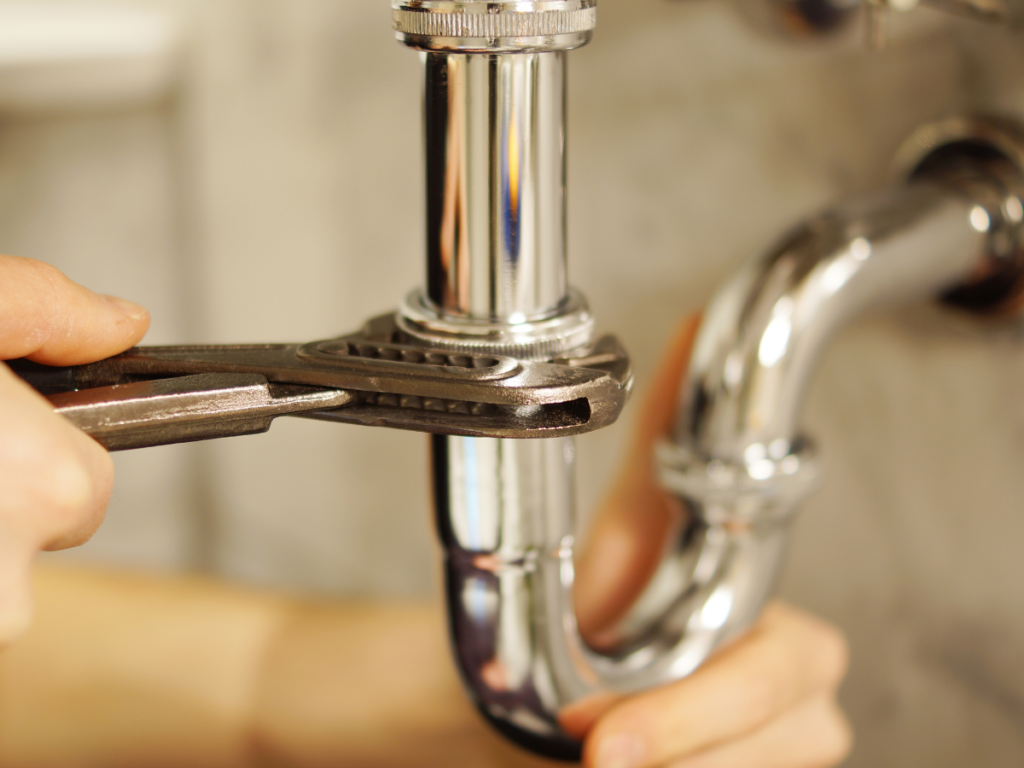
Cross connection control is an important part of maintaining safe and reliable plumbing systems. A cross connection occurs when potable water, meaning clean drinking water, comes into contact with non-potable water or other potentially hazardous substances.
Without proper safeguards in place, contaminated water can flow back into the drinking water supply and create serious health risks. This is why cross connection control and backflow prevention work closely together.
While backflow prevention devices stop reverse water flow, cross connection control focuses on identifying and managing points where contamination could potentially occur in the first place.
Many plumbing regulations require cross connection control measures because protecting public water systems is considered a critical public health responsibility.
Why Cross Connections Create Contamination Risks
Cross connections can develop in both residential and commercial plumbing systems. In some cases, the risks may seem minor at first, but pressure changes within the system can quickly turn these situations into major contamination hazards.
One common example involves garden hoses submerged in pools, buckets, or chemical containers. If water pressure suddenly drops, contaminated water can be siphoned backward through the hose and into the potable water supply.
Irrigation systems also present potential cross-connection risks, especially when fertilizers, pesticides, or untreated water sources are involved. Without proper backflow prevention devices, contaminants from irrigation lines may enter the main water system during pressure fluctuations.
Commercial and industrial facilities often face even greater risks because of equipment connected to chemicals, boilers, cooling systems, or industrial fluids. In these environments, cross connection control becomes especially important for preventing hazardous substances from entering public water supplies.
Historically, the health risks associated with cross connections led many health departments and regulatory agencies to establish plumbing codes specifically focused on contamination prevention and water system protection.
How Backflow Prevention Supports Cross Connection Control
Backflow prevention devices are one of the primary tools used in cross-connection control programs. These devices help isolate potable water from non-potable systems by stopping reverse water flow caused by pressure changes.
Different types of backflow prevention devices are used depending on the level of contamination risk involved. For example, a simple residential irrigation system may use a pressure vacuum breaker, while a commercial facility handling chemicals may require a reduced-pressure zone assembly for higher-level protection.
Proper installation is critical because incorrectly installed devices may fail to provide adequate protection during pressure disruptions.
Backflow prevention systems are often placed at locations where contamination risks are highest, such as irrigation systems, boiler connections, chemical feed systems, and fire sprinkler lines.
How Cross Connection Control Is Implemented
Cross connection control programs typically involve several layers of protection rather than relying on a single solution. In addition to installing backflow prevention devices, many municipalities require regular inspections, testing, and documentation to ensure systems remain compliant.
Plumbing professionals often conduct surveys to identify potential cross connections throughout a property. During these inspections, they evaluate areas where potable and non-potable systems may interact and determine whether proper safeguards are in place.
Regular testing is especially important for commercial and industrial properties where higher-risk plumbing systems are common. Over time, backflow prevention devices can wear out or malfunction, reducing their effectiveness if they are not properly maintained.
Education also plays an important role in cross-connect control. Property owners, facility managers, and maintenance teams benefit from understanding how contamination risks develop and why ongoing inspections matter.
The Importance of Regulatory Compliance
Many local and state plumbing regulations require backflow prevention and cross-connection control measures as part of building safety standards. Compliance helps protect both private plumbing systems and broader municipal water supplies.
Failing to maintain proper backflow prevention devices or ignoring cross connection risks can lead to contamination incidents, fines, or required system upgrades. More importantly, it can create health hazards for building occupants and surrounding communities.
By following established plumbing codes and maintenance schedules, property owners can significantly reduce these risks while supporting long-term water safety.
What Are the Regulatory Standards Governing Backflow Prevention Devices?
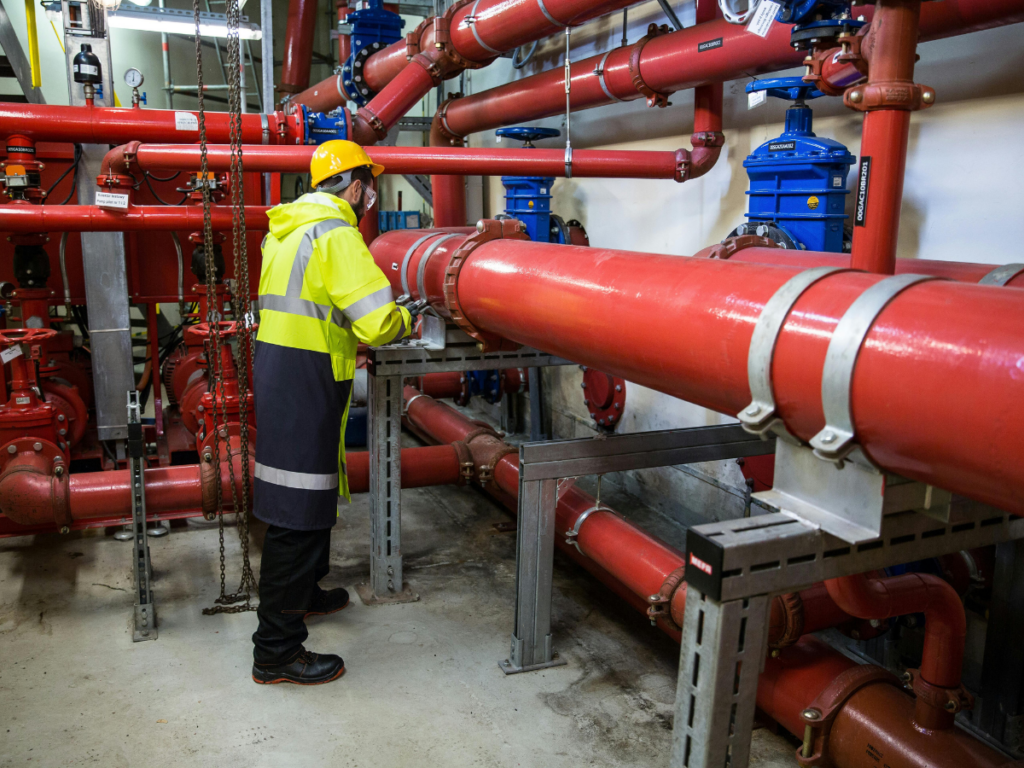
Regulatory standards for backflow prevention are designed to protect public drinking water systems from contamination. These rules establish how backflow prevention devices should be installed, tested, inspected, and maintained to ensure plumbing systems remain safe and compliant.
Because backflow incidents can introduce chemicals, bacteria, and other contaminants into potable water supplies, local governments and health agencies take these regulations seriously.
Property owners, contractors, and facility managers are often required to follow specific plumbing codes that address both residential and commercial systems.
Understanding how these regulations work can help property owners avoid compliance issues while maintaining a safer water supply.
Why Backflow Prevention Regulations Matter
The purpose of backflow prevention regulations is straightforward: to reduce the risk of contaminated water flowing backward into clean water systems. Even a temporary drop in water pressure can create conditions where polluted water enters a potable supply if proper safeguards are not in place.
This is especially important in buildings with irrigation systems, fire sprinkler systems, commercial kitchens, medical facilities, or industrial equipment connected to water lines. These environments often involve a higher risk of cross-contamination, making proper backflow prevention essential.
Regulatory standards ensure that approved devices are used in the correct situations and that systems are regularly tested to confirm they continue functioning properly over time.
Which Plumbing Backflow Regulations Apply From 2024 to 2026?
Between 2024 and 2026, many municipalities and plumbing authorities will continue updating standards related to water safety, device testing, and system inspections. While regulations vary by state and local jurisdiction, most are based on nationally recognized plumbing and water safety codes.
These updates commonly focus on improving testing accuracy, strengthening inspection requirements, and ensuring that certified professionals handle installation and maintenance work. Some areas are also increasing enforcement around annual testing schedules for commercial properties and multi-unit buildings.
Many jurisdictions now require digital documentation and reporting for backflow prevention testing, making compliance tracking more consistent and accessible for local water authorities.
For property owners, staying current with local code updates is important because noncompliance may lead to fines, failed inspections, or water service interruptions in some areas.
How Regulations Affect Installation Requirements
Regulatory standards heavily influence how backflow prevention devices are selected and installed. Different plumbing situations require different types of protection based on the level of contamination risk involved.
For example, a residential irrigation system may only require a pressure vacuum breaker, while a commercial facility handling hazardous chemicals may need a reduced-pressure zone assembly for added protection.
Codes also determine where devices must be installed within the plumbing system. Proper placement is critical because incorrect installation can reduce effectiveness and create gaps in protection.
In many jurisdictions, installations must be completed by licensed plumbers or certified backflow specialists who understand local plumbing regulations and testing procedures.
Why Testing and Maintenance Standards Are Important
Backflow prevention devices are mechanical systems, which means they can wear down over time. Springs may weaken, valves may fail, and debris can interfere with proper operation. Because of this, regulatory standards typically require periodic testing and maintenance.
Annual testing is one of the most common requirements, especially for commercial and high-risk properties. During these inspections, certified testers evaluate whether the device is functioning correctly and meeting performance standards.
Testing records are often submitted to local water authorities as proof of compliance. If a device fails inspection, repairs or replacement may be required before the system can pass certification.
Regular maintenance not only supports compliance but also helps extend the life of the equipment and reduces the likelihood of unexpected plumbing issues.
The Role of Certified Professionals
Many backflow prevention regulations specify who can legally install, inspect, or test these devices. Certified backflow testers and licensed plumbers are trained to identify risks, follow code requirements, and ensure devices are operating properly.
Working with qualified professionals is important because even a properly designed backflow prevention system can fail if it is incorrectly installed or poorly maintained.
Professionals also help property owners understand changing regulations and testing schedules, making it easier to stay compliant over time.
How Are Backflow Prevention Devices Tested and Maintained Effectively?
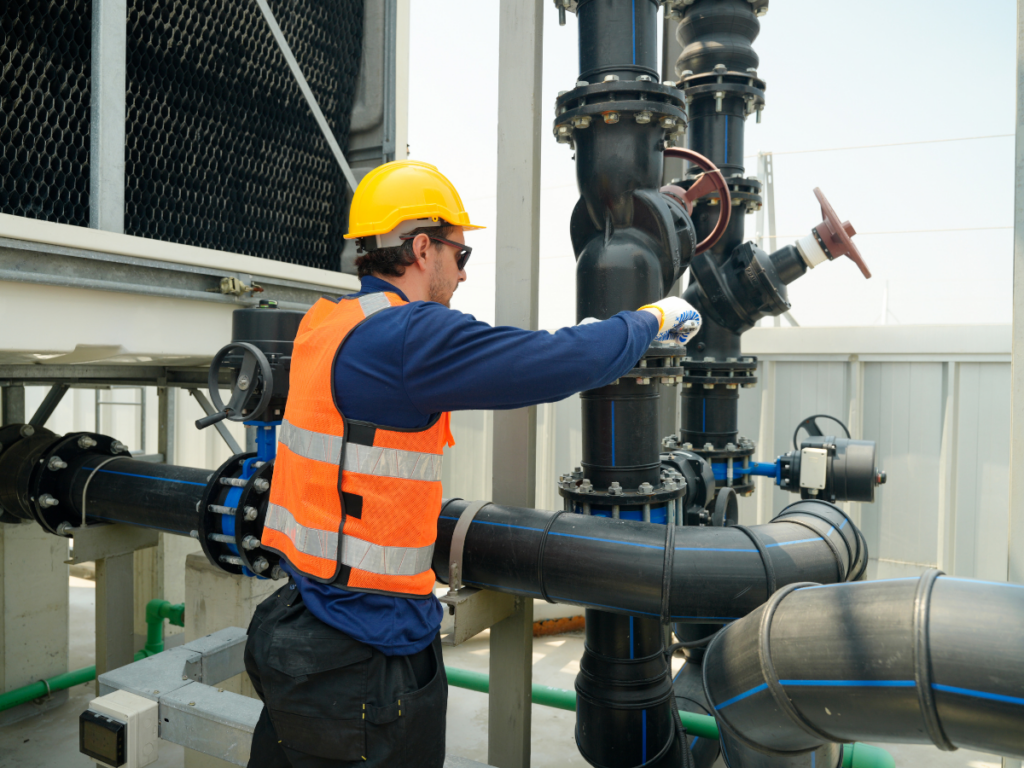
Proper testing and maintenance are essential for keeping backflow prevention devices functioning correctly. Even a well-installed device can fail over time due to wear, debris buildup, pressure fluctuations, or damaged internal components.
Regular inspections help identify these issues before they create a risk for water contamination. Because these devices protect drinking water systems from hazardous backflow events, many municipalities require routine testing as part of local plumbing and public health regulations.
Staying proactive with maintenance not only supports compliance but also helps extend the lifespan of the equipment.
Why Regular Backflow Testing Matters
Backflow prevention devices operate under constant pressure changes within plumbing systems. Over time, valves, seals, and springs can weaken or become obstructed, reducing the device’s ability to prevent reverse water flow.
Routine testing helps confirm that the device is still performing as intended. During an inspection, certified testers evaluate pressure levels, valve operation, and overall device integrity to ensure the system can properly stop contaminated water from entering the clean water supply.
Testing is especially important in commercial properties, irrigation systems, restaurants, medical facilities, and industrial buildings, where the risk of contamination is higher. In these environments, a malfunctioning device can create serious health and safety concerns if left undetected.
What Are the Recommended Backflow Testing Procedures and Schedules?
Most plumbing authorities recommend annual testing for backflow prevention devices, although some systems may require more frequent inspections depending on their risk classification and local regulations.
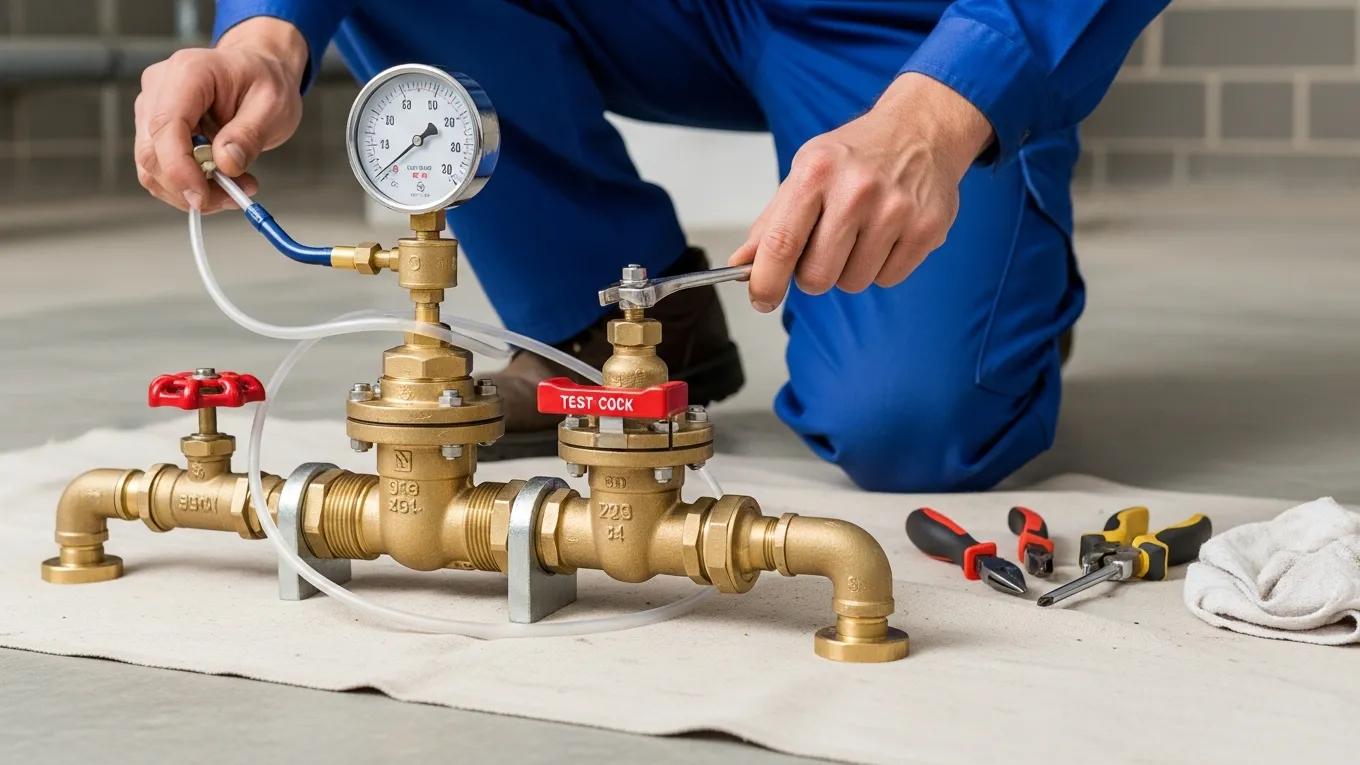
The testing process usually begins with shutting off the water supply connected to the device. Certified technicians then use specialized gauges and equipment to measure pressure performance and confirm that internal valves are sealing properly.
If the device passes inspection, the tester documents the results and submits the required paperwork to the local water authority if necessary. If the device fails, repairs or replacement may be required before the system can return to compliant operation.
In addition to annual inspections, backflow prevention devices should also be tested after installation, repairs, relocation, or significant plumbing modifications. These additional checks help verify that the system continues operating safely after any changes are made.
Common Maintenance Practices for Backflow Prevention Devices
Regular maintenance plays a major role in preserving the performance of backflow prevention systems. While testing identifies existing issues, preventative maintenance helps reduce the likelihood of future failures.
Routine maintenance may include cleaning internal components, replacing worn seals, inspecting valves for corrosion, and checking for leaks around fittings or relief ports. Outdoor devices may also require seasonal protection to prevent freezing damage during colder weather.
Environmental conditions can significantly impact performance over time. Dirt, mineral buildup, and fluctuating water pressure can all place stress on internal components, making periodic maintenance especially important in older plumbing systems.
Property owners who schedule regular service appointments often experience fewer emergency repairs and better long-term reliability from their backflow prevention systems.
How Certification Status Impacts Device Compliance and Safety
Certification is a critical part of backflow prevention compliance. Certified devices are tested to meet recognized safety and performance standards, helping ensure they can effectively protect potable water supplies.
Equally important is the certification of the professionals performing inspections and testing. Many jurisdictions require licensed or certified backflow testers to complete annual inspections because these evaluations require specialized knowledge and calibrated testing equipment.
Using certified professionals helps ensure accurate testing results and proper documentation for local compliance requirements. It also reduces the risk of missed issues that could compromise water safety.
The importance of professional certification is widely recognized within the plumbing and water safety industry: “Through certification or licensing programs, water professionals demonstrate they are competent to perform backflow prevention assembly testing.”
This focus on certification helps maintain consistency, accountability, and public safety across residential and commercial plumbing systems.
Signs a Backflow Prevention Device May Need Attention
In some cases, property owners may notice warning signs that indicate a device requires inspection or maintenance before the next scheduled test.
Common indicators include leaking valves, reduced water pressure, unusual noises, or visible corrosion around the assembly.
Any sudden change in water quality, such as discoloration or unusual odors, should also be taken seriously and inspected promptly. Addressing small issues early can prevent larger plumbing problems and reduce the risk of contamination events.
What Are the Risks of Water Supply Contamination Without Proper Backflow Prevention?
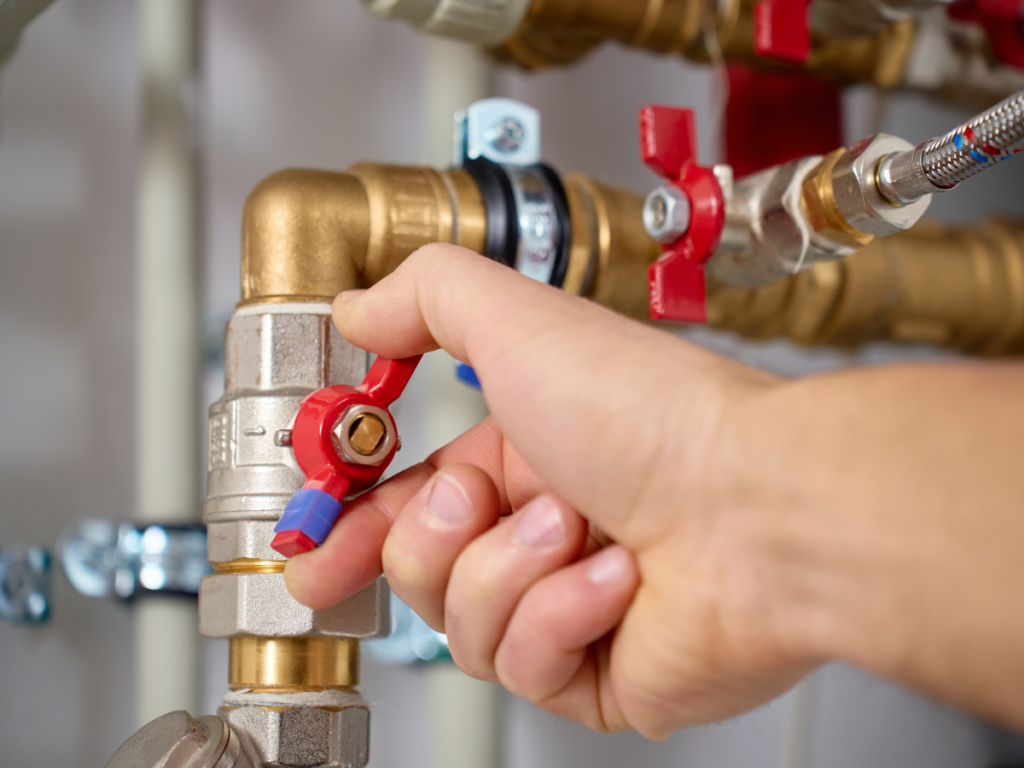
Water systems are designed to keep clean drinking water moving safely in one direction. When that flow reverses unexpectedly, contaminated water can enter the potable water supply and create serious health and safety concerns. This is why backflow prevention is such an important part of modern plumbing systems.
Without proper backflow prevention devices and maintenance procedures, homes, businesses, and public facilities become far more vulnerable to contamination events that may affect entire water systems. Even a temporary pressure change can create conditions where unsafe substances are pulled into clean water lines.
Understanding these risks helps property owners recognize why preventative measures are necessary for both regulatory compliance and public health protection.
How Backflow Events Happen
Backflow typically occurs when there is a sudden drop in water pressure within the main supply system. This pressure imbalance can pull contaminated water backward through connected plumbing lines.
Situations such as water main breaks, firefighting activity, heavy water demand, or equipment failure can all contribute to pressure changes that trigger backflow conditions.
Cross connections are another common concern. These occur when potable water lines are connected to non-potable sources such as irrigation systems, industrial equipment, chemical tanks, or wastewater systems.
Without proper backflow prevention measures, contaminants from these systems may enter the drinking water supply.
How Does Backflow Lead to Health and Safety Hazards?
Backflow contamination can expose people to bacteria, chemicals, fertilizers, pesticides, cleaning agents, and other harmful substances. Once contaminants enter the potable water system, they may spread quickly throughout a building or even across portions of a municipal water supply.
Health risks vary depending on the type of contaminant involved. In some cases, exposure may cause mild gastrointestinal illness. In more severe situations, contaminated water can contribute to outbreaks of serious waterborne diseases.
Healthcare facilities, restaurants, schools, apartment buildings, and industrial properties face particularly high risks because of the large number of people who rely on these water systems daily.
Beyond health concerns, backflow incidents can also create financial and legal consequences. Property owners may face emergency repair costs, failed inspections, business interruptions, or regulatory penalties if systems are not properly maintained.
Common Sources of Water Contamination
Many contamination risks originate from everyday plumbing connections that may seem harmless at first glance. Garden hoses submerged in pools, irrigation systems connected without proper protection, chemical sprayers, and boiler systems can all become potential contamination points.
Commercial and industrial properties often face additional risks because they may use chemicals, cleaning agents, or processing equipment connected directly to plumbing systems.
Without functioning backflow prevention devices, these substances can flow backward into potable water lines during pressure changes.
This is why plumbing codes and local regulations place strong emphasis on proper device installation, testing, and maintenance across both residential and commercial systems.
What Case Studies Demonstrate the Importance of Backflow Prevention?
Numerous real-world incidents demonstrate the importance of maintaining effective backflow prevention systems. In several documented cases, improper cross connections and failed backflow devices have allowed chemicals and contaminated water to enter public water supplies, affecting homes, schools, and businesses.
Some incidents have involved irrigation systems drawing fertilizers and pesticides into drinking water lines. Others have occurred in commercial buildings where cleaning chemicals or industrial fluids contaminated potable water systems after pressure fluctuations.
These events often result in public health investigations, temporary water advisories, and costly remediation efforts.
Case studies consistently reinforce the same lesson: even a single failed device or overlooked inspection can create widespread consequences if contamination enters the water supply.
Why Prevention Is More Effective Than Response
Responding to contamination after it occurs is often expensive, disruptive, and difficult to manage. Water systems may require flushing, testing, repairs, and temporary shutdowns before they can safely return to service.
Preventative measures are far more effective. Proper backflow prevention systems reduce risk before contamination occurs, helping protect both public health and plumbing infrastructure.
Routine inspections, certified testing, and compliance with local regulations all play important roles in maintaining safe water systems over time.
How Can Homeowners and Plumbers Ensure Effective Backflow Prevention?
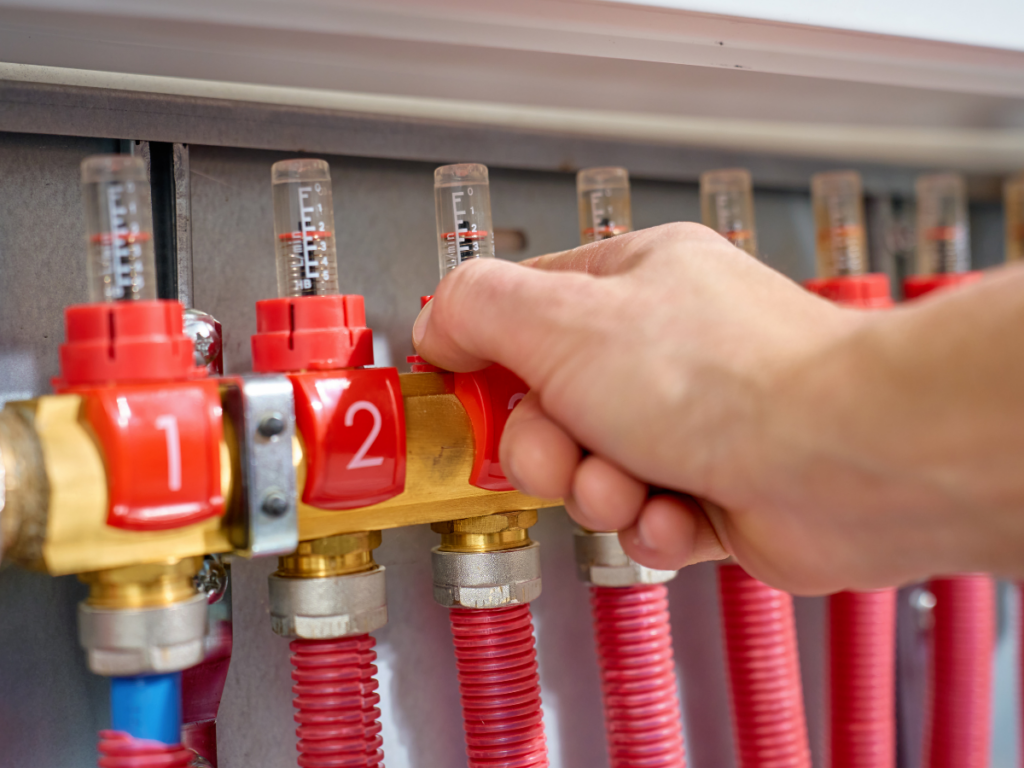
Effective backflow prevention depends on more than just installing the right device. Ongoing maintenance, proper testing, and awareness of current plumbing regulations all play an important role in protecting drinking water systems from contamination.
Both homeowners and plumbers share responsibility for maintaining safe plumbing systems. While licensed professionals handle installation and testing, property owners also need to understand how backflow prevention works and why regular inspections matter.
Taking a proactive approach can help reduce contamination risks, prevent costly plumbing problems, and ensure compliance with local water safety standards.
Why Proper Installation Matters
One of the most important parts of effective backflow prevention is choosing the correct device for the specific plumbing application. Different systems carry different levels of contamination risk, and each situation may require a different type of protection.
For example, irrigation systems, fire sprinkler systems, and commercial equipment often require specialized backflow prevention assemblies designed for higher-risk environments. Installing the wrong device or placing it incorrectly within the plumbing system can reduce its effectiveness and create vulnerabilities.
Professional installation is essential because licensed plumbers and certified backflow specialists understand local plumbing codes, pressure requirements, and device specifications. Proper installation helps ensure the system functions correctly from the start and meets regulatory requirements.
What are the Best Practices for Installation and Maintenance?
Consistent maintenance is one of the best ways to keep backflow prevention systems operating safely over time. Even durable devices can wear down as internal valves, seals, and springs experience pressure fluctuations and normal aging.
Best practices include scheduling annual inspections, testing devices regularly, and addressing small issues before they become larger problems. If a device begins leaking, loses pressure, or shows visible signs of corrosion, it should be inspected promptly by a qualified professional.
Backflow prevention devices should also be protected from environmental damage. Outdoor assemblies may require insulation or freeze protection during colder seasons, while debris and sediment buildup should be cleaned periodically to maintain proper performance.
Another important practice is maintaining clear documentation of testing and maintenance records. Many municipalities require proof of inspection for compliance purposes, especially for commercial properties and multi-unit buildings.
The Importance of Certified Testing
Certified testing is a key part of maintaining effective backflow prevention systems. Specialized testing equipment is used to evaluate whether valves and pressure systems are functioning properly under real operating conditions.
Certified testers are trained to identify issues that may not be obvious during a basic visual inspection. They can also recommend repairs, replacements, or upgrades when systems no longer meet current standards.
Routine testing not only protects water quality but also helps property owners avoid failed inspections, regulatory violations, or unexpected plumbing emergencies.
How Can Users Stay Updated on Regulatory Changes and Safety Guidelines?
Backflow prevention regulations and plumbing safety standards can change over time as municipalities update water protection requirements. Staying informed about these changes helps homeowners and plumbers remain compliant and maintain safe systems.
Professional plumbing organizations, local water authorities, and industry associations often provide updates on testing requirements, approved devices, and revised installation standards. Many licensed professionals also attend continuing education courses and certification renewals to stay current with evolving regulations.
Homeowners can benefit from reviewing notices from local water departments and asking licensed plumbers about any changes that may affect their property. This is especially important for commercial facilities, irrigation systems, and buildings with more complex plumbing setups.
Industry workshops, training seminars, and plumbing publications are also valuable resources for learning about new technologies, updated safety recommendations, and best practices related to backflow prevention.
Educating Property Owners About Water Safety
Education is another important part of long-term backflow prevention. Many property owners are unaware that simple plumbing connections can create contamination risks if proper safeguards are not in place.
Understanding how backflow occurs and recognizing the purpose of testing schedules can encourage better compliance and more proactive maintenance habits. When homeowners understand the potential health risks associated with contaminated water, they are more likely to prioritize inspections and system upkeep.
Conclusion
Understanding backflow prevention devices is essential for protecting your home’s drinking water from contamination caused by back siphonage or back pressure.
Don’t leave your family’s water safety to chance. For expert backflow prevention device installation, testing, and maintenance, trust the licensed plumbing professionals at JW Plumbing Pros.
Call 770-635-5159 or fill out our online form for a free quote today to schedule your backflow inspection and ensure your home’s water supply stays clean, safe, and code-compliant.