
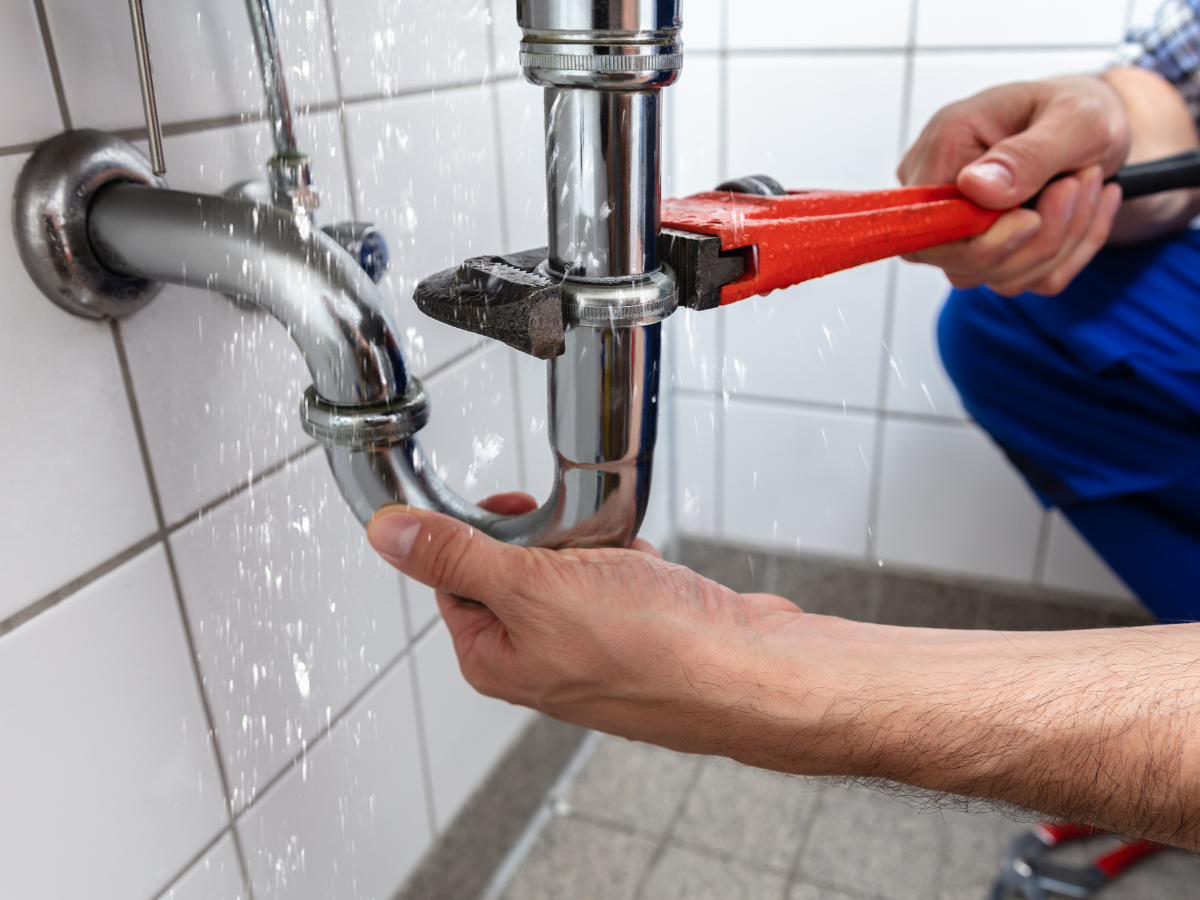
Strong water pressure can feel like a luxury, but too much of it can quietly damage your plumbing system over time. Excessive pressure places stress on pipes, fittings, appliances, and fixtures, often causing problems long before homeowners realize there’s an issue.
What starts as a hidden concern can eventually lead to leaks, premature wear, and costly repairs. Understanding and preventing the dangers of high pressure in plumbing systems is essential for protecting both your home and your water infrastructure.
Warning signs such as banging pipes, dripping faucets, running toilets, and shortened appliance lifespan can all point to pressure levels that are higher than they should be.
By identifying pressure issues early and taking the right preventative measures, homeowners can improve system reliability, reduce unnecessary strain, and help avoid expensive plumbing failures.
How High Pressure Can Damage Your Plumbing System
The Risks And Consequences Of High Water Pressure
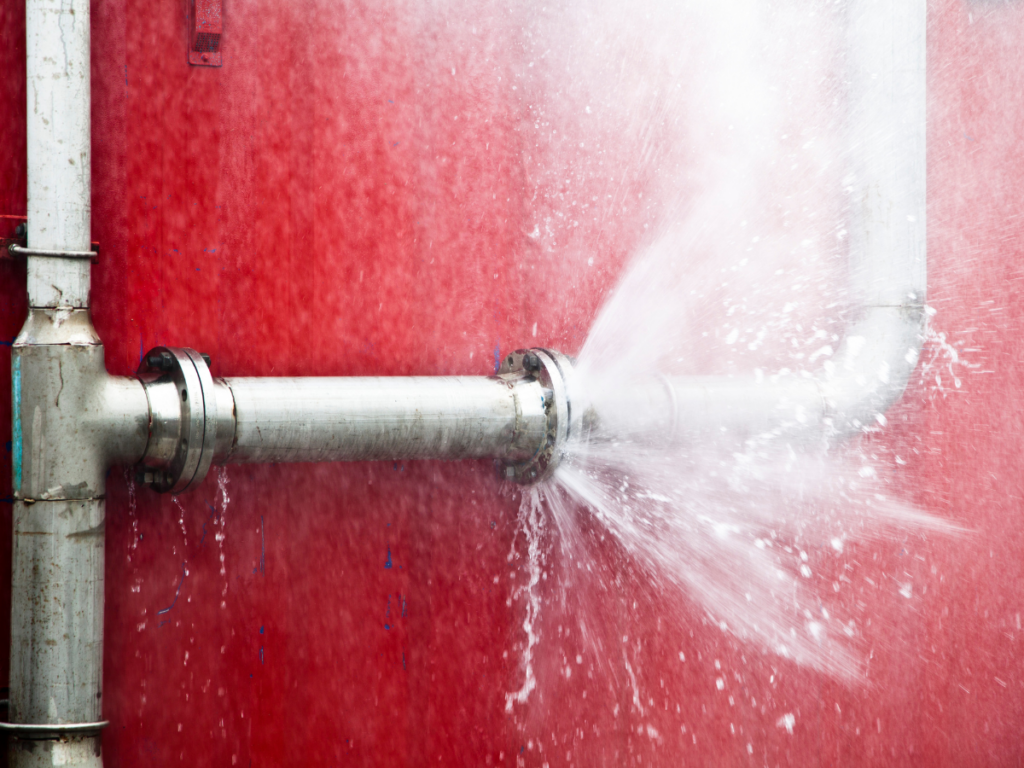
Many homeowners assume that stronger water flow is always a good thing, but excessive pressure can quietly damage a plumbing system over time.
When water pressure rises beyond recommended levels, pipes, fittings, and fixtures are forced to handle more stress than they were designed for. This constant strain can weaken connections, create small leaks, and eventually lead to cracked pipes.
The effects are often gradual at first. A dripping faucet, a leaking supply line, or a worn-out showerhead may seem like isolated issues, but they can all be signs of ongoing stress caused by high pressure. Left unchecked, these small problems can develop into much larger and more expensive repairs.
Research on plumbing system design consistently highlights the importance of proper pressure control because excessive pressure can place significant strain on concealed piping systems and shorten their service life.
Increased Wear On Household Appliances
The impact of high pressure extends beyond pipes and fixtures. Many of the appliances homeowners rely on every day are also affected by excessive water pressure.
Dishwashers, washing machines, water heaters, and ice makers all depend on a steady water supply to operate efficiently. When pressure is too high, internal valves, hoses, and seals can wear out faster than normal. This additional stress may lead to leaks, reduced performance, or premature appliance failure.
In some cases, homeowners may not realize that pressure is the underlying problem. They simply find themselves replacing appliance components more often than expected. Maintaining proper water pressure helps these systems operate as intended and can contribute to longer appliance lifespans.
Water Waste And Higher Utility Bills
Another often-overlooked consequence of high pressure is increased water consumption. When water moves through fixtures at excessive force, more water is used during everyday activities such as showering, washing dishes, or running faucets.
High pressure can also contribute to hidden leaks throughout the plumbing system. Even small leaks waste a surprising amount of water over time, driving up utility bills while placing unnecessary strain on the plumbing network.
Monitoring for pressure-related issues can help homeowners reduce waste, improve efficiency, and avoid paying for water that never reaches its intended use.
Potential For Flooding And Water Damage
Among the most serious risks associated with high pressure is the possibility of sudden plumbing failure. A weakened pipe, worn connection, or damaged supply line can eventually give way under constant stress.
When this happens, water can escape rapidly and cause significant property damage in a short amount of time. Flooring, drywall, cabinetry, and personal belongings can all be affected by a major leak or pipe burst. In severe cases, cleanup and restoration costs may far exceed the cost of addressing pressure issues earlier.
Because of this risk, homeowners should treat unexplained leaks, banging pipes, or unusually strong water flow as warning signs that deserve attention.
What Are The Common Plumbing Pressure Issues And Their Effects On Pipes?
Understanding the difference between low and high pressure problems can help homeowners identify potential concerns before they become costly repairs.
Low water pressure is often caused by mineral buildup, aging pipes, corrosion, or partially closed valves. Common symptoms include weak water flow, slow-filling fixtures, and inconsistent performance throughout the home.
High pressure creates a different set of challenges. Homeowners may notice noisy pipes, leaking fixtures, water hammer sounds, or appliances that seem to wear out faster than expected.
In some cases, the problem originates from a failing pressure-reducing valve or unusually high pressure coming from the municipal water supply. Regular plumbing inspections can help identify both low and high pressure issues before they cause lasting damage.
How Does High Water Pressure Cause Pipe Damage And Pipe Bursts?
Pipes are designed to operate within a specific pressure range. When pressure consistently exceeds those limits, the plumbing system experiences ongoing mechanical stress. Over time, joints can loosen, seals may deteriorate, and pipe walls can weaken.
Excessive pressure can also accelerate corrosion in older plumbing systems, further reducing the strength of the pipes. As these vulnerabilities grow, the likelihood of leaks and pipe failures increases.
For this reason, monitoring high pressure is one of the most important steps homeowners can take to protect their plumbing systems. Addressing pressure problems early helps reduce wear, prevent unexpected failures, and extend the life of pipes, fixtures, and appliances throughout the home.
What Causes High Water Pressure In Plumbing And How Can It Be Identified?
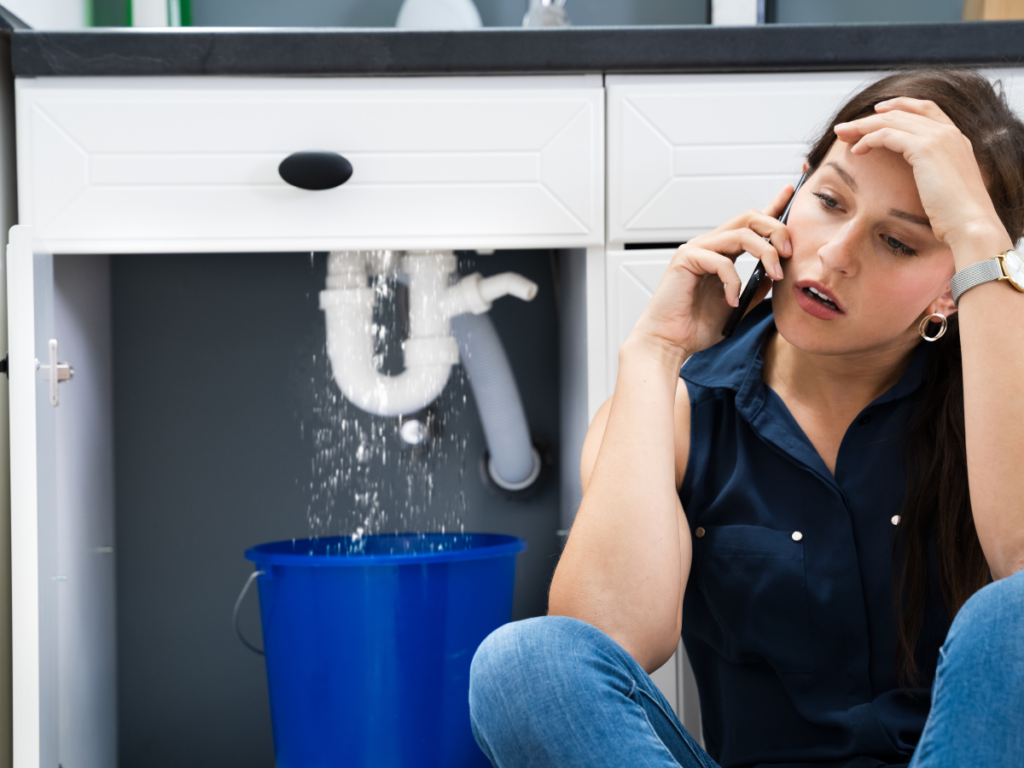
Many homeowners do not realize they have a water pressure problem until they notice leaking fixtures, noisy pipes, or appliances wearing out faster than expected. Understanding what causes high pressure and how to identify it early can help prevent costly plumbing repairs.
In many cases, the issue develops gradually. Water may still flow normally, but the extra force moving through the system places constant stress on pipes, valves, and fixtures. Recognizing the warning signs and monitoring your system regularly are important steps in preventing long-term damage from high pressure.
Which Factors Lead To Excessive Water Pressure In Home Plumbing?
Several factors can contribute to excessive pressure within a residential plumbing system. One of the most common causes is elevated pressure from the municipal water supply.
In some neighborhoods, particularly those at lower elevations or near pumping stations, incoming water pressure may naturally be higher than recommended for residential use.
A failing pressure-reducing valve is another frequent culprit. These devices are designed to regulate incoming water pressure before it enters the home’s plumbing system. When they malfunction or wear out, pressure levels can rise well beyond safe limits without homeowners realizing it.
Older plumbing systems can also contribute to pressure-related problems. Corrosion, mineral buildup, or partially restricted pipes may create imbalances within the system, leading to inconsistent flow and pressure fluctuations.
While the root cause may differ from home to home, the result is often the same: increased strain on plumbing components and a greater risk of leaks or failures associated with high pressure.
How Can Homeowners Test And Monitor Water Pressure Effectively?
Testing water pressure is relatively simple and can provide valuable insight into the health of a plumbing system. A water pressure gauge, available at most hardware stores, can be attached to an outdoor hose bib or utility faucet to measure pressure directly.
To get an accurate picture, it is helpful to take readings at different times throughout the day. Water pressure can fluctuate depending on household demand and municipal supply conditions. Recording these measurements over several days can reveal patterns that may otherwise go unnoticed.
In addition to using a gauge, homeowners should pay attention to warning signs such as banging pipes, dripping faucets, running toilets, or unusually forceful water flow.
These symptoms often indicate that further investigation is needed. If readings consistently remain elevated, it may be time to have the system evaluated by a licensed plumber.
Which Water Pressure Safety Standards And Monitoring Tools Should Homeowners Know?
Understanding basic plumbing safety standards makes it easier to identify when water pressure may be outside a healthy operating range. Most residential plumbing systems are designed to function efficiently within specific pressure limits.
Modern monitoring tools can make tracking pressure easier than ever. In addition to traditional pressure gauges, homeowners can install permanent monitoring devices that provide continuous readings and alerts when pressure exceeds preset thresholds.
Some smart home systems even integrate water pressure monitoring alongside leak detection features, allowing homeowners to receive notifications directly on their phones.
Using these tools proactively helps reduce the risk of unexpected plumbing failures caused by prolonged exposure to high pressure.
What Is The Safe Water Pressure Range Recommended By Industry Standards?
For most homes, industry professionals recommend maintaining water pressure between 40 and 60 PSI. This range typically provides sufficient water flow while minimizing unnecessary stress on plumbing components.
Pressure below 40 PSI can result in weak showers, slow-filling appliances, and reduced overall performance. On the other hand, pressure consistently above 60 PSI can increase wear on pipes, fixtures, water heaters, and household appliances.
While occasional fluctuations are normal, sustained readings above the recommended range should be addressed to avoid long-term damage associated with high pressure.
How To Use Water Pressure Gauges And Monitoring Devices Effectively?
A water pressure gauge is one of the simplest and most effective tools for evaluating your plumbing system. After attaching the gauge to an outdoor faucet, turn the water on fully and record the reading. Repeating this process during different times of the day can help identify pressure spikes or recurring issues.
For homeowners seeking ongoing monitoring, digital gauges and smart monitoring systems offer additional convenience. These devices can track changes automatically and provide alerts when pressure levels move outside the desired range.
Regular monitoring allows homeowners to spot potential concerns before they develop into expensive repairs.
By understanding the causes of high pressure and routinely checking system performance, homeowners can protect their plumbing infrastructure, extend the life of appliances, and maintain a safer, more reliable water system.
Pressure Regulators, Valves, And Prevention Strategies
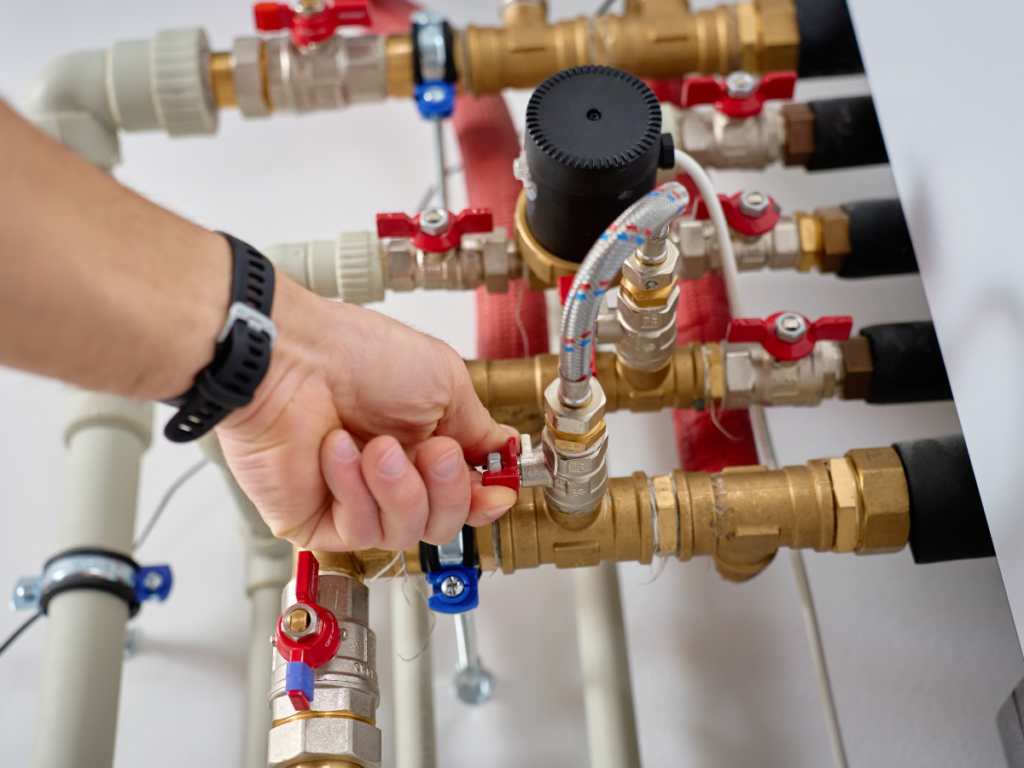
Preventing plumbing damage is often far less expensive than repairing it. While many homeowners only address pressure problems after a leak or appliance failure occurs, a proactive approach can help protect the entire plumbing system.
Managing high pressure effectively involves a combination of routine maintenance, pressure control devices, and regular monitoring.
By taking preventative measures, homeowners can reduce stress on pipes, extend the lifespan of fixtures and appliances, and avoid costly emergency repairs.
Regular Maintenance And Inspections
One of the most effective ways to prevent pressure-related plumbing problems is through regular inspections. Small issues such as minor leaks, worn valves, or unusual pipe noises can often indicate larger pressure concerns developing behind the scenes.
Routine maintenance gives homeowners the opportunity to identify problems before they escalate. Checking visible plumbing connections, inspecting fixtures for leaks, and monitoring overall system performance can reveal early warning signs of excessive pressure.
Professional inspections can also help uncover hidden issues that may not be obvious during a casual visual check. Consistent maintenance remains one of the best defenses against damage caused by high pressure.
Install A Pressure Regulator
A pressure regulator, also known as a pressure-reducing valve (PRV), is one of the most effective tools for controlling water pressure throughout a home. This device reduces incoming water pressure from the municipal supply and maintains it at a safer, more consistent level.
Homes located in areas with naturally elevated water pressure often benefit significantly from installing a regulator. In addition to protecting pipes and fixtures, maintaining stable pressure can reduce water waste and help household appliances operate more efficiently.
Research into water distribution systems consistently identifies pressure-reducing valves as one of the most effective methods for managing excessive pressure and protecting infrastructure from long-term wear.
Upgrade Old Pipes
Older plumbing systems are often more vulnerable to the effects of high pressure. Aging materials may already be weakened by years of use, corrosion, or mineral buildup, making them more susceptible to leaks and failures.
Upgrading outdated pipes with modern materials can improve the system’s ability to handle normal operating pressures safely. Newer piping materials are designed for greater durability and often provide improved flow characteristics as well.
While pipe replacement may represent a larger investment, it can significantly reduce the risk of future plumbing emergencies associated with high pressure.
Monitor Water Pressure Regularly
Even with a pressure regulator installed, regular monitoring remains important. Water pressure can change over time due to municipal supply adjustments, equipment wear, or developing plumbing issues within the home.
A simple pressure gauge can provide valuable information about system performance. Taking periodic readings allows homeowners to spot unusual changes before they become serious problems.
If pressure readings consistently exceed recommended levels, further investigation may be needed. Ongoing monitoring helps ensure that high pressure does not silently damage the plumbing system over time.
Address Corrosion Before It Becomes A Problem
Corrosion is another factor that can contribute to plumbing pressure issues. As pipes age, corrosion and mineral deposits can narrow internal passages, restricting water flow and creating imbalances throughout the system.
These restrictions can increase stress on certain sections of the plumbing network and make pressure fluctuations more noticeable. In severe cases, corrosion weakens pipe walls and increases the likelihood of leaks or bursts.
Regular inspections can help identify corrosion early, allowing homeowners to address the problem before it leads to significant damage.
How Do Pressure Reducing Valves And Regulators Prevent High Water Pressure Damage?
Pressure-reducing valves work by controlling the amount of pressure entering a home’s plumbing system. Instead of allowing full municipal pressure to flow through the pipes, the valve adjusts water flow to maintain a safer operating range.
This consistent regulation protects fixtures, appliances, and piping from the excessive strain associated with high pressure. It also helps reduce water hammer, leaks, and premature wear throughout the system.
What Are The Differences Between Pressure Regulators And Pressure Relief Valves?
Although the terms are sometimes used interchangeably, pressure regulators and pressure relief valves serve different purposes.
A pressure regulator actively controls incoming water pressure and maintains a steady level throughout the plumbing system. A pressure relief valve, on the other hand, acts as a safety device. It opens automatically when pressure exceeds a predetermined threshold, releasing excess pressure before damage occurs.
Both components play important roles in protecting plumbing systems, but they perform different functions.
How Do Modern Pressure Regulation Devices Work To Protect Plumbing Systems?
Modern pressure regulation devices use internal mechanisms such as springs, diaphragms, and adjustable controls to respond to changing water conditions. As incoming pressure fluctuates, the device automatically adjusts water flow to maintain a consistent output.
This continuous regulation helps prevent the damaging pressure spikes that often contribute to leaks, appliance failures, and other plumbing problems associated with high pressure.
What Are The Best Practices For Installing And Maintaining Pressure Regulation Devices?
Proper installation is essential for pressure regulation devices to function correctly. These components should be installed in accordance with manufacturer recommendations and inspected periodically to ensure reliable performance.
Over time, regulators and valves can wear out or become clogged with sediment. Routine inspections help identify issues before they affect system performance. Homeowners should also watch for warning signs such as fluctuating water pressure, unusual pipe noises, or sudden changes in water flow.
When combined with regular maintenance and monitoring, properly functioning pressure regulation devices provide one of the most effective defenses against the long-term effects of high pressure.
What Is Water Hammer And How Does It Relate To Plumbing Pressure Problems?
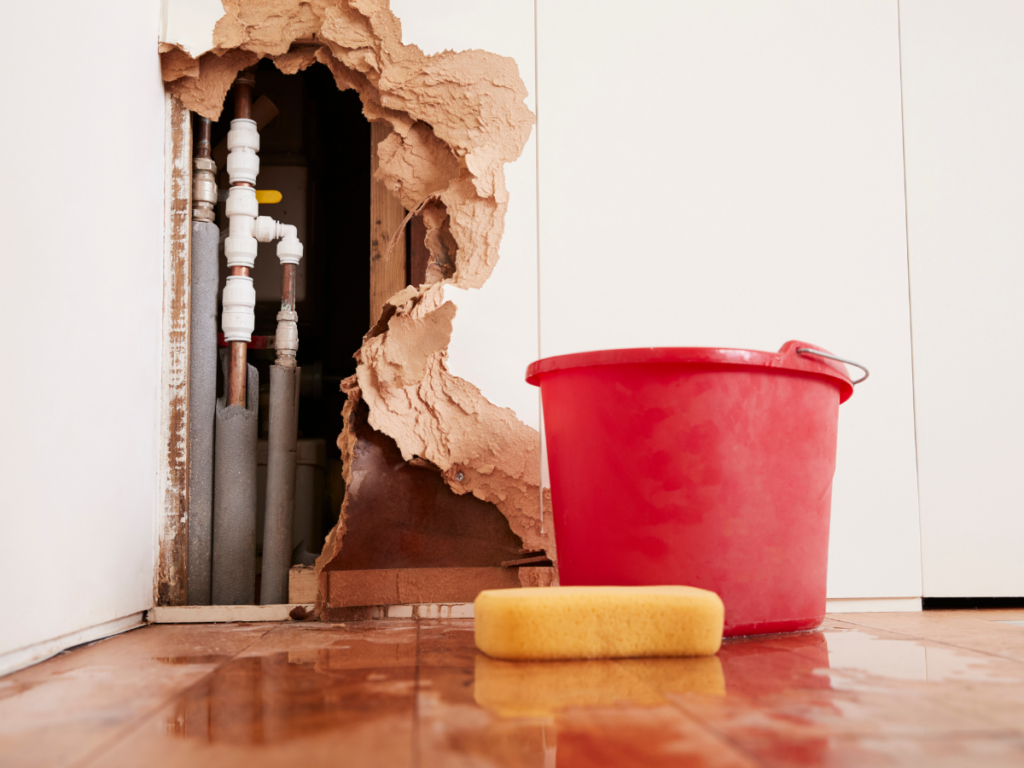
If you’ve ever heard a loud banging or thumping sound coming from your walls after turning off a faucet or appliance, you’ve likely experienced water hammer. This common plumbing issue occurs when flowing water is forced to stop or change direction suddenly, creating a pressure surge that travels through the pipes.
While occasional noise may seem harmless, repeated water hammer events can place significant stress on a plumbing system. Over time, the force generated by these pressure waves can loosen fittings, damage valves, and contribute to leaks.
Homes already dealing with high pressure are particularly vulnerable because the stronger water flow creates more force when it suddenly stops. Understanding the connection between water hammer and high pressure can help homeowners address problems before they lead to costly repairs.
Research into residential plumbing systems has shown that water hammer is more than just an annoying sound. It is a hydraulic event capable of generating significant pressure spikes throughout a home’s piping network, particularly when water flow changes abruptly.
How To Prevent Water Hammer And Other Sudden Pressure Changes In Plumbing Systems?
Preventing water hammer starts with maintaining stable water pressure throughout the plumbing system. When pressure remains within recommended levels, pipes experience less stress and sudden flow changes become less severe.
Routine plumbing maintenance is an important part of prevention. Loose pipes, worn valves, and aging plumbing components can all increase the likelihood of pressure-related problems. Regular inspections help identify vulnerabilities before they develop into larger issues.
Homeowners should also pay attention to recurring noises, especially after using appliances such as dishwashers, washing machines, or ice makers. These systems often contain fast-closing valves that can trigger water hammer if pressure levels are too high.
Addressing the root causes early can significantly reduce the risk of long-term plumbing damage associated with high pressure.
What Causes Water Hammer And How Can It Be Mitigated?
Water hammer most commonly occurs when a valve closes quickly and abruptly stops the flow of water. The moving water has momentum, and when that momentum suddenly has nowhere to go, a shockwave travels through the pipes.
Several factors can increase the severity of the problem. Excessive water pressure is one of the most common contributors because it increases both water velocity and the force of the resulting pressure surge.
Poorly secured pipes can also worsen the situation by allowing movement when the shockwave passes through the system.
Fortunately, there are several ways to reduce the impact of water hammer. Lowering excessive pressure is often the first step. If testing reveals consistently elevated pressure levels, installing or adjusting a pressure regulator can help protect the plumbing system from repeated stress.
Ensuring that pipes are properly secured is another effective strategy. Well-supported pipes are less likely to move when pressure fluctuations occur, reducing noise and minimizing wear on fittings and joints.
Which Devices And Techniques Help Prevent Water Hammer Damage?
Several plumbing components are specifically designed to reduce the effects of water hammer and pressure fluctuations.
One of the most effective solutions is a water hammer arrestor. These devices contain a cushion of air or a sealed chamber that absorbs the shockwave created when water flow stops suddenly.
Instead of allowing the pressure surge to travel through the plumbing system, the arrestor dissipates the force and protects nearby pipes and fixtures.
Pressure regulators also play a critical role in prevention. By maintaining consistent pressure levels, they reduce the likelihood that pressure spikes will occur in the first place. This makes them especially valuable in homes experiencing persistent high pressure from the municipal water supply.
Proper pipe support is another important but often overlooked preventive measure. Securely fastened pipes experience less movement during pressure changes, reducing both noise and the risk of long-term damage.
When combined, these strategies create a comprehensive approach to managing high pressure and protecting plumbing systems from sudden hydraulic shocks.
Why Addressing Water Hammer Early Matters
Although water hammer often begins as a nuisance noise, it should not be ignored. Repeated pressure surges can gradually weaken plumbing components, shorten the lifespan of appliances, and increase the risk of leaks or pipe failures.
Because water hammer is frequently linked to high pressure, addressing both issues together provides the best long-term protection.
Regular pressure monitoring, proper maintenance, and the use of pressure-control devices can help homeowners maintain a quieter, safer, and more reliable plumbing system for years to come.
Identifying And Repairing Pressure-Related Plumbing Damage
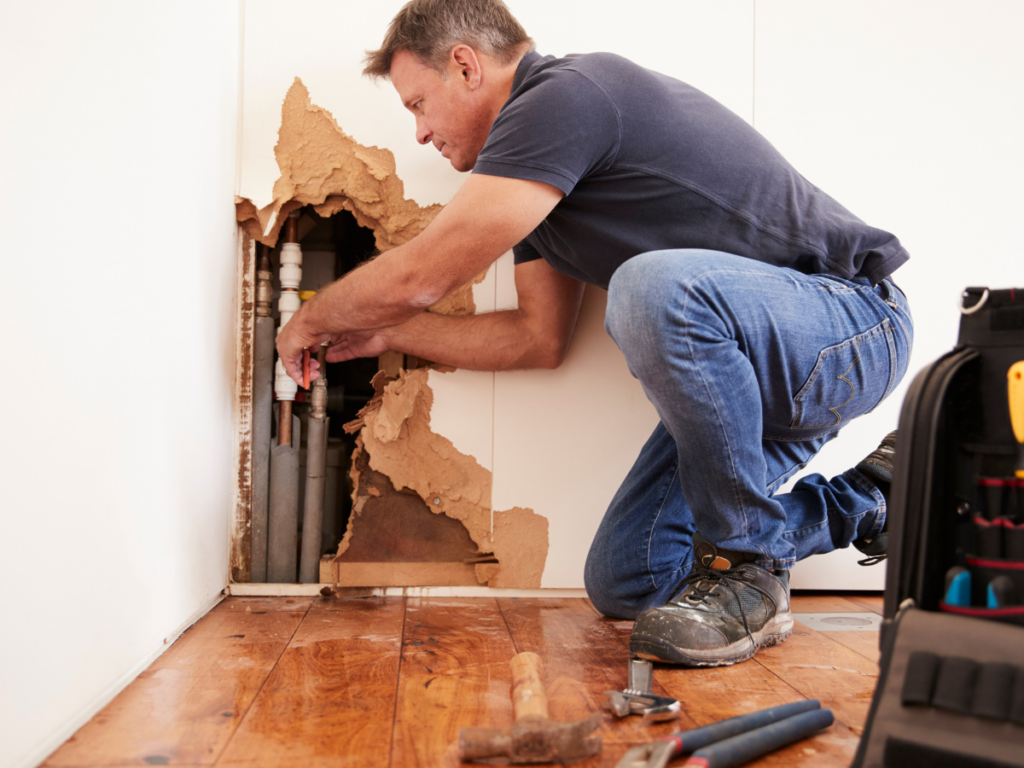
By the time visible plumbing damage appears, excessive pressure has often been affecting the system for an extended period. While prevention remains the best defense, homeowners should also know how to recognize damage early and respond appropriately when problems arise.
Regular inspections can help identify pressure-related wear before it develops into a major repair. Paying attention to recurring leaks, unusual noises, or changes in water performance can reveal issues that might otherwise go unnoticed.
When problems are caught early, repairs are typically less invasive and less expensive. If damage has already occurred, addressing both the symptom and the underlying cause is essential. Repairing a leak without correcting the pressure issue often leads to the same problem returning in the future.
A complete evaluation of the plumbing system can help determine whether excessive pressure is contributing to ongoing wear and tear.
What Are The Signs And Symptoms Of Pipe Damage Due To High Pressure?
Pressure-related damage does not always announce itself with a burst pipe. In many cases, the warning signs are subtle and easy to overlook until they become more serious.
Frequent leaks are one of the most common indicators. If faucets, supply lines, or pipe joints continue to develop leaks despite repairs, excessive pressure may be placing constant stress on these components.
Homeowners may also notice dripping fixtures, running toilets, or appliances that seem to require repairs more often than expected.
Other symptoms can include discolored water, which may indicate corrosion inside pipes that have been subjected to prolonged stress. Unusual sounds such as banging, rattling, or vibrating pipes can also signal that the system is struggling to handle high pressure.
In some situations, pressure-related damage becomes visible through water stains on walls or ceilings, unexplained moisture around plumbing fixtures, or sudden increases in water bills.
While each symptom may seem minor on its own, multiple issues occurring at the same time often point to a larger pressure problem affecting the plumbing system as a whole.
Recognizing these warning signs early gives homeowners the opportunity to address the issue before it progresses into significant property damage.
Which Repair Strategies And Professional Services Address Plumbing Pressure Issues?
The most effective repair strategy depends on the extent of the damage and the condition of the plumbing system. For isolated issues, replacing worn fittings, damaged valves, or leaking pipe sections may be enough to restore proper function. However, recurring problems often require a deeper investigation.
Professional plumbers can perform pressure testing to determine whether the system is operating within a safe range. They can also inspect pressure-regulating devices, evaluate pipe conditions, and identify hidden leaks that may be contributing to ongoing damage.
In homes where excessive pressure has caused widespread wear, more extensive repairs may be necessary. This could include replacing deteriorated sections of piping, upgrading aging plumbing materials, or installing pressure-control equipment to prevent future issues.
Leak detection services can also play an important role, especially when damage occurs behind walls, beneath flooring, or in other concealed areas. Finding these problems early can help prevent structural damage and reduce repair costs.
Ultimately, successful repairs involve more than fixing visible damage. They require identifying and correcting the conditions that caused the problem in the first place.
When high pressure is properly managed, homeowners can protect their plumbing systems from recurring failures and extend the lifespan of pipes, fixtures, and appliances throughout the home.
What Are The Latest Industry Insights And Technologies For Managing Plumbing Pressure Risks?
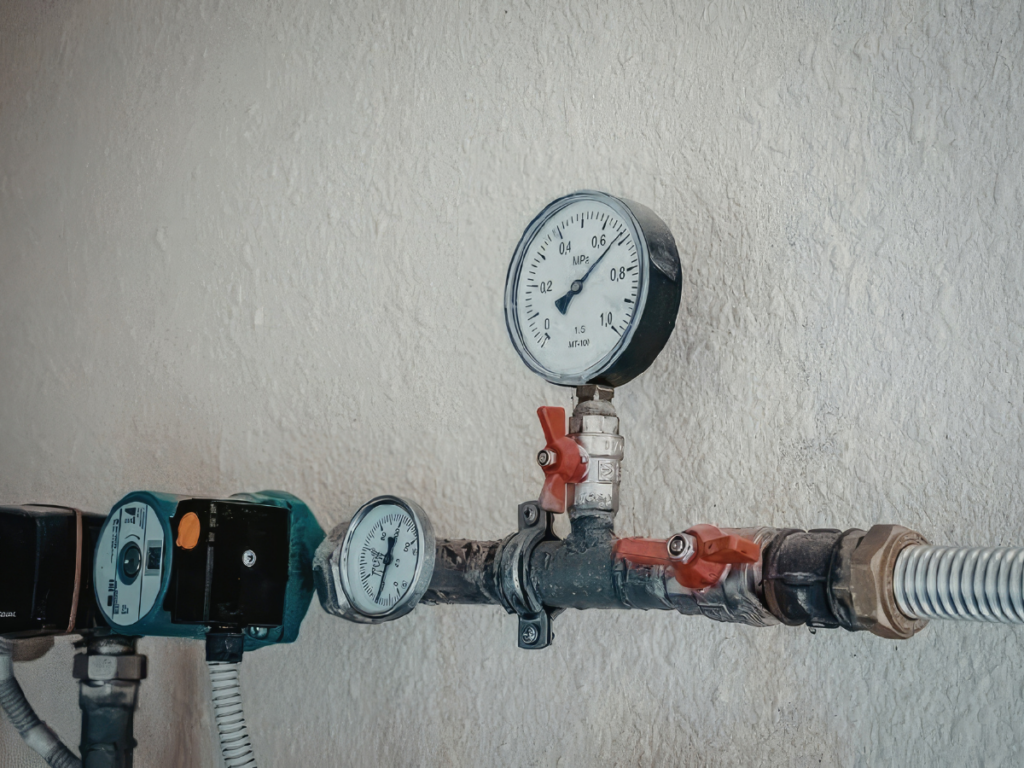
As plumbing technology continues to evolve, homeowners have more tools than ever to identify and manage pressure-related issues before they cause costly damage.
Traditional pressure gauges and manual inspections remain valuable, but modern systems now provide continuous monitoring and faster detection of potential problems.
One of the biggest industry trends is the shift toward preventative maintenance. Rather than waiting for leaks, bursts, or appliance failures to occur, many homeowners are investing in technologies that track plumbing performance in real time.
This proactive approach helps reduce the risks associated with high pressure while providing greater visibility into the overall health of a plumbing system.
As awareness grows around the long-term effects of excessive water pressure, manufacturers are developing smarter and more responsive solutions designed to protect both residential plumbing networks and connected appliances.
How Do Smart Pressure Regulation Devices Improve Home Plumbing Safety?
Smart pressure management devices are changing how homeowners monitor and protect their plumbing systems. Unlike traditional pressure regulators, which operate mechanically, newer devices often include digital sensors and connectivity features that provide real-time insights into system performance.
These systems continuously track pressure levels and can notify homeowners when readings move outside the recommended range. Some models integrate directly with smart home platforms, allowing users to monitor plumbing conditions through mobile apps and receive alerts even when they are away from home.
This added visibility can be especially valuable in preventing damage caused by high pressure. Instead of discovering a problem after a leak develops, homeowners can address abnormal pressure levels before they create stress on pipes, fixtures, or appliances.
Many smart systems also work alongside leak detection technology. By combining pressure monitoring with water usage analysis, these devices can identify unusual activity that may indicate a hidden leak or developing plumbing issue.
This level of early detection can help minimize repair costs and reduce the likelihood of extensive water damage. As smart home adoption continues to increase, pressure monitoring is becoming a more common component of comprehensive home protection strategies.
What Recent Case Studies And Statistics Highlight The Costs Of High Water Pressure Damage?
Industry data consistently shows that plumbing failures remain one of the most common and expensive causes of residential property damage. While leaks can develop for many reasons, excessive pressure is often an overlooked contributing factor that accelerates wear throughout the system.
Case studies involving residential plumbing failures frequently reveal a pattern of prolonged stress on pipes, fittings, and appliances before a major issue occurs.
In many situations, homeowners experience smaller warning signs, such as recurring leaks, noisy pipes, or fixture failures, long before a significant plumbing event takes place.
The financial impact can be substantial. Repairing damaged pipes is often only part of the expense. Water damage to flooring, drywall, cabinetry, insulation, and personal belongings can quickly increase restoration costs. When a burst pipe occurs while a home is unoccupied, the resulting damage may be even more severe.
These findings reinforce the importance of monitoring and managing high pressure before problems develop. Investing in pressure regulation, routine inspections, and modern monitoring technologies is often far less expensive than addressing the aftermath of a major plumbing failure.
Why Emerging Technology Matters For Long-Term Plumbing Protection
The growing availability of smart monitoring tools reflects a broader shift in the plumbing industry toward prevention rather than reaction. Homeowners no longer need to rely solely on visible symptoms to identify developing issues.
With real-time alerts, automated monitoring, and improved pressure management systems, it is becoming easier to detect conditions that contribute to high pressure and address them before damage occurs.
These technologies provide an additional layer of protection while helping homeowners make more informed maintenance decisions.
As plumbing systems become increasingly connected, the combination of smart pressure regulation, leak detection, and preventative maintenance offers one of the most effective ways to safeguard a home’s plumbing infrastructure and reduce the long-term risks associated with high pressure.
Conclusion
Understanding the risks associated with high water pressure is an important part of protecting your home’s plumbing system. Left unchecked, excessive pressure can lead to leaks, damaged fixtures, premature appliance wear, and costly repairs that could have been avoided with early intervention.
Regular inspections and timely adjustments can help maintain safe pressure levels and keep your plumbing operating efficiently for years to come. For reliable plumbing services and expert solutions, choose JW Plumbing Pros.
If you’re concerned about high water pressure or want to ensure your plumbing system is functioning properly, call 770-635-5159 to speak with the team at JW Plumbing Pros or fill out the online form to request your free quote today.