

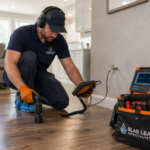
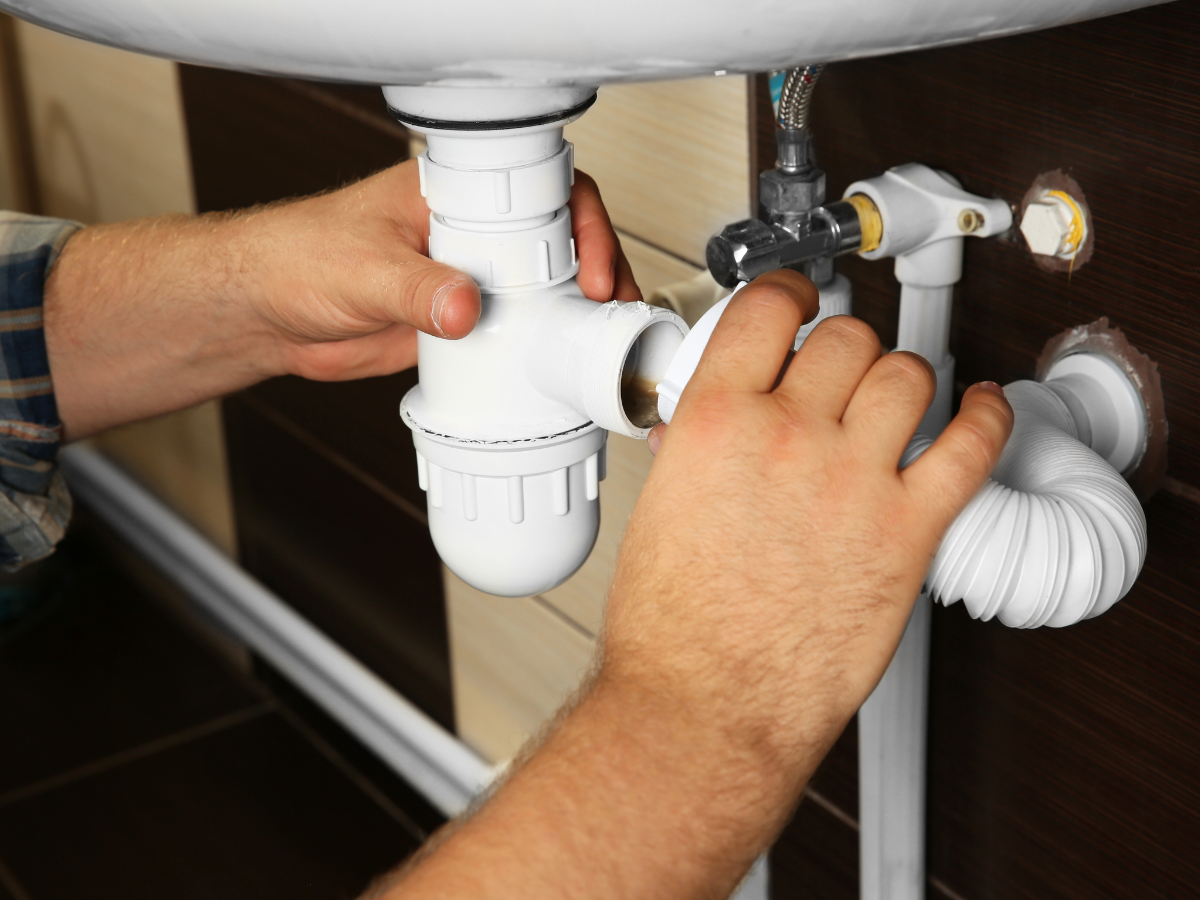
Rust in your home’s pipes can affect more than just the appearance of your water. Discoloration, metallic taste, reduced water pressure, and staining around fixtures are often signs that corrosion is developing somewhere in the plumbing system.
Left untreated, rust buildup can gradually damage pipes and lead to larger plumbing problems over time. Knowing how to handle rust in pipes at home starts with identifying the source and understanding how corrosion affects water flow and pipe integrity.
In some cases, simple cleaning or filtration solutions may help, while more severe corrosion may require pipe repair or replacement. With the right approach, homeowners can improve water quality, protect their plumbing system, and reduce the risk of long-term damage caused by rust buildup.
A Practical Guide to Treating Rust in Pipes
What Causes Rusty Water And Pipe Corrosion In Homes?
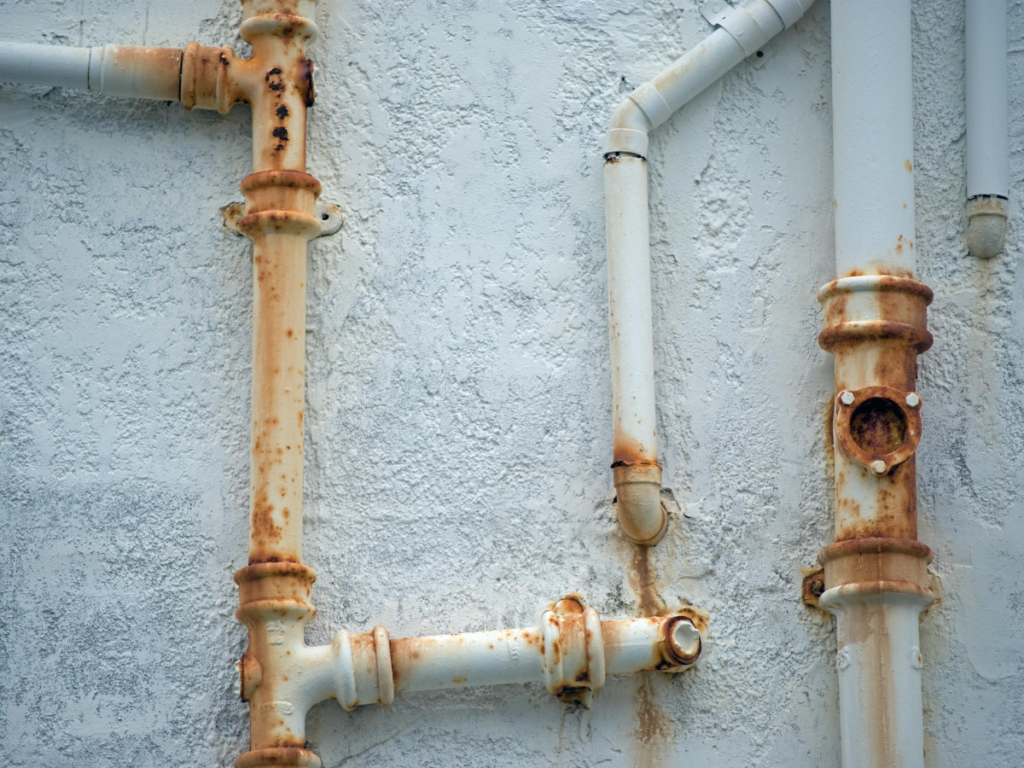
Rust-colored water coming from faucets is often a sign that corrosion is developing somewhere within a home’s plumbing system.
In many cases, rust in pipes forms gradually over time as metal reacts with oxygen and moisture. While this process may seem simple on the surface, several factors can influence how quickly corrosion develops and how severe the damage becomes.
Understanding the causes behind rusty water can help homeowners recognize early warning signs before plumbing issues become more expensive or disruptive. Pipe materials, water quality, age, and environmental conditions all play a role in determining how vulnerable a plumbing system may be to corrosion.
Research into water distribution systems continues to show that corrosion remains one of the leading causes of pipe deterioration and plumbing failures.
Because the process is influenced by multiple environmental and chemical factors, identifying the root cause often requires a closer look at the home’s plumbing system and water conditions.
How Does Pipe Material Affect Rust Formation?
The type of piping used in a home has a major impact on how likely rust and corrosion are to occur. Older homes that still contain galvanized steel or iron pipes are generally more vulnerable to rust buildup than homes with newer plumbing materials.
Iron and galvanized steel pipes naturally corrode as they age. Over time, moisture and oxygen interact with the interior pipe walls, creating rust that can eventually discolor water and restrict flow.
This often appears as reddish-brown water when faucets are first turned on, especially after water has been sitting in the pipes for several hours.
As corrosion progresses, rust deposits can build up inside the pipe and narrow the available space for water to pass through. This may lead to lower water pressure, uneven flow, or recurring plumbing issues throughout the home.
Copper pipes are generally more resistant to rust, although they can still experience corrosion under certain water conditions. PVC and PEX piping do not rust because they are non-metallic materials, which is one reason they are commonly used in newer plumbing systems.
When homeowners experience ongoing rust in pipes, the age and material of the plumbing system are often among the first things plumbers evaluate.
What Water Chemistry Factors Lead To Rust And Discoloration?
Water chemistry also has a significant influence on pipe corrosion. Even newer plumbing systems can develop issues if the water itself contributes to metal deterioration over time.
One major factor is pH level. Water that is too acidic can slowly wear away protective layers inside pipes, making corrosion more likely. Dissolved oxygen also contributes to oxidation, especially in metal plumbing systems that are already beginning to age.
Hard water can create additional complications. Minerals like calcium and magnesium may leave behind scale buildup inside pipes and water heaters. While scale itself is not rust, it can trap moisture and create conditions that accelerate corrosion in certain areas of the plumbing system.
Water heaters are especially vulnerable because they regularly store heated water, which speeds up chemical reactions. Many water heaters use sacrificial anode rods designed to corrode in place of the tank itself.
These rods help slow rust formation and extend the life of the system by attracting corrosive elements before they damage the surrounding metal.
Studies on corrosion prevention continue to highlight the importance of sacrificial anodes, particularly in areas where welding or protective coatings may be weakened during manufacturing or long-term use.
Signs That Rust In Pipes May Be Worsening
Rust in pipes does not always become obvious immediately. In many homes, the problem develops slowly and becomes noticeable only after water discoloration or plumbing performance issues begin to appear.
Common warning signs include reddish or yellow-tinted water, metallic-tasting water, recurring leaks, reduced water pressure, or stains around sinks and tubs. Some homeowners may also notice that discoloration becomes worse after returning home from vacation or after water has been sitting unused in the pipes.
Ignoring these signs can allow corrosion to continue spreading through the plumbing system. Over time, weakened pipes become more prone to leaks, cracks, and water damage.
Preventing Long-Term Plumbing Damage
Preventing rust in pipes often starts with regular plumbing inspections and early intervention. Replacing aging galvanized pipes, monitoring water quality, and maintaining water heaters can all help reduce the risk of corrosion-related problems.
In some cases, installing water treatment systems or adjusting water chemistry may help minimize long-term damage. Addressing small signs of corrosion early can also prevent larger plumbing repairs later on.
By understanding what causes rust formation and how different factors contribute to corrosion, homeowners can make more informed decisions about protecting their plumbing systems and maintaining cleaner, safer water throughout the home.
What Are The Health Risks Associated With Rusty Water?

Discolored water coming from faucets is more than just an inconvenience. In many cases, rusty water can signal deeper plumbing issues that may affect water quality throughout the home.
While small amounts of rust are not always considered dangerous on their own, the presence of rust in pipes can create conditions that increase the risk of contamination and long-term plumbing damage.
Rusty water often develops when aging metal pipes begin to corrode internally. As corrosion spreads, rust particles can enter the water supply and affect its appearance, smell, and taste.
Homeowners who notice brown, red, or yellow-tinted water should take the issue seriously, especially if the discoloration appears consistently or worsens over time.
Understanding the potential health and household impacts of rust in pipes can help homeowners decide when professional inspection or repairs may be necessary.
Is Rusty Water Safe To Drink?
In many situations, small amounts of rust in drinking water are not immediately harmful, but that does not necessarily mean the water is safe to ignore.
Rust itself is primarily made of iron oxide, which is not usually toxic in low concentrations. However, rusty water can be a warning sign that older plumbing materials are deteriorating or that other contaminants may be present within the system.
Corroded pipes may allow harmful substances like lead, sediment, or bacteria to enter the water supply more easily. This is especially concerning in older homes with outdated plumbing systems.
Even when rust particles themselves are relatively mild, the conditions causing rust in pipes can increase the likelihood of broader water quality issues.
Some homeowners may experience gastrointestinal discomfort or irritation after consuming heavily discolored water for extended periods. People with weakened immune systems, young children, and older adults may be more sensitive to poor water quality as well.
If rusty water appears regularly, homeowners should avoid drinking it until the source of the problem has been identified. Water testing and plumbing inspections can help determine whether corrosion is isolated to a specific fixture, the water heater, or the home’s broader plumbing system.
Installing filtration systems may help improve water clarity and taste in some cases, but filters alone may not fully solve underlying corrosion problems if rust in pipes continues to worsen over time.
How Does Rust Affect Water Quality And Odor?
One of the first signs homeowners notice is usually a change in the appearance or smell of their water. Rust can create a reddish-brown tint that becomes especially visible in sinks, bathtubs, and clear drinking glasses.
In some cases, the discoloration may only occur when hot water is running, which can point to corrosion inside the water heater. Rust also affects how water tastes and smells.
Many homeowners describe rusty water as having a metallic taste or an unpleasant odor that makes drinking or cooking with the water less appealing. Even if the water technically meets safety standards, these changes can significantly reduce overall water quality.
The effects extend beyond drinking water as well. Rust particles can stain sinks, toilets, showers, and laundry. White clothing and towels are particularly vulnerable to orange or brown discoloration caused by iron deposits in the water supply.
Over time, rust buildup inside pipes may also restrict water flow. As corrosion accumulates, homeowners may notice declining water pressure or inconsistent plumbing performance throughout the house.
Why Rust In Pipes Should Not Be Ignored
Ignoring rust-related plumbing issues can allow corrosion to spread further through the system. Small signs of discoloration may eventually turn into leaks, pipe failures, or water damage if left untreated.
In many homes, rust in pipes develops gradually, making it easy to overlook early warning signs. Regular plumbing inspections can help identify aging materials or corrosion problems before they become more severe.
Replacing outdated galvanized pipes, maintaining water heaters, and monitoring water quality are all important steps in protecting both plumbing systems and household water safety.
Addressing rusty water early can improve not only the appearance and taste of the water but also the long-term reliability of the home’s plumbing system.
How Can You Remove Rust from Your Home’s Water Pipes?

Addressing rust buildup in plumbing systems is important for maintaining clean water and preventing long-term pipe damage. When rust begins to accumulate inside older plumbing systems, it can affect water pressure, discolor water, and gradually weaken the pipes themselves.
Fortunately, there are several methods homeowners and plumbing professionals use to reduce rust buildup and improve overall system performance.
The right approach often depends on how severe the corrosion is and whether the rust is isolated to a specific fixture, water heater, or the entire plumbing system. In some situations, cleaning methods may temporarily improve water quality, while more advanced corrosion may require partial pipe replacement.
Understanding the available treatment options can help homeowners make informed decisions when dealing with rust in pipes.
What Are The Most Effective Rust Removal Techniques?
Several rust removal techniques can help reduce corrosion and restore cleaner water flow throughout the home. Some methods are relatively simple maintenance steps, while others are more suitable for advanced plumbing issues.
Chemical rust removers are one option commonly used to dissolve mineral deposits and corrosion buildup inside plumbing components. These cleaning products are designed to break down rust and scale so they can be flushed from the system more easily.
Because plumbing systems vary, it is important to use products specifically approved for residential pipes and follow all manufacturer instructions carefully.
Mechanical cleaning methods are often used for exposed pipes or accessible plumbing sections. Wire brushes, abrasive pads, or specialized plumbing tools can help remove visible rust from pipe surfaces.
In severe cases, professional plumbers may use pipe descaling equipment to clear buildup from inside the plumbing system. Routine flushing is another important maintenance step.
Running water through the plumbing system regularly can help remove loose rust particles before they accumulate further. Flushing water heaters is especially important because sediment and rust often collect at the bottom of the tank over time.
For homes with persistent rust in pipes, professional inspections may reveal that cleaning alone is no longer enough. Older galvanized steel pipes that have corroded extensively may eventually require replacement to fully resolve recurring discoloration and water quality problems.
How To Use Corrosion Inhibitors And Cleaning Agents Safely
While rust removal products can be effective, they should always be used carefully. Plumbing systems contain drinking water, which means safety and proper handling are essential when introducing chemical treatments into the system.
Homeowners should always read product labels thoroughly and avoid mixing different cleaning agents together. Certain chemical combinations can create dangerous reactions or damage plumbing materials.
Wearing gloves, eye protection, and ensuring adequate ventilation during application can also reduce exposure risks. Corrosion inhibitors are another tool used to help slow the formation of rust inside plumbing systems.
These products work by creating a protective barrier along the interior pipe surfaces, helping reduce oxidation and metal deterioration over time. In some cases, water treatment systems may also include corrosion-control features that stabilize water chemistry and reduce the likelihood of rust formation.
Because every plumbing system is different, professional guidance is often recommended before applying chemical treatments to older pipes or water heaters. A plumber can help determine whether corrosion inhibitors, descaling products, or replacement solutions are the safest and most effective option.
Preventing Rust From Returning
Removing existing corrosion is only part of the solution. Preventing rust from returning is equally important for protecting plumbing systems over the long term.
Regular plumbing maintenance can significantly reduce the risk of future corrosion. This may include inspecting exposed pipes for signs of rust, flushing water heaters annually, and monitoring water pressure and water quality throughout the home.
Water chemistry also plays a major role in pipe corrosion. In some areas, hard water or acidic water conditions can accelerate rust formation inside metal plumbing systems. Installing water softeners or filtration systems may help reduce mineral buildup and create conditions that are less damaging to pipes.
Replacing aging galvanized steel pipes with modern materials like copper, PEX, or PVC can also provide a more permanent solution when rust in pipes becomes widespread.
While replacement is a larger investment upfront, it can help eliminate recurring water discoloration and reduce the risk of future leaks or plumbing failures.
By combining proper cleaning methods with long-term prevention strategies, homeowners can improve water quality, extend the life of their plumbing systems, and reduce the ongoing effects of corrosion inside the home.
What Preventative Maintenance Can Stop Pipe Corrosion?
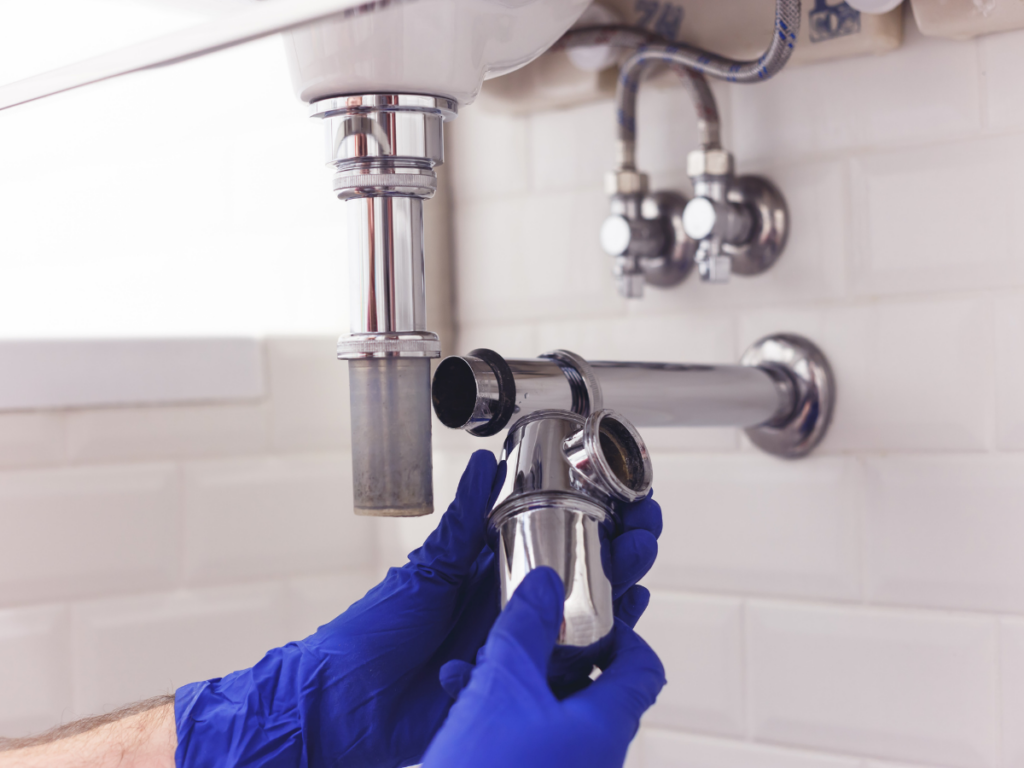
Preventing corrosion before it becomes a major plumbing issue is one of the most effective ways to protect a home’s water system. Once rust begins developing inside pipes, the damage can gradually spread and lead to leaks, water discoloration, reduced pressure, and expensive repairs.
Consistent maintenance and early intervention can help homeowners avoid many of these problems while extending the life of their plumbing system.
The key to preventing rust in pipes is understanding that corrosion usually develops slowly over time. Small warning signs often appear long before major plumbing failures occur, which is why regular inspections and modern prevention methods are so important.
How Often Should You Inspect And Replace Aging Pipes?
Routine plumbing inspections are one of the best ways to catch corrosion early. Even if there are no obvious signs of leaks or rusty water, aging pipes can still deteriorate internally without being immediately visible.
Most homeowners should have their plumbing system inspected at least once a year, especially in older homes with galvanized steel or iron piping.
During an inspection, plumbers typically check for visible corrosion, moisture buildup, water pressure irregularities, and signs of pipe deterioration around fittings and joints.
Pipe age also matters significantly. Many galvanized steel pipes have a lifespan of roughly 40 to 50 years before corrosion becomes a serious concern. Homes built several decades ago may already have plumbing systems nearing the end of their expected lifespan, even if no major issues have appeared yet.
Rust-colored water, frequent leaks, fluctuating water pressure, or metallic-smelling water can all indicate worsening corrosion inside the plumbing system. In these cases, targeted repairs or partial pipe replacement may be necessary before the problem spreads further.
Replacing older pipes proactively can often save homeowners money in the long run. Once rust in pipes becomes widespread, repairs tend to become more frequent, and water damage risks increase substantially.
What Are Corrosion Prevention Technologies For Home Plumbing?
Modern plumbing technology offers several effective ways to reduce corrosion and protect residential water systems. These solutions are designed to slow oxidation, improve water quality, and reduce the conditions that contribute to rust formation.
One commonly used method is cathodic protection. This technique uses controlled electrical currents or sacrificial metals to reduce corrosion on metal pipe surfaces. It is frequently used in larger plumbing systems, water heaters, and underground piping installations where moisture exposure is constant.
Upgrading to corrosion-resistant materials is another highly effective strategy. Modern plumbing materials like PEX and CPVC are far less vulnerable to rust because they do not contain iron or steel components that oxidize over time.
Many homeowners replacing aging galvanized pipes choose these materials because they are durable, lightweight, and resistant to mineral buildup.
Water treatment systems can also help minimize corrosion risks. Hard water and highly acidic water are both known contributors to rust in pipes. Water softeners reduce excess mineral content that may accelerate scale buildup, while filtration and conditioning systems can help stabilize water chemistry throughout the home.
Water heaters deserve special attention as well. Replacing worn sacrificial anode rods inside the tank can significantly slow internal corrosion and extend the unit’s lifespan. Since water heaters constantly store heated water, they are often one of the first places where rust-related issues begin developing.
Why Long-Term Prevention Matters
Preventative maintenance does more than simply preserve plumbing pipes. It also helps maintain cleaner water, more reliable water pressure, and overall system efficiency throughout the home.
When corrosion is ignored, rust particles can accumulate inside pipes and restrict water flow over time. This can place additional strain on plumbing fixtures, appliances, and water heaters. Small leaks caused by corrosion may also create hidden moisture problems behind walls or beneath floors.
Addressing early signs of rust in pipes allows homeowners to avoid larger structural repairs and emergency plumbing situations later on. Even simple maintenance steps, such as annual inspections and water heater flushing, can make a noticeable difference in how long a plumbing system lasts.
By combining regular maintenance with modern corrosion prevention technologies, homeowners can reduce the likelihood of serious plumbing damage while improving the long-term performance of their home’s water system.
Which Water Filtration and Treatment Options Reduce Rust and Discoloration?
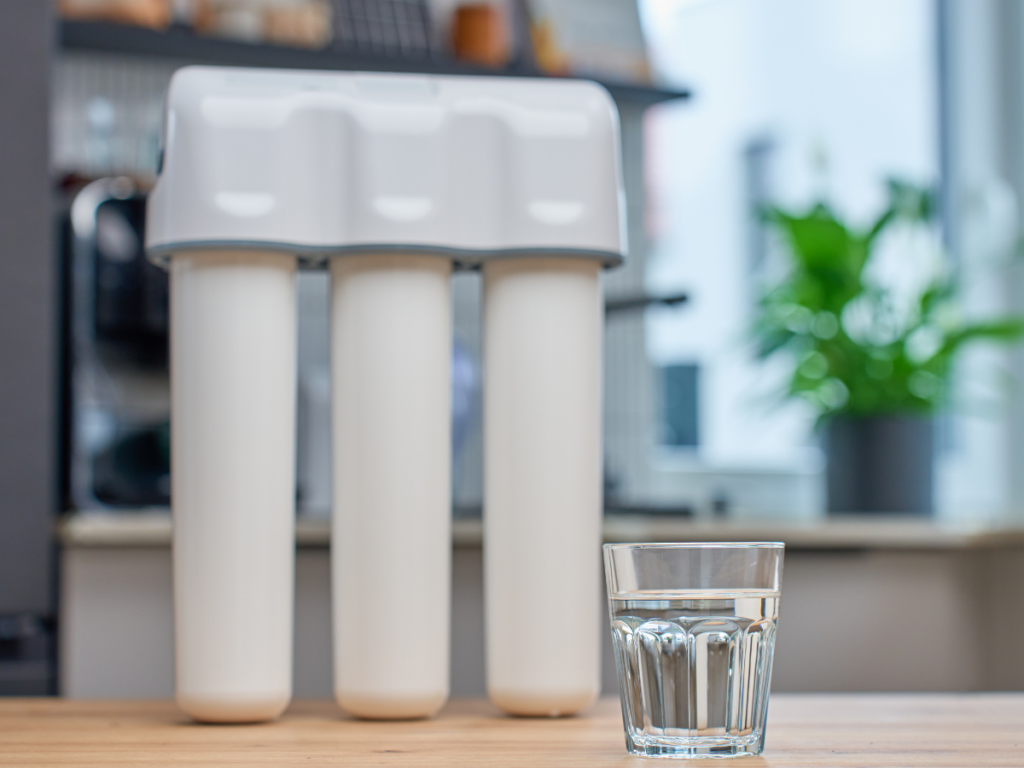
Water filtration and treatment systems can play an important role in improving water quality when rust or discoloration becomes a recurring issue.
While filtration alone may not completely solve severe plumbing corrosion, the right system can reduce visible rust particles, improve taste and odor, and help protect plumbing fixtures and appliances from ongoing buildup.
Homeowners dealing with rust in pipes often notice reddish water stains, metallic-tasting water, or sediment collecting around faucets and drains. In many cases, filtration systems are used alongside plumbing repairs or pipe replacement to create a more complete long-term solution.
The most effective treatment option depends on the source of the problem, the severity of the corrosion, and the overall condition of the home’s plumbing system.
How Do Different Filtration Systems Compare For Rust Removal?
Different water filtration systems target different types of contaminants, which is why understanding how each option works is important when addressing rust-related issues.
Activated carbon filters are one of the most common household filtration systems. These filters are effective at improving water taste and odor while capturing some sediment and rust particles. They are often installed at individual faucets or as part of refrigerator and pitcher filtration systems.
While they can improve water clarity, they may not be sufficient for homes experiencing significant rust in pipes throughout the entire plumbing system.
Reverse osmosis systems offer a more advanced level of filtration. These systems force water through a specialized membrane designed to remove very small particles and contaminants, including dissolved minerals, sediment, and certain metals.
Reverse osmosis units are commonly installed beneath kitchen sinks to provide cleaner drinking water. Although highly effective, they generally treat water at a single location rather than throughout the entire home.
Whole-house filtration systems are often the best option for widespread rust or sediment issues. These systems filter all incoming water before it enters the plumbing network, helping reduce discoloration in showers, sinks, washing machines, and appliances.
Depending on the design, whole-house systems may include sediment filters, iron filters, carbon filtration, or multiple stages of treatment.
For homeowners experiencing persistent rust in pipes, whole-house filtration systems can help minimize the visible effects of corrosion while improving overall water quality throughout the home.
Can Water Softeners Help Prevent Pipe Corrosion?
Water softeners can also contribute to corrosion prevention in certain situations. Hard water contains elevated levels of minerals like calcium and magnesium, which can create scale buildup inside pipes and plumbing fixtures over time.
This buildup may restrict water flow and create conditions that contribute to corrosion in metal pipes. A water softener removes many of these minerals before the water moves through the plumbing system.
Softer water can reduce stress on pipes, water heaters, and appliances while minimizing mineral deposits that trap moisture and accelerate deterioration.
Although water softeners do not directly remove rust already present in the system, they can help slow future damage by creating more balanced water conditions. Homes with hard water often see improvements in plumbing efficiency, appliance lifespan, and water clarity after installing a softening system.
However, water softeners are most effective when combined with proper plumbing maintenance. If rust in pipes is already severe due to aging galvanized steel or extensive corrosion, softening the water alone may not fully resolve the issue.
Choosing The Right Solution For Your Home
Selecting the right filtration or treatment system depends on several factors, including water quality, plumbing age, and the source of discoloration. Some homes may only require localized drinking water filtration, while others benefit from full-house treatment systems combined with plumbing upgrades.
Professional water testing can help identify whether rust particles, iron content, mineral buildup, or other contaminants are contributing to the problem. This information allows homeowners to choose treatment systems that specifically target their water conditions instead of relying on temporary fixes.
Addressing rust in pipes often requires both treatment and prevention. Filtration systems can improve day-to-day water quality, while plumbing maintenance and corrosion prevention strategies help reduce the likelihood of future damage.
By combining effective filtration with long-term plumbing care, homeowners can create cleaner, clearer water conditions while protecting their plumbing systems from ongoing corrosion problems.
What Are Common Concerns Homeowners Have About Rusty Water And Pipe Corrosion?
Rusty water can be alarming for homeowners, especially when it suddenly appears in sinks, tubs, or drinking water. In many cases, discoloration is linked to aging plumbing, mineral buildup, or corrosion inside metal pipes.
Understanding the early warning signs and knowing when to act can help prevent more serious plumbing damage over time. Because rust in pipes often develops gradually, many homeowners overlook the issue until water quality noticeably changes.
Addressing concerns early can reduce repair costs, improve water safety, and help extend the lifespan of a home’s plumbing system.
How To Identify Signs Of Pipe Corrosion Early?
One of the earliest indicators of pipe corrosion is discolored water. Water that appears reddish, orange, or brown may suggest rust buildup inside galvanized steel or iron pipes.
In some homes, the discoloration only appears when turning on the faucet after water has been sitting in the pipes for several hours. In other cases, the issue may become more consistent as corrosion worsens.
Changes in water odor can also point to developing plumbing issues. A metallic smell or unusual taste may indicate rust particles or deteriorating pipe material entering the water supply.
While the odor itself may not always signal a health emergency, it often suggests that the plumbing system should be inspected more closely.
Visible staining is another common warning sign. Rust-colored marks around sinks, bathtubs, toilets, or washing machines may indicate ongoing rust in pipes somewhere within the home’s plumbing network. These stains can become increasingly difficult to clean if the underlying issue is not addressed.
Some homeowners also notice reduced water pressure. Corrosion and mineral buildup can narrow the inside diameter of pipes, restricting water flow over time. If weak water pressure appears alongside discoloration or staining, pipe corrosion may be contributing to the problem.
In older homes, recurring leaks can also signal pipe deterioration. As corrosion weakens pipe walls, small pinhole leaks may begin to form. Catching these issues early can help prevent larger plumbing failures and water damage later on.
What Are Quick Fixes For Rusty Water Issues?
In some situations, simple steps can temporarily improve water clarity while homeowners investigate the root cause of the problem.
Flushing the plumbing system is often the first thing homeowners try. Running cold water for several minutes may help clear loose rust particles that have settled inside the pipes. This can sometimes improve water appearance temporarily, especially after periods of low water use or municipal water line maintenance.
Installing a water filter can also provide short-term relief. Faucet filters, pitcher filters, and whole-house filtration systems may reduce visible sediment and improve taste and odor. While filters do not repair damaged plumbing, they can help minimize the effects of rust in pipes while longer-term solutions are considered.
Checking the water heater is another important step. In some homes, rusty hot water may point to corrosion inside the water heater tank rather than the home’s plumbing lines. Sediment buildup or a failing anode rod can contribute to discoloration, particularly in older systems.
If the issue continues, consulting a licensed plumber is usually the best next step. Persistent rusty water often requires a professional inspection to determine whether pipe replacement, corrosion treatment, or water quality adjustments are necessary.
A plumber can also identify whether the problem is isolated to a single fixture or affecting the entire plumbing system.
When Rust Problems Should Not Be Ignored
Occasional discoloration may not always indicate severe plumbing failure, but recurring rusty water should not be dismissed. Over time, corrosion can weaken pipes, damage appliances, and reduce overall water quality throughout the home.
Addressing rust in pipes early allows homeowners to explore less invasive solutions before major repairs become necessary.
Whether the issue involves aging galvanized pipes, mineral-heavy water, or corrosion inside a water heater, identifying the source quickly can help protect both the plumbing system and the home’s water supply.
How To Monitor And Maintain Rust-Free Water Pipes Over Time
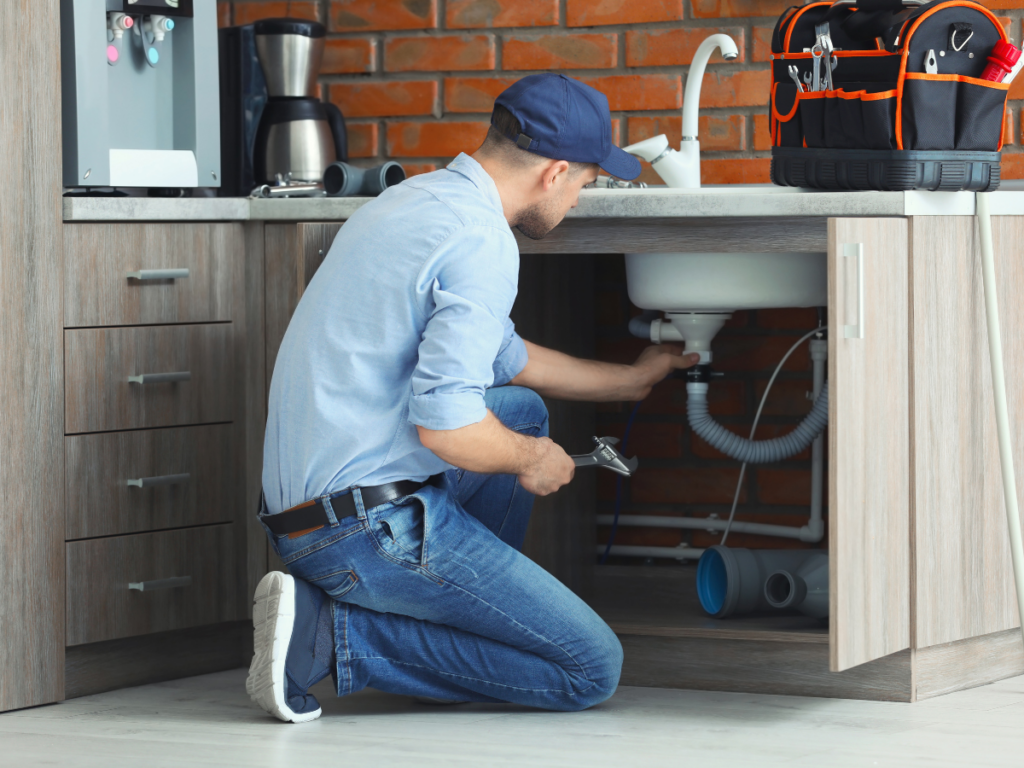
Preventing rust in pipes is not a one-time fix. Even after corrosion issues are addressed, ongoing maintenance is important for protecting water quality and extending the life of a home’s plumbing system.
Small changes in water color, pressure, or taste can develop gradually, so homeowners benefit from monitoring their plumbing regularly instead of waiting for visible problems to appear.
Consistent inspections and basic water quality tracking can help identify early warning signs before corrosion leads to leaks, pipe damage, or costly repairs. With the right tools and maintenance habits, homeowners can keep plumbing systems in better condition for the long term.
What Tools And Indicators Help Track Rust-Related Water Quality?
Several simple tools can help homeowners monitor changes that may point to rust in pipes or developing corrosion issues.
Water testing kits are one of the most practical options for routine monitoring. These kits can measure iron levels, pH balance, hardness, and other water quality factors that contribute to pipe corrosion.
If test results begin to change over time, it may indicate that plumbing materials are deteriorating or mineral buildup is increasing inside the pipes.
pH meters are also useful because acidic water can accelerate corrosion in metal plumbing systems. Water with a low pH tends to wear down pipe interiors more quickly, especially in older galvanized steel or iron pipes.
Monitoring pH levels periodically allows homeowners to spot conditions that may increase the risk of rust formation. Flow meters and water pressure monitoring can provide additional insight into pipe condition.
A noticeable drop in water pressure may signal mineral deposits, corrosion buildup, or narrowing pipes caused by long-term rust accumulation. While low pressure can have several causes, it is often one of the earliest signs that plumbing maintenance may be needed.
Some homeowners also track recurring visual indicators. Discolored water, rust stains around fixtures, or sediment buildup in faucet aerators can all suggest that rust in pipes is becoming more severe. Paying attention to these smaller warning signs can help prevent larger plumbing failures later.
How Can Visual Tracking Help Identify Plumbing Problems Early?
Keeping a simple maintenance record can make it easier to identify patterns that might otherwise go unnoticed. Homeowners who document water quality issues, plumbing repairs, or pressure changes over time often have an easier time recognizing gradual deterioration.
For example, creating a basic chart of water test results every few months can help track whether iron levels or acidity are increasing. This kind of structured monitoring is especially helpful in older homes where corrosion may develop slowly over several years.
Photographs can also serve as useful reference points. Taking occasional pictures of exposed pipes, water heater connections, or areas with previous rust staining allows homeowners to compare changes over time.
Small patches of corrosion or moisture may expand gradually, and visual records can help determine whether conditions are worsening. Regular visual inspections around sinks, basements, crawl spaces, and utility rooms are equally important.
Corrosion often begins in hidden or low-traffic areas where small leaks or condensation problems go unnoticed. Spotting rust early may allow for targeted repairs before pipe replacement becomes necessary.
Why Preventative Monitoring Matters For Long-Term Plumbing Health
Many homeowners only address plumbing issues after rusty water becomes obvious, but preventative monitoring can significantly reduce long-term repair costs. Catching corrosion early may prevent pipe bursts, water damage, and contamination concerns that become more expensive over time.
Ongoing maintenance also helps preserve appliances connected to the plumbing system. Water heaters, dishwashers, washing machines, and filtration systems can all be affected by rust particles and mineral buildup caused by deteriorating pipes.
By combining regular inspections, water quality testing, and basic recordkeeping, homeowners can better manage rust in pipes before it turns into a larger plumbing problem. A proactive approach not only improves water quality but also helps extend the lifespan of the entire plumbing system.
Where Can You Find Reliable Resources And Updates On Pipe Corrosion?
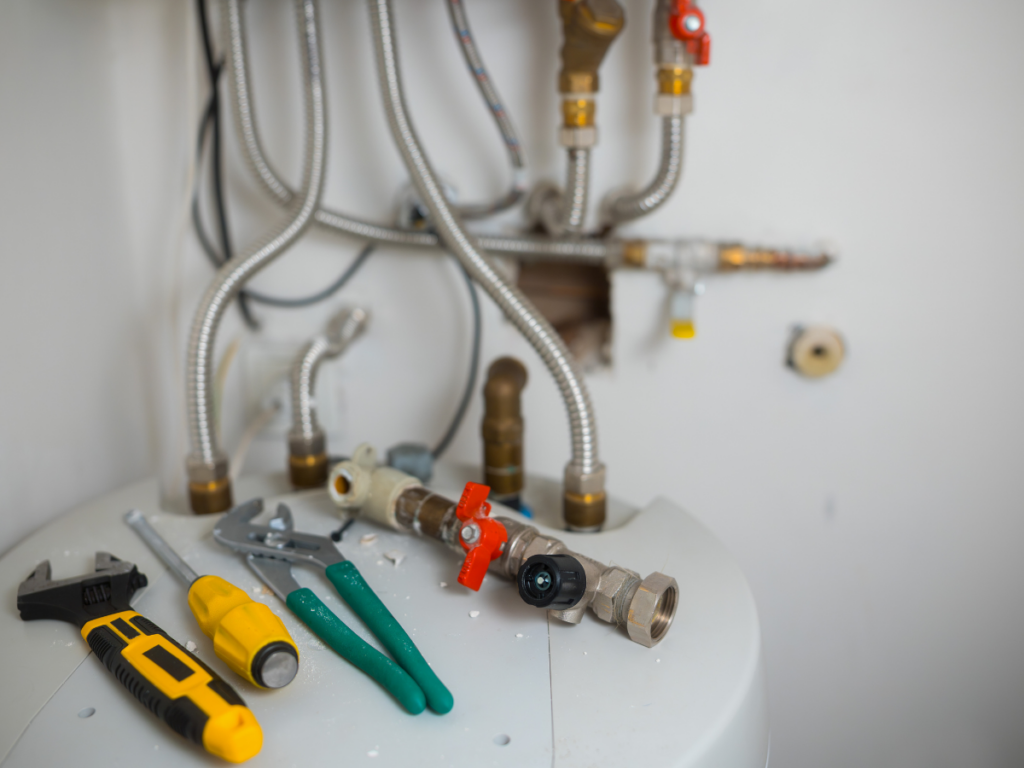
Keeping up with the latest information about plumbing corrosion can help homeowners make better decisions about maintenance, water quality, and long-term pipe replacement.
Because rust in pipes develops gradually and can be influenced by water chemistry, infrastructure age, and environmental conditions, reliable information is essential for identifying problems early and choosing the right solutions.
Fortunately, there are several trusted organizations, industry publications, and monitoring tools that provide updated research and practical guidance related to pipe corrosion and water safety.
Which Industry Reports And Journals Provide The Latest Corrosion Data?
Professional organizations and research publications regularly release studies focused on corrosion prevention, water treatment, and plumbing system performance.
These resources are often used by engineers, municipal water providers, and plumbing professionals to stay informed about emerging issues and new technologies.
One widely respected source is the “Corrosion Science” journal, which publishes research on corrosion mechanisms, protective coatings, pipe materials, and prevention strategies.
While the content can be technical, it offers valuable insight into how rust forms and how different materials respond to long-term water exposure.
The American Water Works Association also provides reports and educational resources related to water infrastructure and distribution systems.
Their publications often focus on water quality standards, aging pipelines, and maintenance practices that reduce corrosion risks in residential and commercial plumbing systems.
Homeowners looking for more practical guidance may also benefit from resources provided by the Water Quality Association. This organization shares information about water treatment technologies, filtration systems, and testing standards that can help reduce rust in pipes and improve household water quality.
In addition to national organizations, many local water utilities publish annual water quality reports. These reports can help homeowners understand mineral content, pH levels, and other factors that may contribute to pipe corrosion in their specific area.
How Can Homeowners Stay Updated On Water Quality Changes?
Monitoring water quality over time is one of the best ways to catch potential corrosion issues early. Homeowners do not need advanced equipment to stay informed, but adopting a few proactive habits can make a significant difference.
Smart home water monitoring systems have become increasingly popular in recent years. Some systems can track water usage, pressure changes, moisture levels, and leak detection in real time. More advanced models may also identify unusual flow patterns that could indicate pipe deterioration or hidden plumbing issues.
Water testing kits are another useful tool for ongoing monitoring. Periodic testing can reveal changes in iron levels, acidity, hardness, or sediment that may signal developing rust in pipes. Comparing results over time helps homeowners identify trends before visible plumbing damage occurs.
Signing up for local utility alerts can also provide important updates. Municipal water providers sometimes issue notices about infrastructure repairs, water main flushing, or temporary discoloration events that may affect household water quality.
Staying informed about these activities can help homeowners distinguish between temporary issues and problems within their own plumbing systems.
Some homeowners also choose to schedule routine plumbing inspections, especially in older homes with galvanized steel or iron piping. Professional inspections can identify corrosion in areas that are not easily visible and help prioritize preventative repairs before leaks or pipe failures occur.
Why Ongoing Education Matters For Preventing Rust In Pipes
Pipe corrosion is often easier to manage when homeowners understand the factors that contribute to it. Water chemistry, pipe age, environmental conditions, and maintenance habits all play a role in how quickly corrosion develops.
Learning about rust in pipes through trusted resources allows homeowners to make more informed decisions about filtration systems, pipe upgrades, and preventative maintenance strategies.
Staying updated on new technologies and water quality trends can also help reduce long-term repair costs and improve the reliability of a home’s plumbing system.
Conclusion
Rust in your home’s water pipes can lead to discolored water, reduced water pressure, unpleasant odors, and long-term plumbing damage if left untreated.
Identifying the source of corrosion early and working with experienced plumbing professionals can help protect your pipes, improve water quality, and prevent more expensive repairs down the road.
Whether you need pipe inspections, rust removal solutions, or full plumbing replacements, choosing the right team makes all the difference. For dependable plumbing services and expert solutions, trust JW Plumbing Pros.
Ready to restore your plumbing system and improve your home’s water quality? Call 770-635-5159 or request your free quote today.