




A slow-draining kitchen sink is often the first sign of a clog forming beneath the surface. Left untreated, grease, food scraps, soap residue, and other debris can build up inside your pipes, leading to unpleasant odors, standing water, and costly plumbing repairs.
Fortunately, most drain problems are preventable with the right maintenance habits.
This kitchen drain clog and cleaning guide covers the essential steps for keeping your drains flowing freely. You’ll learn what commonly causes blockages, how to clean your kitchen drain safely, and which everyday practices help prevent future clogs.
Whether you’re dealing with a minor slowdown or looking to avoid plumbing issues altogether, a proactive approach can save time, money, and frustration while helping your kitchen plumbing perform reliably year-round.
Safe Cleaning Tips for a Kitchen Drain Clog
Kitchen Drain Cleaning Basics

A slow-draining sink might seem like a minor inconvenience at first, but it can quickly develop into a stubborn kitchen drain clog if it’s ignored. Grease, soap residue, food scraps, and other debris gradually build up inside the pipes, restricting water flow and making it harder for your plumbing system to work efficiently.
Regular drain maintenance helps prevent these problems before they become more serious, reducing the likelihood of unpleasant odors, standing water, or costly repairs.
Comprehensive Guide to Kitchen Sink Drain Cleaning and Clog Removal
Keeping your kitchen sink drain clean is one of the simplest ways to maintain a healthy plumbing system.
Everyday cooking and cleaning introduce small amounts of grease, oils, food particles, coffee grounds, and soap residue into the drain. While these materials may seem harmless on their own, they can gradually collect inside the pipes and create a kitchen drain clog over time.
Routine cleaning helps remove this buildup before it restricts water flow. Homeowners often find that simple maintenance, such as flushing the drain with hot water after washing dishes or occasionally using a safe cleaning solution, can keep minor deposits from turning into major blockages.
It’s also a good idea to scrape food scraps into the trash or compost instead of rinsing them into the sink, even if you have a garbage disposal.
When a clog does develop, the right solution depends on its severity. Minor blockages near the drain opening can often be cleared using a plunger or a drain snake, while deeper or more persistent obstructions may require professional equipment to fully remove the buildup without damaging the pipes.
Chemical drain cleaners may seem like a quick fix, but repeated use can be harsh on certain plumbing materials and may not completely eliminate the source of the clog.
Paying attention to early warning signs can also help prevent larger plumbing issues. Slow drainage, gurgling noises, recurring odors, or water backing up in the sink often indicate that debris is beginning to accumulate inside the drain.
Addressing these symptoms early is usually much easier and less expensive than waiting until the drain becomes completely blocked.
Whether you prefer basic DIY maintenance or occasionally rely on professional drain cleaning services, consistency is the key to preventing future problems.
Regular care helps keep water flowing freely, extends the life of your plumbing system, and reduces the chances of dealing with an unexpected kitchen drain clog at the worst possible time.
Common Causes of Kitchen Sink Clogs
Most drain problems don’t happen overnight. A kitchen drain clog usually develops gradually as grease, food scraps, soap residue, and other materials collect inside the pipes.
Understanding what causes these blockages is one of the best ways to prevent them. Small changes in everyday kitchen habits can go a long way toward keeping your sink draining properly and reducing the risk of expensive plumbing repairs.
What Are the Most Common Causes of a Kitchen Drain Clog?
Several everyday materials contribute to clogged kitchen drains, but some are more problematic than others. Food waste is one of the biggest culprits. While small particles may seem harmless, they can settle inside the pipes and gradually accumulate, especially when combined with grease or soap residue.
Cooking oils and grease are another leading cause. Even when they’re poured down the drain in liquid form, they cool as they move through the plumbing system and begin to harden. Over time, these sticky deposits trap food particles and create a stubborn kitchen drain clog that restricts water flow.
In homes with hard water, mineral deposits can also build up along the inside of the pipes. As these deposits accumulate, they reduce the diameter of the drain, making it easier for grease and debris to become trapped.
Although mineral buildup develops more slowly than grease clogs, it can contribute to recurring drainage problems if left untreated.
How Does Grease Buildup Affect Kitchen Drains?
Grease is one of the most damaging substances that can enter a kitchen drain. Many people assume that rinsing it away with hot water is enough, but once grease cools inside the plumbing system, it begins to solidify and cling to the pipe walls.
As the layer thickens, it narrows the passage available for water to flow through. Food scraps, coffee grounds, and soap residue can then stick to the grease, creating a blockage that becomes increasingly difficult to remove.
Eventually, homeowners may notice slow drainage, unpleasant odors, or water backing up into the sink.
Preventing grease buildup is much easier than removing it. Allow cooking grease to cool before disposing of it in the trash, and wipe greasy pans with a paper towel before washing them.
Routine maintenance, such as periodically flushing the drain with hot water and using enzyme-based drain cleaners, may also help reduce organic buildup without damaging the plumbing.
How Do Food Particles and Debris Lead to Pipe Blockages?
Food waste is another common contributor to kitchen drain problems, particularly when large or fibrous scraps are washed into the sink. While garbage disposals can process many types of food waste, they do not eliminate the risk of clogged pipes farther down the drain.
Fibrous vegetables such as celery, corn husks, onion skins, and potato peels are especially troublesome because they can wrap together and catch on rough surfaces inside the plumbing.
Rice, pasta, and starchy foods can expand after absorbing water, while coffee grounds tend to settle in low spots and combine with grease to form dense blockages.
The simplest way to prevent these issues is to scrape leftover food into the trash or compost before rinsing dishes. Using a sink strainer can also help catch larger debris before it enters the drain.
By understanding how grease, food waste, and mineral deposits contribute to a kitchen drain clog, homeowners can adopt better kitchen habits that keep their plumbing flowing smoothly. Preventive maintenance is often far easier and less expensive than dealing with a completely blocked drain.
Kitchen Drain Cleaning Methods
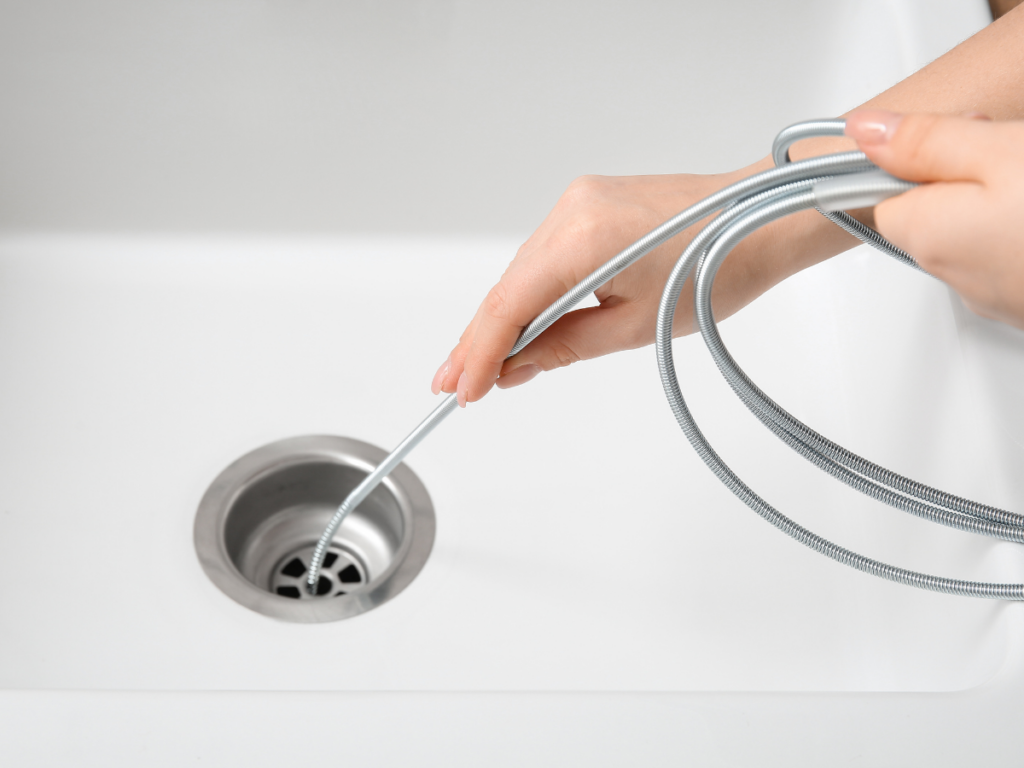
Regular maintenance is the most effective way to prevent a kitchen drain clog from becoming a major plumbing problem.
While no single cleaning method works for every situation, combining preventive care with the appropriate cleaning techniques can keep your drain flowing freely and reduce the need for emergency repairs.
Whether you’re performing routine maintenance or dealing with a slow drain, knowing which methods to use and when to use them makes all the difference.
Effective Maintenance Techniques for a Healthy Kitchen Drain
Preventing a kitchen drain clog starts with consistent maintenance rather than waiting until water stops draining altogether. One of the simplest habits is flushing the drain with hot water on a regular basis. This helps wash away small amounts of grease before they have a chance to harden inside the pipes.
Enzyme-based drain cleaners are another useful maintenance tool. Unlike harsh chemical cleaners, these products use natural enzymes to break down organic material such as food residue and grease over time. They’re especially effective when used regularly as part of a preventive maintenance routine.
It’s also worth inspecting the drain opening periodically and removing any visible debris before it moves farther into the plumbing system. Small maintenance tasks performed consistently are often enough to prevent larger blockages from developing.
Which Cleaning Methods Work Best?
The right cleaning method depends on the type and severity of the blockage. For routine maintenance or minor buildup, a mixture of baking soda followed by vinegar can help loosen residue while reducing unpleasant odors. Flushing the drain with hot water afterward helps wash away loosened debris.
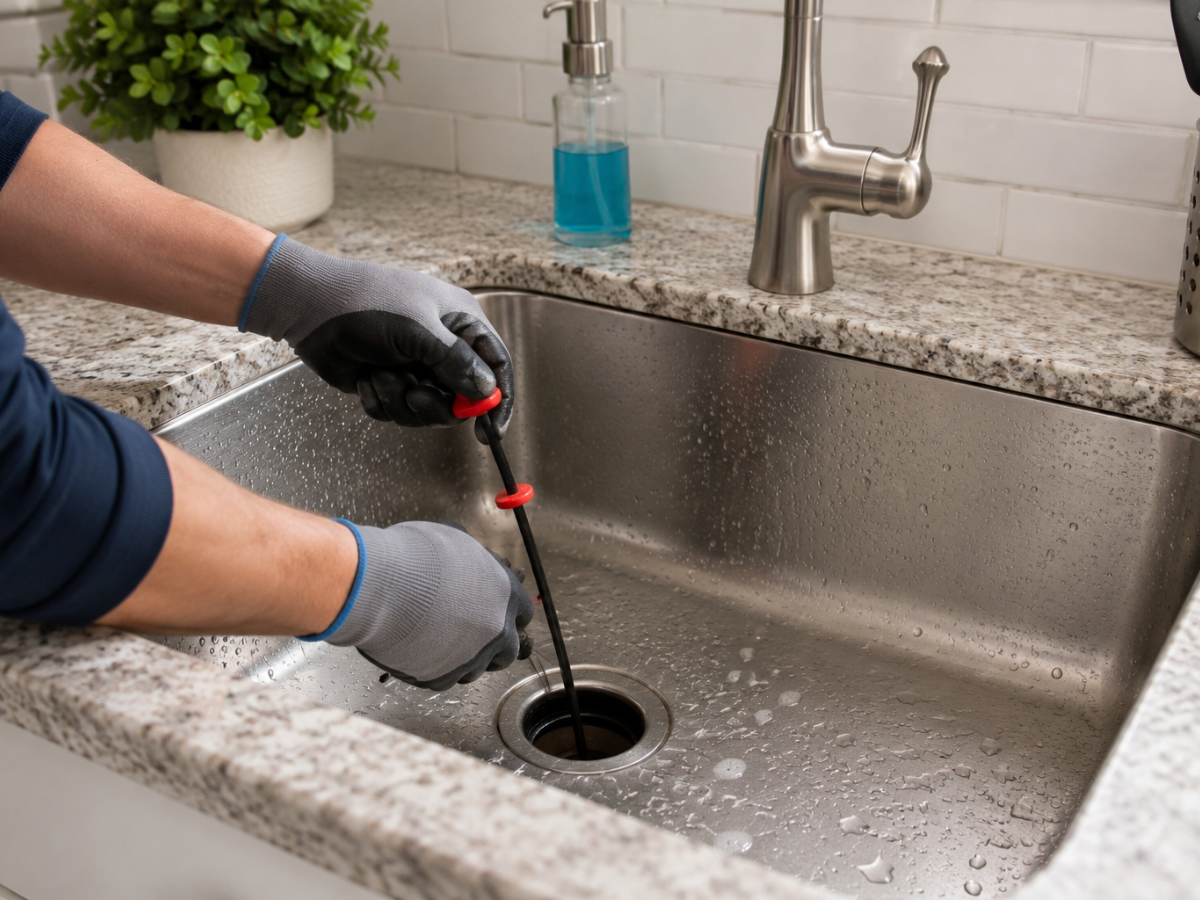
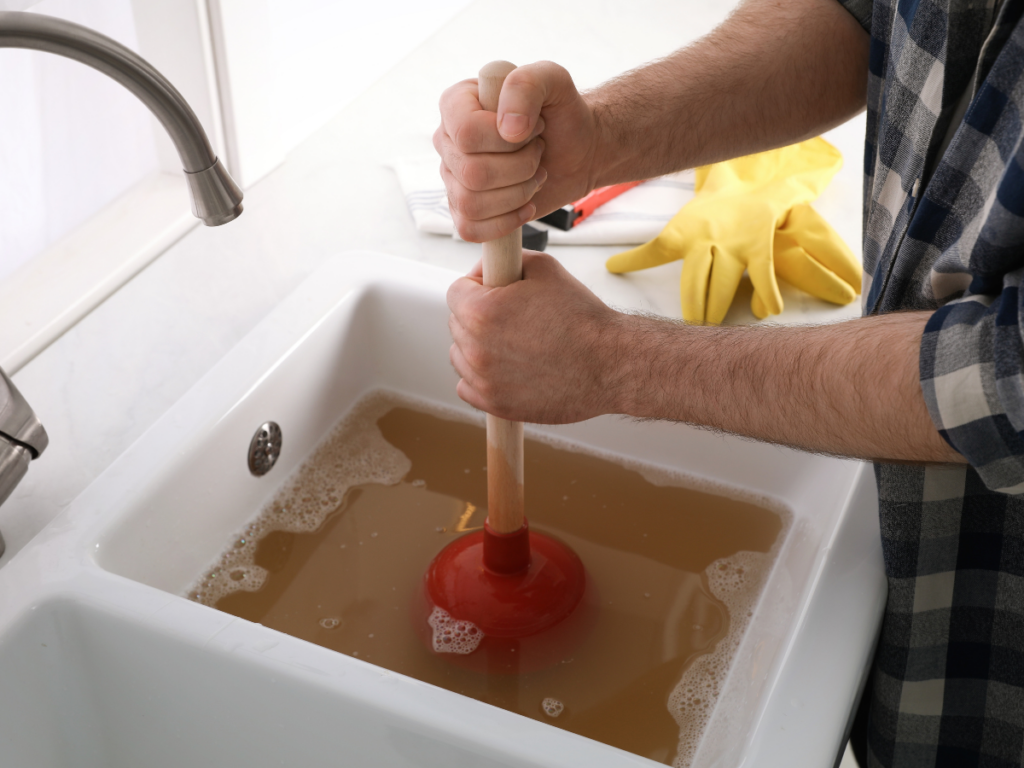
For drains that are beginning to slow, a sink plunger may provide enough pressure to dislodge a developing clog. If the blockage is located deeper in the pipe, a plumber’s snake or hand auger can often remove the obstruction without the need for chemical products.
Enzyme-based cleaners remain one of the best options for long-term maintenance because they gradually break down organic buildup without damaging most plumbing systems. While these products work more slowly than chemical drain cleaners, they’re generally a better choice for routine use.
How to Use Drain Cleaning Products Safely
Whether you choose natural cleaning methods or commercial products, safety should always come first. Natural solutions such as baking soda and vinegar are suitable for routine maintenance and are less likely to affect your plumbing or the environment.
Chemical drain cleaners can sometimes help with stubborn blockages, but they should be used carefully and only according to the manufacturer’s instructions.
Wearing gloves and eye protection is recommended, as these products can irritate the skin and eyes. Mixing different chemical cleaners should always be avoided because dangerous reactions can occur.
If repeated applications of drain cleaners fail to clear the blockage, it’s usually a sign that the problem extends deeper into the plumbing system and requires a different solution.
Step-by-Step Cleaning and Clog Removal
When dealing with a slow drain or a developing kitchen drain clog, begin by removing any visible food particles or debris from the sink and drain opening. If water is draining slowly, try using a plunger to loosen the blockage before moving on to more advanced methods.
If the clog remains, use a drain snake to reach deeper into the pipe and pull out or break apart the obstruction. Once the drain begins flowing normally again, flush it thoroughly with hot water to remove any remaining residue.
After clearing the blockage, using an enzyme-based cleaner can help reduce future buildup and keep the pipes cleaner over time.
If water continues to back up despite these efforts, or if multiple drains throughout the home begin draining slowly, the problem may lie farther down the plumbing system.
In those situations, professional drain cleaning equipment is often the safest and most effective solution. Acting early when you notice signs of a kitchen drain clog can help prevent more extensive plumbing problems and keep your kitchen functioning smoothly.
Preventing Kitchen Drain Clogs
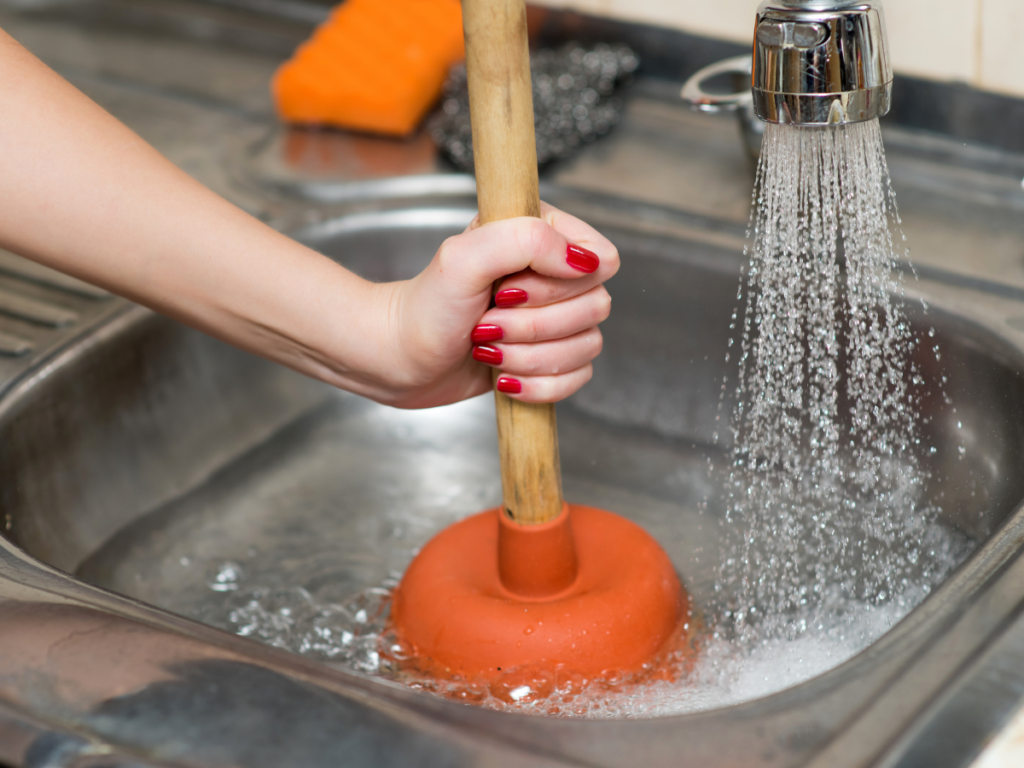
The easiest way to deal with a kitchen drain clog is to stop it from forming in the first place. Most drain blockages develop slowly as grease, food scraps, and other debris build up inside the pipes over weeks or months.
Fortunately, a few simple habits and routine maintenance practices can dramatically reduce the risk of clogs while helping your plumbing system perform efficiently for years.
Preventative Maintenance That Keeps Drains Flowing
Routine maintenance doesn’t have to be complicated. Small, consistent efforts are often enough to prevent buildup before it becomes a problem. Flushing your kitchen drain with hot water every week helps remove light grease deposits before they harden along the inside of the pipes.
Many homeowners also use enzyme-based drain cleaners as part of their maintenance routine. These products gradually break down organic material such as grease and food residue without the harsh chemicals found in some commercial drain cleaners.
Used regularly, they can help reduce buildup and lower the chances of developing a kitchen drain clog.
It’s also a good idea to pay attention to early warning signs. Slow drainage, gurgling sounds, or unpleasant odors often indicate that debris is beginning to accumulate inside the pipes. Addressing these symptoms early is much easier than dealing with a complete blockage later.
Everyday Habits That Prevent Sink Pipe Blockages
Daily kitchen habits play a major role in keeping drains clear. One of the most effective practices is disposing of food waste properly before washing dishes.
Scraping plates into the trash or compost bin prevents larger food particles from entering the plumbing system, where they can combine with grease and create stubborn clogs.
Grease disposal is equally important. Cooking oils, bacon grease, and melted fats should never be poured directly down the drain. Although they may appear liquid at first, they cool quickly inside the pipes and begin collecting other debris. Instead, allow grease to cool in a container before throwing it away.
Installing a sink strainer provides another simple layer of protection. These inexpensive devices catch food scraps, coffee grounds, and other debris before they enter the drain, making it much easier to keep the plumbing system clear.
Even households with garbage disposals should be selective about what goes into the sink. Fibrous vegetables, eggshells, coffee grounds, pasta, rice, and large amounts of starchy foods can all contribute to drain problems over time.
Build a Long-Term Drain Maintenance Routine
Preventing plumbing problems is often less about major cleanings and more about creating consistent routines. Scheduling occasional drain inspections, cleaning sink strainers regularly, and using preventive cleaning methods throughout the year can significantly reduce the likelihood of unexpected blockages.
If your home has older plumbing or you’ve experienced recurring drain issues in the past, periodic professional drain cleaning may also be worthwhile. Removing accumulated grease and residue before it causes serious restrictions helps extend the life of your plumbing system and improves drainage throughout the kitchen.
Ultimately, preventing a kitchen drain clog comes down to combining smart disposal habits with routine maintenance.
By keeping grease, food waste, and debris out of your pipes and addressing minor issues before they become major ones, you can enjoy a kitchen sink that drains efficiently while avoiding the inconvenience and expense of emergency plumbing repairs.
Grease Trap Maintenance
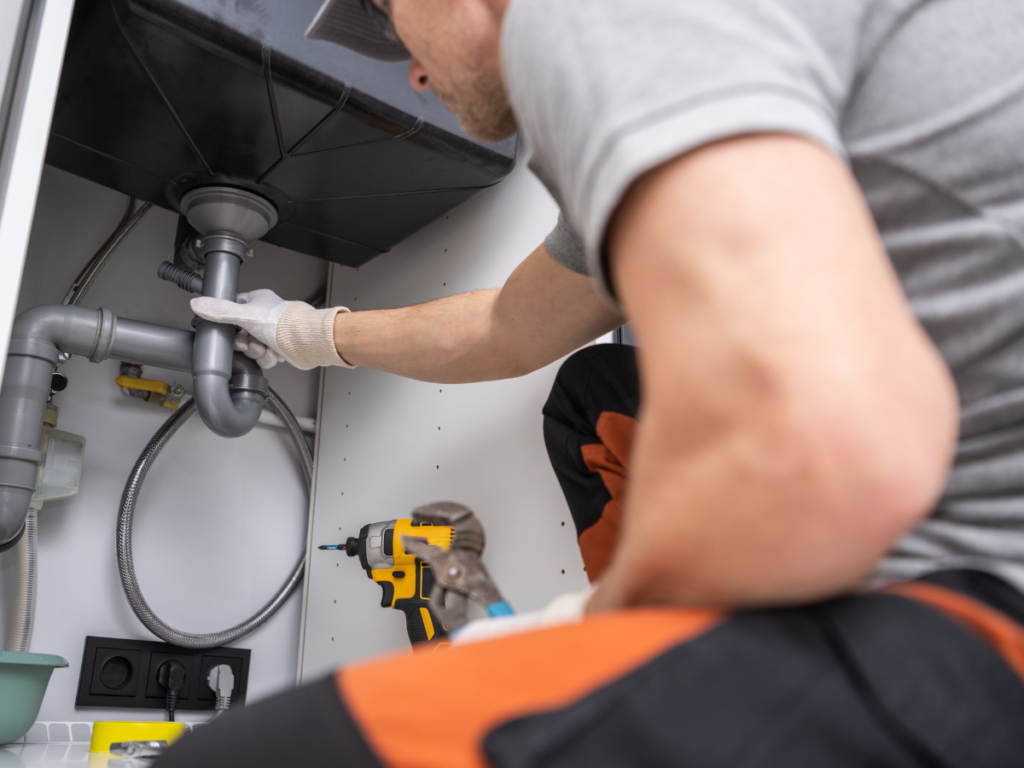
A kitchen drain clog often starts long before water begins backing up in the sink. One of the biggest contributors is grease, which gradually accumulates inside plumbing systems over time.
In kitchens equipped with grease traps, routine maintenance is one of the most effective ways to keep drains flowing freely while protecting both residential and commercial plumbing from costly blockages.
How Is Grease Trap Maintenance Essential for Commercial and Residential Kitchens?
Grease traps are designed to capture fats, oils, and grease before they enter the main drainage system. Without them, these materials can cool, harden, and stick to the inside of pipes, eventually restricting water flow and increasing the likelihood of a kitchen drain clog.
In commercial kitchens, grease traps are often required because of the high volume of cooking oils and food waste produced each day. While many homes don’t have dedicated grease traps, those that do benefit from the same protection.
A properly maintained grease trap helps extend the life of the plumbing system, reduces the risk of emergency repairs, and keeps wastewater flowing efficiently.
Why Should Grease Traps Be Cleaned Regularly?
Like any part of a plumbing system, grease traps have a limited capacity. As grease and food solids accumulate, the trap becomes less effective and may allow fats and debris to pass into the drain lines. Once this happens, blockages can develop quickly and become much more difficult to remove.
Regular cleaning prevents excessive buildup before it becomes a problem. For busy commercial kitchens, grease traps often require servicing every one to three months, although the ideal schedule depends on cooking volume and local regulations.
Residential systems typically require less frequent cleaning but should still be inspected periodically to ensure they’re functioning properly. Keeping the trap clean also helps eliminate unpleasant odors that develop when grease and food waste begin to decompose inside the unit.
What Are the Best Practices for Grease Trap Cleaning Services?
Whether you’re maintaining a residential grease trap or managing one in a commercial kitchen, consistency is the key to long-term performance. Scheduling routine inspections allows you to monitor grease levels before they interfere with drainage, while keeping maintenance records helps ensure cleanings aren’t overlooked.
Proper disposal of collected grease is equally important. Grease should never be poured back into drains or discarded in ways that violate local regulations. Instead, it should be disposed of through approved waste management methods that protect both the plumbing system and the environment.
For commercial kitchens especially, professional grease trap cleaning is often the safest and most effective option. Experienced technicians can completely remove accumulated grease, inspect the trap for wear or damage, and verify that it continues operating as intended.
Combined with good kitchen habits, regular grease trap maintenance significantly reduces the risk of a kitchen drain clog and helps keep the entire plumbing system operating efficiently.
Drain Odor Prevention and Removal
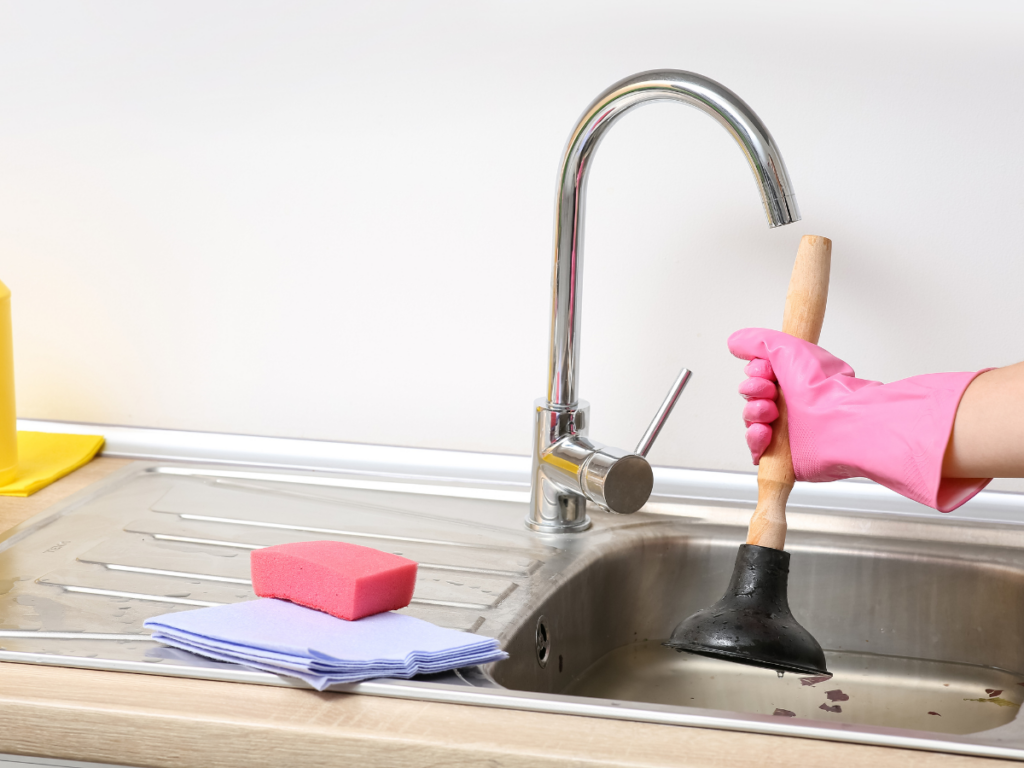
A kitchen drain clog isn’t always the first sign that something is wrong with your plumbing. In many cases, unpleasant odors appear long before water begins draining slowly.
Persistent smells usually indicate that food residue, grease, or bacteria have accumulated inside the drain, making odor prevention an important part of routine kitchen maintenance.
How to Identify and Remove Drain Odors From Kitchen Sinks?
The first step in eliminating drain odors is identifying where they’re coming from. If the smell is strongest near the drain opening, the cause is often organic material trapped inside the drain or garbage disposal.
If the odor seems to come from beneath the sink or throughout the kitchen, it may indicate a plumbing issue that requires further inspection.
For most everyday odors, a thorough cleaning is enough to restore freshness. Flushing the drain with hot water, followed by baking soda and vinegar or an enzyme-based drain cleaner, helps break down grease and food residue without damaging the pipes.
If odors persist despite cleaning, it may be time to inspect the plumbing system for deeper blockages or ventilation issues that could eventually lead to a kitchen drain clog.
What Causes Persistent Drain Odors in Kitchen Sinks?
Kitchen drains collect more than just water. Small food particles, grease, soap residue, and organic debris can cling to the inside of the pipes, creating an ideal environment for bacteria to grow. As these materials decompose, they produce the unpleasant smells commonly associated with dirty drains.
In some cases, the source isn’t inside the drain itself. A dry or damaged P-trap can allow sewer gases to enter the home, while standing water caused by partial blockages can create musty odors that worsen over time. Identifying the underlying cause is important because simply masking the smell won’t solve the problem.
Which Cleaning Techniques Effectively Eliminate Odors?
The best cleaning method depends on what’s causing the odor. For routine maintenance, hot water helps dissolve grease before it hardens inside the pipes, while baking soda and vinegar can loosen light buildup and neutralize lingering smells.
Enzyme-based cleaners are another excellent option because they use natural bacteria to break down organic material without the harsh chemicals found in some drain cleaners.
If your sink has a garbage disposal, don’t forget to clean it as well. Food trapped beneath the splash guard or inside the grinding chamber is a common source of lingering odors that many homeowners overlook.
How Can Routine Cleaning and Inspection Prevent Drain Odors?
Preventing odors is much easier than removing them after they’ve developed. Simple habits like avoiding grease disposal down the sink, using a drain strainer to catch food scraps, and flushing the drain with hot water each week can greatly reduce buildup inside the pipes.
It’s also worth paying attention to changes in how your sink drains. Slow drainage, occasional gurgling, or recurring odors often signal the beginning of a larger plumbing issue.
Addressing these warning signs early not only keeps your kitchen smelling fresh but also helps prevent a more serious kitchen drain clog from developing later.
Eco-Friendly Drain Cleaning Solutions
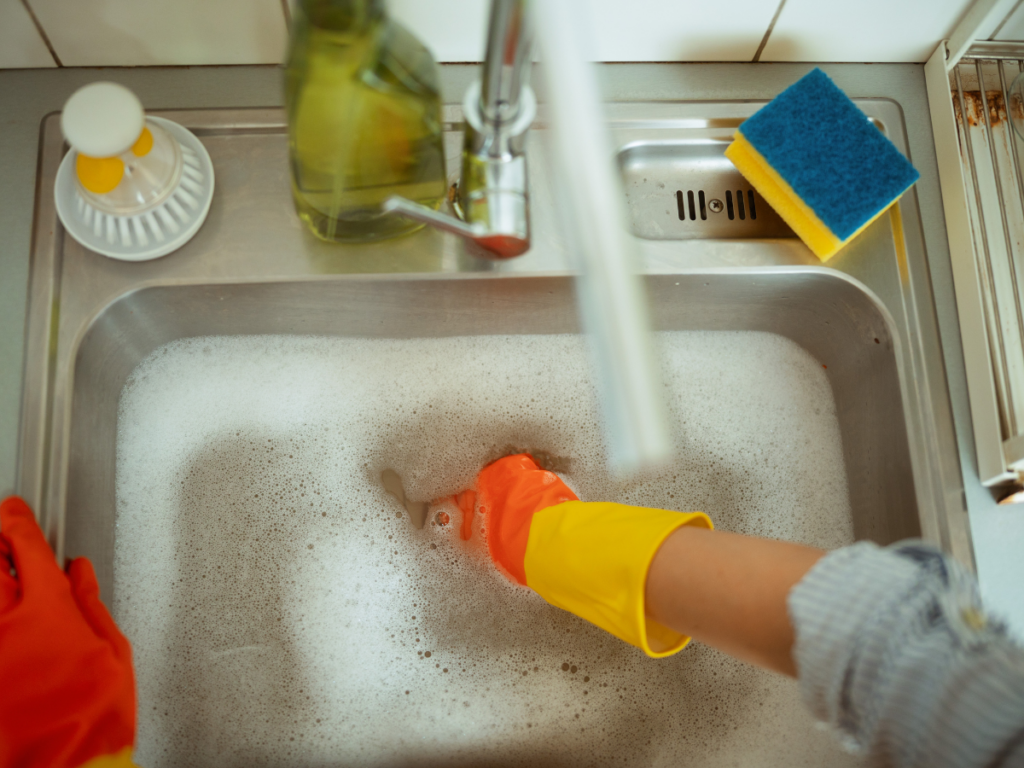
Keeping your plumbing in good condition doesn’t always require harsh chemicals. Many homeowners can prevent or clear a minor kitchen drain clog using environmentally friendly methods that are gentle on pipes while still being effective.
Eco-friendly drain care also helps reduce the amount of chemical runoff entering local water systems, making it a practical choice for both your home and the environment.
What Are Eco-Friendly Solutions for Kitchen Sink Drain Cleaning?
Natural drain cleaning methods work best as part of a regular maintenance routine or for addressing minor buildup before it becomes a serious blockage.
One of the most common approaches is using baking soda followed by vinegar, which creates a fizzing reaction that helps loosen grease, food residue, and light organic buildup inside the drain.
A weekly flush with hot water is another simple habit that can help prevent fats and oils from accumulating along the pipe walls. While it won’t clear a severe blockage, it can slow the buildup that eventually leads to a kitchen drain clog.
Enzyme-based drain cleaners are another environmentally friendly option. Unlike chemical drain openers that rely on corrosive ingredients, enzyme cleaners use naturally occurring bacteria to digest organic matter over time. They’re particularly useful for maintaining drains that experience frequent grease or food waste buildup.
These methods are generally safer for plumbing systems, septic tanks, and the environment, making them a good choice for routine drain maintenance.
Which Environmentally Safe Products Effectively Remove Grease and Clogs?
Not all drain cleaning products are created equal. Traditional chemical cleaners may provide fast results, but repeated use can damage certain types of pipes and may pose risks to the surrounding environment. Eco-friendly alternatives focus on breaking down organic material without relying on harsh chemicals.
Baking soda and vinegar remain popular because they’re inexpensive, readily available, and effective for light maintenance.
Enzyme-based cleaners are a stronger option for ongoing grease control, especially in busy kitchens where cooking oils and food particles regularly enter the drain. They continue working after application, helping reduce buildup before it becomes a major obstruction.
For stubborn or recurring blockages, however, environmentally friendly products have their limits. If water stops draining completely or the same kitchen drain clog keeps returning despite regular maintenance, the problem may be deeper within the plumbing system.
In those situations, mechanical methods such as plunging or drain snaking, or assistance from a licensed plumber, are often more effective than adding stronger cleaning products.
Choosing eco-friendly solutions whenever possible helps keep drains clean without exposing your plumbing to unnecessary chemicals.
Combined with good habits such as disposing of grease properly and using a sink strainer, these products can play an important role in maintaining a healthy, free-flowing kitchen drain over the long term.
Professional Drain Cleaning Services

While many minor drain issues can be handled with regular maintenance, some problems require professional attention. If a kitchen drain clog keeps returning, affects multiple fixtures, or causes frequent backups, it may indicate a blockage deeper within the plumbing system.
Professional drain cleaning services can identify the underlying issue and restore proper drainage before it develops into a more expensive repair.
When Should You Hire Professional Commercial Kitchen Drain Services?
Commercial kitchens place much greater demand on their plumbing systems than residential homes. Constant food preparation, grease disposal, and heavy water usage increase the likelihood of stubborn blockages that routine maintenance can’t always prevent.
Signs that it’s time to call a professional include drains that remain slow after cleaning, recurring backups, standing water in sinks, unpleasant sewer odors, or multiple drains clogging at the same time. These symptoms often point to buildup or obstructions beyond the reach of standard household tools.
Prompt service is especially important in commercial settings, where plumbing issues can disrupt operations, create sanitation concerns, and even violate local health regulations.
What Are the Advantages of Licensed Plumbers for Drain Cleaning?
Licensed plumbers bring more than experience to the job. They have specialized equipment designed to locate and remove difficult blockages without causing unnecessary damage to the plumbing system.
Tools such as motorized drain snakes, hydro jetting equipment, and drain inspection cameras allow professionals to diagnose problems accurately instead of relying on guesswork.
Professional drain cleaning also addresses the root cause rather than simply restoring temporary water flow. If grease buildup, damaged pipes, or tree root intrusion is contributing to a recurring kitchen drain clog, a licensed plumber can recommend the most appropriate long-term solution.
Many plumbing companies also inspect the overall condition of the drain system during service, helping identify potential issues before they develop into emergencies.
How Often Should Commercial Kitchens Schedule Drain and Grease Trap Cleaning?
Routine maintenance is one of the most effective ways for commercial kitchens to avoid costly plumbing disruptions. Although the ideal schedule depends on kitchen volume and local regulations, many businesses benefit from monthly drain cleaning to keep grease and food residue from accumulating inside the pipes.
Grease traps generally require cleaning every one to three months, depending on usage, while main sewer lines should be professionally inspected and serviced periodically to reduce the risk of major blockages.
Establishing a preventive maintenance schedule is far less expensive than dealing with emergency plumbing repairs or unexpected business interruptions.
For both commercial kitchens and busy households, regular professional inspections can extend the life of the plumbing system, improve drainage performance, and greatly reduce the chances of a recurring kitchen drain clog.
Drain Cleaning Tools, Products, and Technology
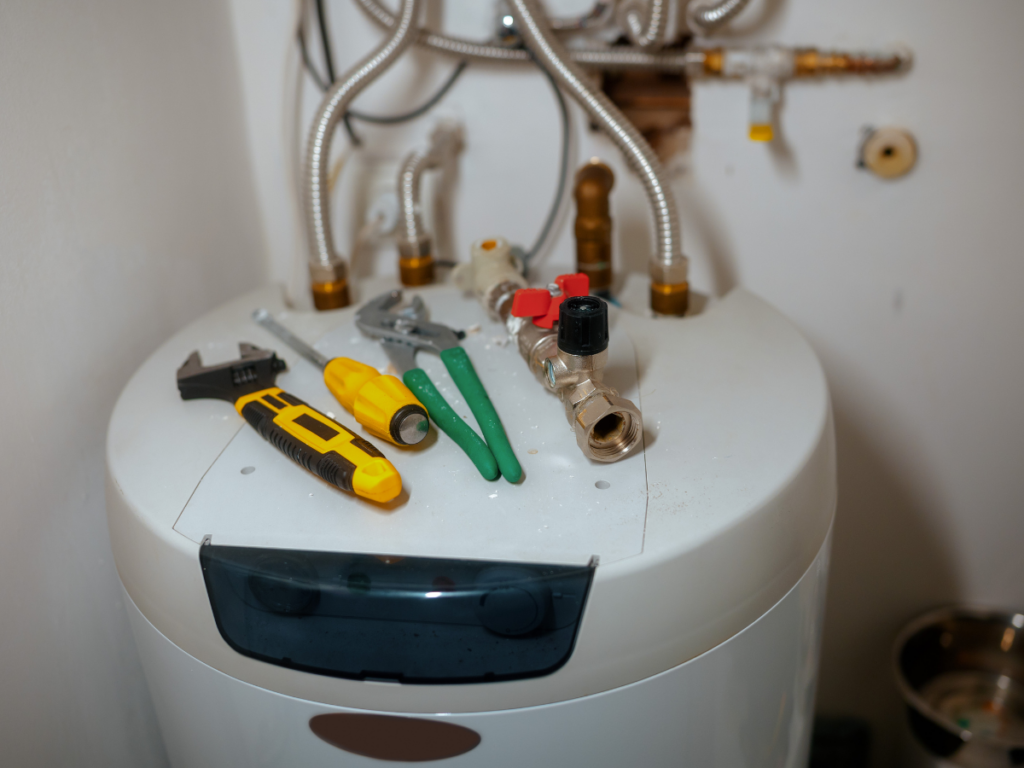
Having the right equipment can make the difference between quickly clearing a minor blockage and making the problem worse.
While many homeowners can handle routine maintenance themselves, it’s important to understand which tools are appropriate for different situations and when more advanced technology or professional equipment is needed.
Choosing the right approach can help prevent a kitchen drain clog from becoming a costly plumbing repair.
What Tools and Products Are Recommended for Effective Kitchen Drain Cleaning?
For everyday maintenance, simple household products are often all that’s needed. Hot water can help dissolve fresh grease buildup, while baking soda and vinegar provide a natural way to loosen light residue and reduce odors.
Enzyme-based drain cleaners are another popular option because they gradually break down organic material without exposing pipes to harsh chemicals.
For physical blockages, basic tools such as plungers and drain snakes are far more effective than repeatedly pouring chemicals into the drain. Using the appropriate tool for the type of clog not only improves results but also helps protect your plumbing from unnecessary wear.
Which Drain Cleaning Tools Are Best for Home Use?
Every homeowner can benefit from keeping a few basic drain cleaning tools on hand. A sink plunger is ideal for clearing shallow blockages by creating pressure that dislodges debris. For clogs located farther down the drain, a hand-operated drain snake can reach areas that plungers cannot.
A wet and dry vacuum may also be useful for removing standing water before beginning repairs or extracting loose debris from the drain. These tools are generally safe for residential plumbing and can resolve many minor issues without the need for professional assistance.
However, if the same kitchen drain clog keeps returning despite repeated cleaning, the blockage may be deeper within the system and require specialized equipment.
How Do You Choose the Right Products for Sink Pipe Cleaning?
Not every drain cleaner is suitable for every situation. Natural products are an excellent choice for routine maintenance because they’re gentle on pipes and environmentally friendly. Enzyme cleaners are especially effective for kitchens since they target the grease and food residue that commonly cause slow drains.
Chemical drain cleaners may provide faster results for certain blockages, but they should be used carefully and only according to the manufacturer’s instructions.
Frequent use of harsh chemicals can damage older pipes and may not solve the underlying cause of recurring clogs. Reading product labels and selecting cleaners specifically formulated for kitchen drains helps ensure both safety and effectiveness.
How Do Smart Drain Monitoring Technologies Enhance Maintenance?
Advances in plumbing technology are making drain maintenance more proactive than ever. Smart monitoring systems can track water flow, detect unusual drainage patterns, and alert homeowners or facility managers when a developing blockage is detected.
In commercial properties, these systems help maintenance teams identify problems before they disrupt daily operations. While smart drain monitoring is still uncommon in most homes, it’s becoming increasingly popular in restaurants, apartment buildings, and other facilities where plumbing reliability is critical.
Combined with routine inspections and preventive maintenance, modern monitoring technology provides another layer of protection against recurring kitchen drain clogs and helps extend the lifespan of the plumbing system.
Conclusion
Keeping your kitchen drains clean is an important part of preventing clogs, protecting your plumbing system, and avoiding costly repairs. Regular maintenance, proper disposal habits, and addressing slow drains early can help keep water flowing efficiently while extending the life of your pipes.
If you encounter persistent blockages or recurring drainage issues, professional plumbing services can provide the lasting solutions you need. For dependable plumbing services and expert drain care, choose JW Plumbing Pros.
If you’re dealing with a stubborn kitchen drain clog or want to keep your plumbing in top condition, call 770-635-5159 to speak with the team at JW Plumbing Pros or fill out the online form to request your free quote today.